Rwanda Turns to Sport to Polish International Image
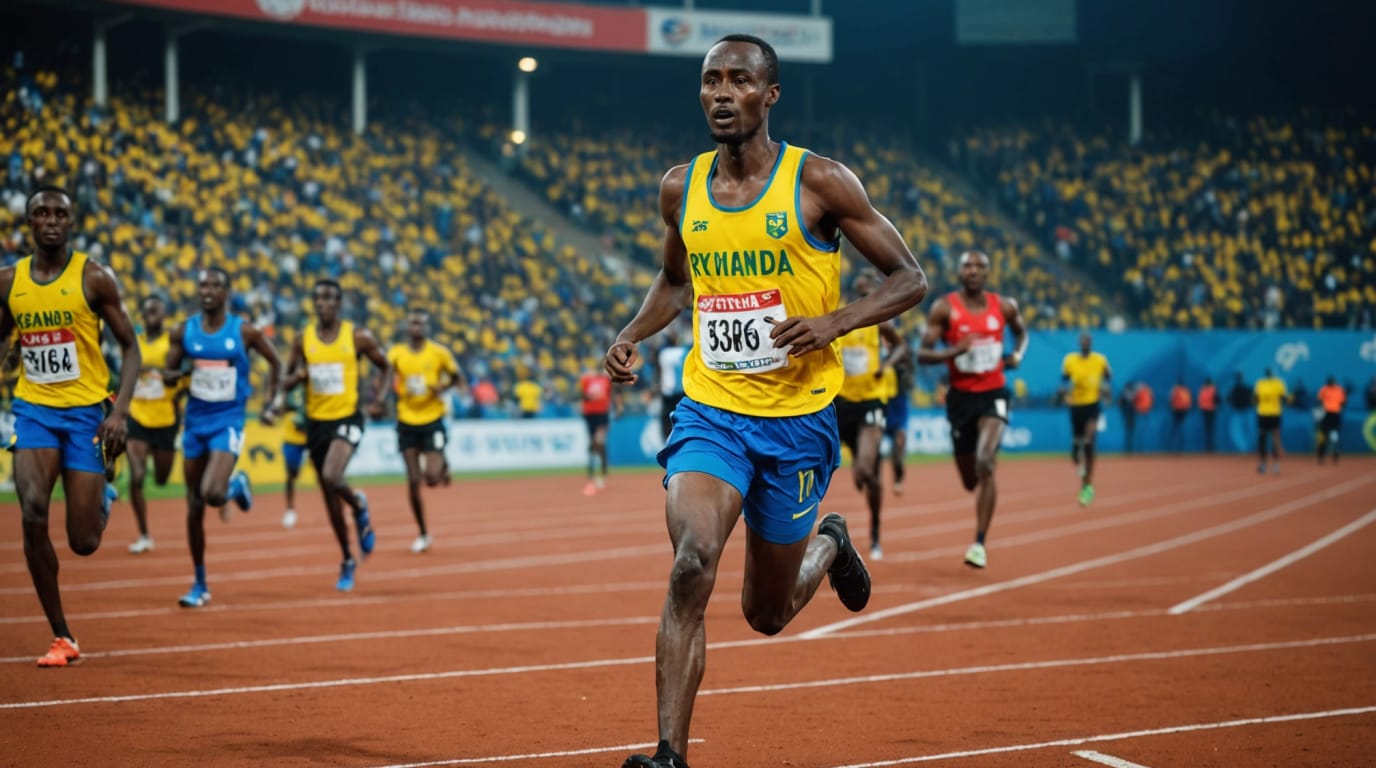
Rwanda is increasingly leveraging sports to enhance its global image and attract tourism, marking a significant shift in its public diplomacy strategy. The nation, still bearing the scars of the 1994 genocide, is actively investing in sports partnerships, hosting international events, and developing its sports infrastructure to project a positive image and stimulate economic growth. This strategy, however, faces scrutiny as critics question whether it is a genuine effort at national development or an attempt to distract from allegations of human rights abuses and involvement in regional conflicts.
"Visit Rwanda" and Premier League Partnerships
Rwanda's most prominent foray into sports diplomacy is its "Visit Rwanda" campaign, which involves partnerships with major European football clubs. In 2018, Arsenal became the first Premier League team to feature the "Visit Rwanda" logo on its sleeves, in a deal estimated to be worth millions of dollars annually. This was followed by a similar agreement with Paris Saint-Germain (PSG) in 2019. These partnerships aim to promote Rwanda as a tourist destination to a global audience, leveraging the massive reach and popularity of these clubs. The "Visit Rwanda" campaign extends beyond football, encompassing sponsorships in golf, basketball, and cycling, further amplifying its reach.
Hosting International Sporting Events
Beyond sponsorships, Rwanda is actively bidding to host international sporting events. In December 2024, President Paul Kagame announced the country's bid to host a Formula 1 Grand Prix in Kigali. While Rwanda currently lacks a homologated circuit, the ambition highlights the nation's commitment to becoming a hub for international sports. Rwanda has already successfully hosted several significant sporting events, including the African Nations Championship (CHAN) in 2016 and the African Basketball League (BAL) finals. These events not only bring economic benefits through tourism and infrastructure development but also provide a platform to showcase Rwanda's progress and stability.
Developing Sports Infrastructure
To support its ambitions in the sports sector, Rwanda is investing in developing its sports infrastructure. This includes the construction of new stadiums, training facilities, and other amenities necessary to host international events and support the development of local talent. The Kigali Arena, a state-of-the-art indoor arena, is a prime example of this investment. It has hosted major basketball tournaments and concerts, contributing to Kigali's growing reputation as a regional events hub.
Soft Power and Controversy
Rwanda's use of sports as a tool for soft power is not without controversy. Critics argue that the "Visit Rwanda" campaign and other sports-related initiatives are attempts to "sportswash" the country's image, diverting attention from alleged human rights abuses and its role in the conflict in the Eastern Democratic Republic of Congo (DRC). A petition, reportedly supported by members of the Congolese diaspora, has criticized PSG's partnership with Rwanda, arguing that it allows the country to rehabilitate its image on the international stage while allegedly violating human rights and international law. These criticisms highlight the ethical dilemmas associated with sports diplomacy, particularly when dealing with countries accused of human rights violations.
Balancing Image and Reality
Despite the controversies, Rwanda's government maintains that its investment in sports is part of a broader strategy for national development. Proponents argue that sports can promote social cohesion, provide opportunities for young people, and contribute to economic growth. The focus on sports is also seen as a way to move beyond the narrative of genocide and showcase Rwanda's progress and resilience. The challenge for Rwanda is to balance its efforts to improve its international image with genuine reforms and accountability on human rights and regional security issues.
Conclusion
Rwanda's embrace of sports diplomacy reflects a strategic effort to reshape its global image and drive economic development. While the "Visit Rwanda" campaign and hosting of international events have undoubtedly raised the country's profile, they have also drawn scrutiny from those who question the government's human rights record and regional involvement. As Rwanda continues to invest in sports, it must address these concerns to ensure that its efforts are seen as genuine contributions to national progress rather than mere attempts at image management. The success of Rwanda's sports diplomacy will ultimately depend on its ability to align its actions with its aspirations for a positive global image.