Santorini Shaken: Island Grapples with Earthquake Swarm, Braces for the Unknown
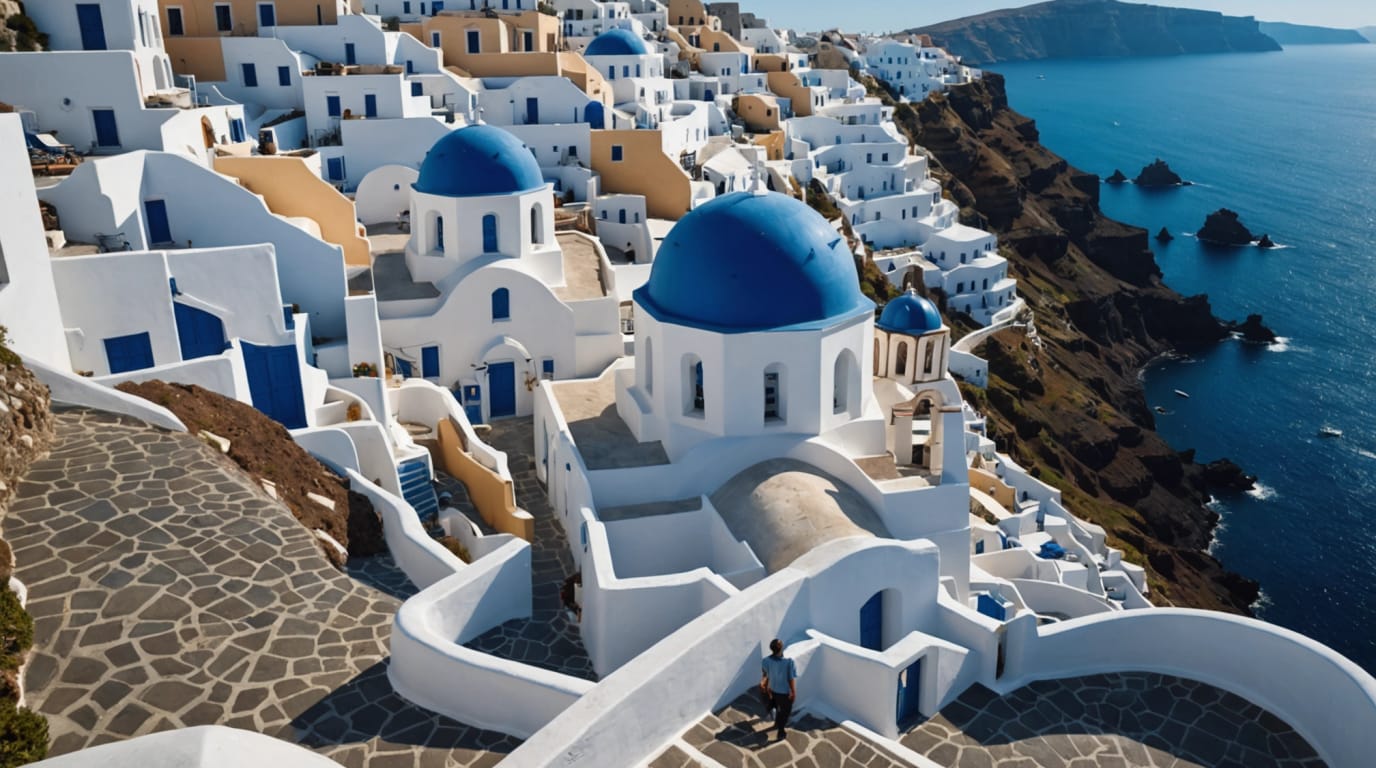
Santorini, the iconic Greek island famed for its breathtaking sunsets and whitewashed villages clinging to caldera cliffs, is currently grappling with a weeks-long earthquake swarm that has rattled residents and raised concerns about the potential for a major seismic event. While authorities maintain that there are no immediate signs of a volcanic eruption, the increased seismic activity has prompted evacuations, school closures, and heightened vigilance across the island. The recent events serve as a stark reminder of Santorini's volatile geological history and the ever-present risks associated with living on an active volcanic island.
A Month of Tremors
Since late January, Santorini and the surrounding Cyclades islands have experienced a surge in earthquake activity. According to the National and Kapodistrian University of Athens, more than 20,000 tremors have been recorded along the Santorini-Anydros-Amorgos axis, with some exceeding a magnitude of 5.0. While most of these tremors have been relatively minor, the sheer frequency of the earthquakes has unsettled the local population and prompted a state of emergency declaration by the Greek government. Thousands of residents evacuated the island, and schools were temporarily closed as a precautionary measure. As of March 4, schools have reopened with earthquake preparedness protocols in place to ensure student safety.
The ongoing seismic activity has also disrupted tourism, a vital sector of Santorini's economy. The Greek Maritime Ministry has temporarily banned cruise ship calls to the island, leading to itinerary changes for several cruise lines. Travel advisories urge visitors to avoid coastal areas, abandoned buildings, enclosed spaces with large crowds, and steep slopes due to the risk of potential landslides.
Tectonic Forces at Play
The earthquakes in Santorini are primarily attributed to tectonic processes, specifically the subduction of the African Plate beneath the Aegean Sea Plate. This subduction zone, known as the Hellenic Trench, is a major source of seismic activity in the region. The collision of these plates creates immense pressure, leading to the formation of fault lines and the release of energy in the form of earthquakes.
While the current seismic activity is not directly linked to volcanic processes, Santorini's volcanic history cannot be ignored. The island is part of the Hellenic Volcanic Arc and is essentially the remnant of a massive volcanic eruption that occurred around 1600 BCE. This eruption, known as the Minoan eruption, was one of the largest volcanic events in recorded history, devastating the island and potentially contributing to the decline of the Minoan civilization on Crete.
Santorini's unique landscape, characterized by its caldera and steep cliffs, is a direct result of this volcanic past. The island is composed of overlapping shield volcanoes cut by several partially overlapping calderas. The most recent volcanic activity occurred in the 20th century, with a small lava dome and flow produced in 1950.
Preparing for the Worst
In response to the ongoing earthquake swarm, Greek authorities have taken several steps to ensure public safety and preparedness. The municipality of Santorini has released protective measures, including the suspension of educational activities and guidance on safe evacuation routes. The Greek government has also announced plans to construct an emergency "escape port" on the island to facilitate evacuations in the event of a major earthquake.
Experts emphasize the importance of responsible communication from scientists to avoid causing unnecessary panic. While it is impossible to predict the exact timing and magnitude of future earthquakes, continuous monitoring and preparedness are crucial for mitigating potential risks.
Illegal Construction Concerns
Adding to the concerns, authorities have recently discovered dozens of illegal buildings on Santorini, many of which are hotels and tourist accommodations that falsely registered as pre-1955 structures to circumvent building regulations. Seismologists warn that this overdevelopment could increase the risk of devastating landslides and structural collapse during an earthquake. Dimitris Papanikolaou, a professor of geology at the University of Athens, notes that the soft, volcanic soils that make up the cliffs of the caldera are particularly vulnerable.
Awaiting the Next Chapter
As Santorini navigates this period of heightened seismic activity, residents and authorities remain vigilant, hoping that the earthquake swarm will subside without escalating into a major event. The island's history is a testament to its resilience in the face of natural disasters, and its people are determined to protect their unique cultural heritage and stunning landscape. While the future remains uncertain, one thing is clear: Santorini's story is far from over, and its relationship with the powerful forces of nature will continue to shape its destiny. The island's fate hangs in the balance as scientists continue to monitor the situation, and residents adapt to a new normal of heightened awareness and preparedness.