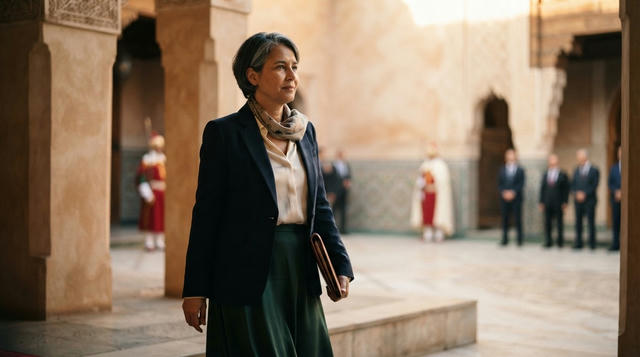
Scholz Visits Warsaw for Farewell Meeting with Tusk Amidst Shifting Political Landscape
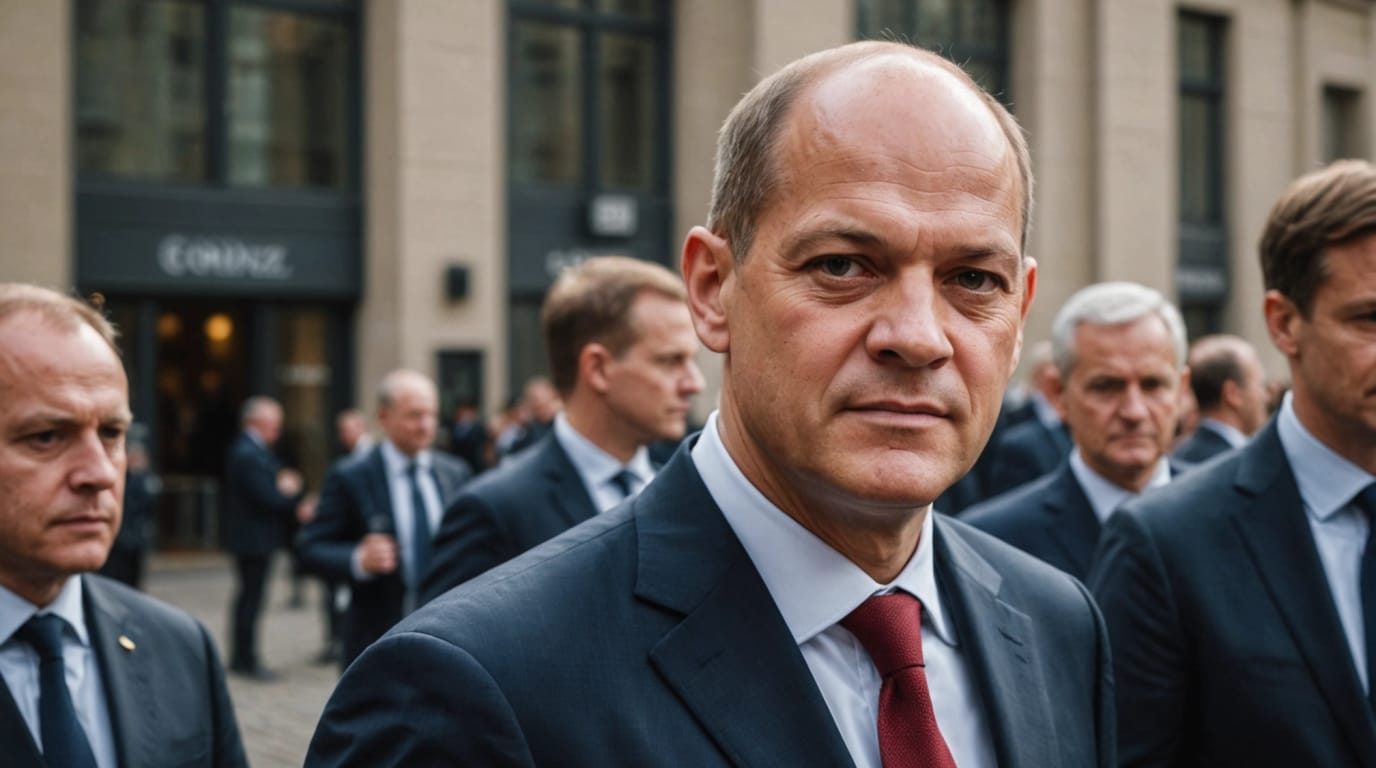
Outgoing German Chancellor Olaf Scholz is in Warsaw today for a farewell meeting with Polish Prime Minister Donald Tusk, a visit framed by a changing political landscape in both Germany and Poland. The discussions are expected to center on German-Polish relations, European security, and the ongoing support for Ukraine, all while both leaders navigate significant domestic transitions.
A Farewell Visit Amidst Political Shifts
Scholz's visit comes as he prepares to cede his chancellorship to Friedrich Merz, the leader of the Christian Democratic Union (CDU), following snap elections in Germany in February. Scholz has been serving in a caretaker capacity since the collapse of his coalition government late last year. Simultaneously, Poland is gearing up for presidential elections on May 18, with incumbent Andrzej Duda term-limited and unable to seek re-election. This confluence of political transitions adds weight to the discussions between Scholz and Tusk, as both leaders look to solidify bilateral ties amidst uncertainty.
Thorny Issues in German-Polish Relations
Despite being allies within NATO and the European Union, German-Polish relations have experienced periods of strain during Scholz's tenure. One of the most significant points of contention has been the issue of German compensation for Polish victims of World War II. In 2022, the former Polish government, led by the right-wing Law and Justice (PiS) party, formally demanded €1.3 trillion in reparations from Germany for damages incurred during the war. While Scholz's government rejected this demand, citing that the issue of reparations was closed, they did propose providing €200 million to living Polish victims of the war. This offer was reportedly viewed as insufficient by Tusk.
Migration has also been a source of friction. In 2023, the Polish government allegedly provided work visas to migrants from Asia and Africa in exchange for payments, leading to a diplomatic scuffle where the German government summoned Poland's ambassador. These disagreements highlight the complex and often challenging dynamics between the two nations, even as they cooperate on broader European issues.
Security Concerns and Support for Ukraine
A key focus of the meeting between Scholz and Tusk is expected to be European security, particularly in light of Russia's ongoing aggression against Ukraine. Both Germany and Poland share concerns about the security of the European Union's eastern border and the need to support Ukraine in its fight against Russian forces. Poland, which currently holds the presidency of the Council of the European Union, has made strengthening Europe's security a central theme of its leadership. This includes providing Ukraine with the necessary support, strengthening the EU's borders, and bolstering defense capabilities.
Germany and Poland are among Ukraine's most important supporters, and closer cooperation is seen as vital for rebuilding the country and supporting its path towards joining the European Union. However, disagreements have emerged regarding the financing of joint defense initiatives. While Poland has advocated for joint borrowing at the EU level to fund projects like a defense line along the EU's eastern border, Germany has opposed this approach, preferring funding through national governments.
Historical Responsibility and Future Cooperation
The relationship between Germany and Poland is deeply rooted in a complex and often difficult history. The legacy of World War II and the Nazi occupation of Poland continues to shape the dynamics between the two countries. Germany acknowledges its historical responsibility for the crimes committed during the war and has taken steps to address this legacy, including approving funding for a German-Polish center in Berlin as a place of remembrance and intercultural exchange.
Despite the challenges, both Germany and Poland recognize the importance of their partnership for the future of Europe. The two countries are bound by a network of political, social, economic, cultural, and scientific ties, and close exchange among their citizens. They share a joint leadership role in the Baltic Sea area and for protecting the eastern flank of NATO. Both governments have expressed a desire to strengthen cooperation in key areas such as security and defense, support for Ukraine, business relations, and enlargement of the EU.
Looking Ahead
As Olaf Scholz prepares to leave office and Friedrich Merz steps in as the new German Chancellor, the meeting in Warsaw serves as an opportunity to reaffirm the importance of the German-Polish relationship and to lay the groundwork for future cooperation. While challenges remain, both countries share a commitment to European security and stability, and a recognition of the need to work together to address the complex issues facing the continent. The upcoming presidential elections in Poland add another layer of complexity to the relationship, but the strong foundation of bilateral ties is expected to endure, ensuring continued cooperation between these two key European nations.