Sheikh Hamad bin Khalifa Al Thani, Architect of Modern Qatar, Dies at 74
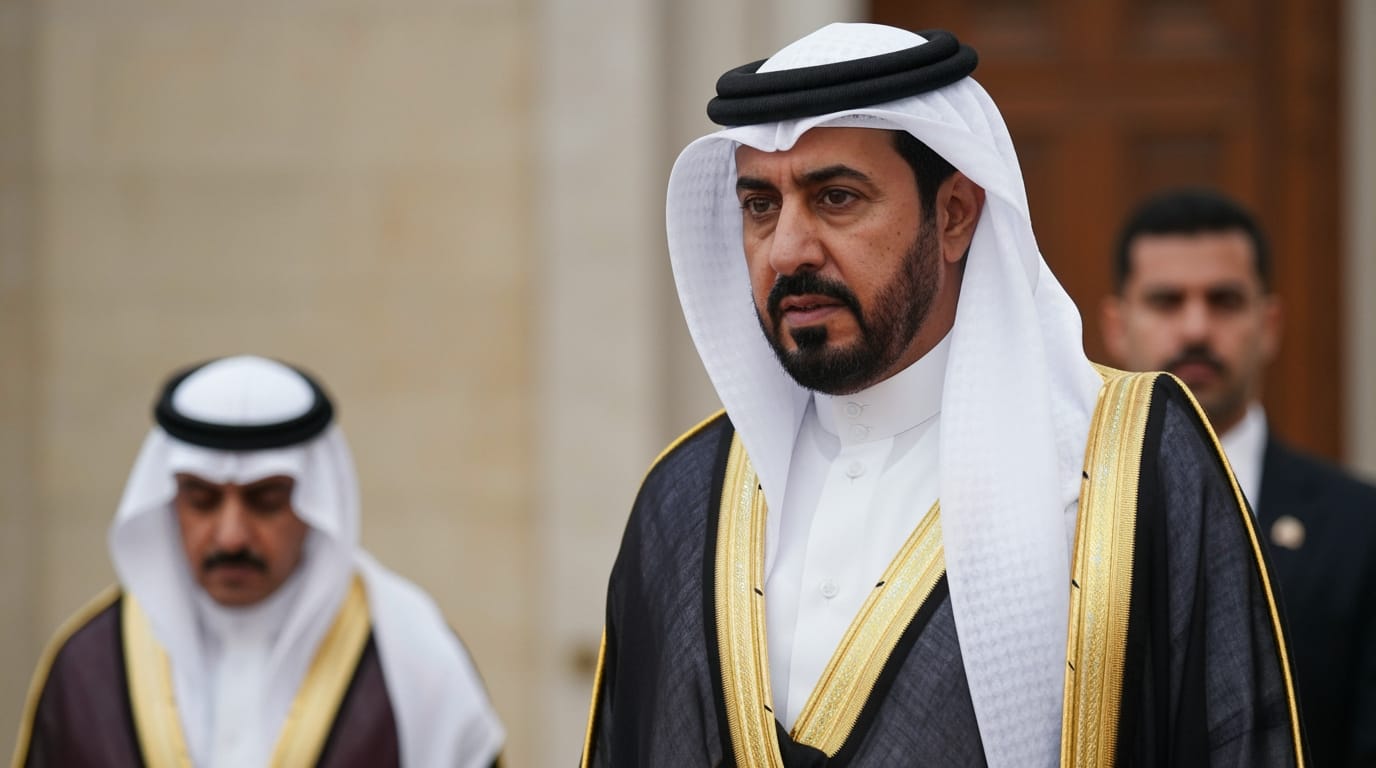
Doha, Qatar – Sheikh Hamad bin Khalifa Al Thani, the former Emir of Qatar who steered the small Persian Gulf nation through a transformative era, elevating it to a prominent global stage in diplomacy, media, and finance, has died at the age of 74. State media announced his passing on Sunday, July 12, 2026, without disclosing the cause of death. His death marks the end of an era for a leader widely credited with masterminding Qatar's rapid modernization and asserting its influence far beyond its borders.
A Visionary's Ascent and Unprecedented Abdication
Born on January 1, 1952, Sheikh Hamad's early life included an education at the prestigious Royal Military Academy Sandhurst in the United Kingdom. He returned to Qatar to join its armed forces, swiftly rising through the ranks. In 1977, he was appointed Crown Prince and Minister of Defense, positions that positioned him at the heart of Qatari governance. His path to leadership culminated in a bloodless palace coup in 1995, where he deposed his father, Sheikh Khalifa bin Hamad Al Thani, while the elder emir was on an overseas trip. This move, though decisive, set the stage for an 18-year reign that would fundamentally reshape Qatar.
In a move that defied regional tradition and surprised many observers, Sheikh Hamad voluntarily abdicated in June 2013, handing power to his fourth son, Sheikh Tamim bin Hamad Al Thani, then 33. This peaceful transfer of power was unprecedented for a hereditary ruler in the Gulf, where leaders typically remain in office for life. Sheikh Hamad articulated his decision as a step to empower a new generation of leaders to address the nation's future challenges. Following his abdication, he was affectionately known as the "Father Emir."
Transforming a Nation: Economic and Social Progress
Under Sheikh Hamad's leadership, Qatar underwent an astonishing economic transformation driven by its vast natural gas reserves. Exploiting the world's third-largest gas reserves, Qatar rapidly became the leading exporter of liquefied natural gas (LNG) by 2006. This boom in energy production fueled an unparalleled surge in the nation's wealth, catapulting Qatar to become one of the world's richest countries per capita. The nation's Gross Domestic Product (GDP) increased more than twenty-four-fold during his tenure.
A key instrument in managing this immense wealth was the establishment of the Qatar Investment Authority (QIA) in 2005. This sovereign wealth fund strategically invested over $100 billion globally, acquiring stakes in major international entities and diversifying Qatar's financial footprint. Beyond economic growth, Sheikh Hamad also initiated significant social and political reforms. He introduced municipal elections in 1999, notably granting women the right to vote and stand as candidates – a pioneering step in the region. The promulgation of Qatar's first permanent constitution in 2004 further solidified legal frameworks and laid groundwork for a more structured governance. His second wife, Sheikha Moza bint Nasser, played a visible role in promoting education and development, advancing women's equality in the country.
Raising Qatar's Global Profile: Media, Diplomacy, and Sport
Sheikh Hamad's vision extended to positioning Qatar as a significant voice on the international stage. In 1996, he founded the Al Jazeera satellite news network, which quickly became one of the most influential Arabic-language news organizations globally. Al Jazeera’s often blunt and independent reporting, a departure from traditional Arab media, significantly amplified Qatar's global media presence and influence, though it also drew criticism for perceived biases.
Diplomatically, Sheikh Hamad transformed Qatar into an active and often unconventional mediator in regional and international conflicts. The country played a role in facilitating talks for disputes in Sudan's Darfur region, Lebanese factional disagreements, and negotiations between Palestinian factions Fatah and Hamas. Qatar notably maintained close ties with the United States, hosting two U.S. military bases, while also fostering relations with Iran, an approach that sometimes rankled regional and Western allies. His foreign policy, which included ties to groups like Hamas and the Muslim Brotherhood, occasionally created friction with neighboring countries, contributing to later regional disputes.
A crowning achievement in Qatar's global outreach was securing the bid to host the 2022 FIFA World Cup. This successful endeavor, a first for an Arab nation, reflected years of strategic investment in infrastructure and international engagement initiated during his administration. Sheikh Hamad, though no longer in power, received thunderous applause from Qataris at the tournament's opening match, a testament to his enduring popularity and the impact of his initiatives.
A Lasting Legacy
The passing of Sheikh Hamad bin Khalifa Al Thani marks the end of an era defined by audacious ambition and profound change for Qatar. His legacy is etched into every facet of the modern Qatari state: from its towering skyscrapers and world-class infrastructure to its influential media presence and active diplomatic corps. He transformed a small desert emirate into a formidable economic powerhouse and a key player in international affairs.
His decision to step down voluntarily, paving the way for a younger generation, remains a significant moment in Gulf politics, symbolizing a forward-looking approach to leadership succession. The policies and institutions he established, including the QIA and Al Jazeera, continue to shape Qatar's trajectory under his son, Sheikh Tamim, who has largely continued his father's strategic vision. The Amiri Diwan has declared a period of national mourning for a leader whose impact on his homeland and the wider world will be felt for generations to come.