Sixteen Maoist Rebels Killed in Chhattisgarh Gun Battle
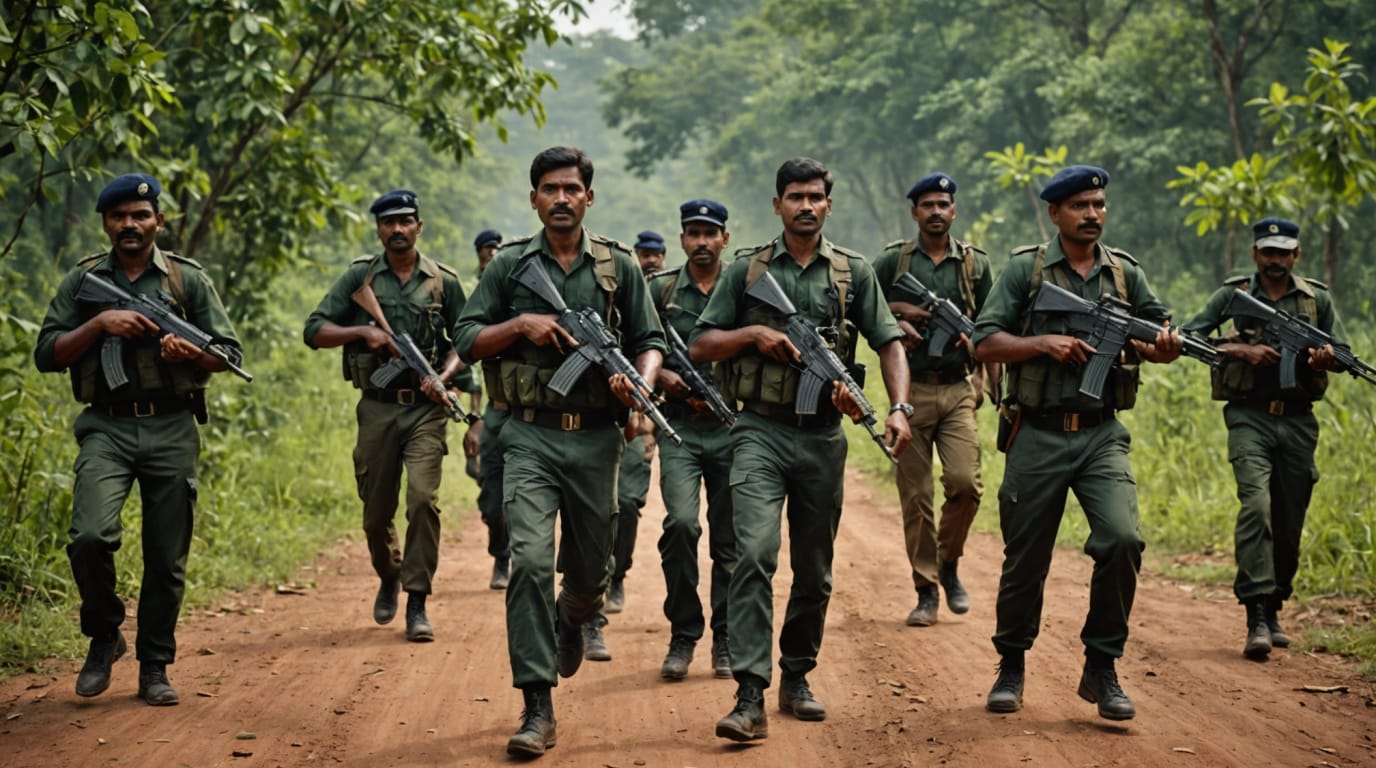
Raipur, India – Sixteen Maoist rebels were killed in a gun battle with Indian security forces in the central state of Chhattisgarh on Saturday, officials said. The clash occurred in the Sukma district, a known stronghold of the Maoist insurgency, highlighting the ongoing conflict between the government and the far-left insurgents. Two security personnel sustained injuries during the operation.
The incident marks the latest in a series of intensified operations against Maoist insurgents, also known as Naxals, who have been waging a guerrilla war against the Indian government for decades. The rebels claim to be fighting for the rights of tribal people and landless laborers, seeking greater control over land and resources exploited by major mining companies.
Details of the Encounter
According to Kiran Gangaram, a top police official in Sukma, the gun battle resulted in the recovery of weapons from the slain rebels. The operation was conducted in a forested area of the Sukma district, where Maoist presence is significant. Security forces launched the operation based on intelligence inputs suggesting a large gathering of Maoist cadres in the area.
The encounter underscores the challenges faced by security forces in combating the insurgency in the dense and remote terrains of central and eastern India. The Maoists have historically utilized these areas as safe havens, making it difficult for government forces to effectively target them.
The Maoist Insurgency in India
The Maoist insurgency in India has its roots in the socio-economic inequalities and marginalization faced by tribal communities. Inspired by far-left radical communist ideologies, the Naxals have been fighting for what they perceive as the rights of these communities for over three decades. Their influence extends across several states, including Chhattisgarh, Odisha, Jharkhand, and Bihar.
The conflict has resulted in thousands of deaths, including civilians, security personnel, and Maoist cadres. The government has designated the Maoist movement as a terrorist organization and has been undertaking various measures to counter the insurgency, including security operations and development initiatives aimed at addressing the grievances of the local population.
Government Response and Future Outlook
Indian Home Minister Amit Shah has vowed to eliminate the Maoist insurgency, setting a target of March 2026. Clashes between security forces and Maoists have intensified since Prime Minister Narendra Modi came to power for a third term last year. The government has been deploying additional forces and resources to affected areas, focusing on intelligence-based operations and improved coordination between state and central agencies.
In February, over 30 Naxals were killed in a gun battle along the border between Chhattisgarh and Orissa states. These operations signify a more aggressive approach by the government to quell the insurgency.
Impact on Local Communities
The ongoing conflict has had a devastating impact on local communities, particularly tribal populations who often find themselves caught between the government and the Maoists. Development activities in these areas have been hampered by the insurgency, further exacerbating socio-economic problems.
Efforts to win the hearts and minds of the local population are crucial to long-term success in countering the Maoist influence. This includes ensuring access to education, healthcare, and livelihood opportunities, as well as addressing issues of land rights and displacement.
Broader Implications
The Maoist insurgency poses a significant internal security challenge for India. The conflict not only results in loss of life and property but also impedes economic development and social progress in affected regions. The government's efforts to address the insurgency are therefore critical for maintaining peace and stability in the country.
The success of these efforts will depend on a multi-pronged approach that combines security measures with development initiatives and addresses the underlying causes of the insurgency. It also requires building trust and confidence among local communities and ensuring their participation in the development process.
Conclusion
The killing of sixteen Maoist rebels in Chhattisgarh highlights the ongoing struggle to quell the decades-long insurgency. While security operations can weaken the Maoist influence, a sustainable solution requires addressing the socio-economic grievances of the tribal communities and ensuring their integration into the mainstream. The government's commitment to eliminating the insurgency by March 2026 will be tested in the coming months as it continues to pursue a combination of security and development strategies in the affected regions. The path forward requires a delicate balance of force and diplomacy, with a focus on building a more inclusive and equitable society for all.


