Social Media's Shadow: World Happiness Report Flags Declining Youth Well-being
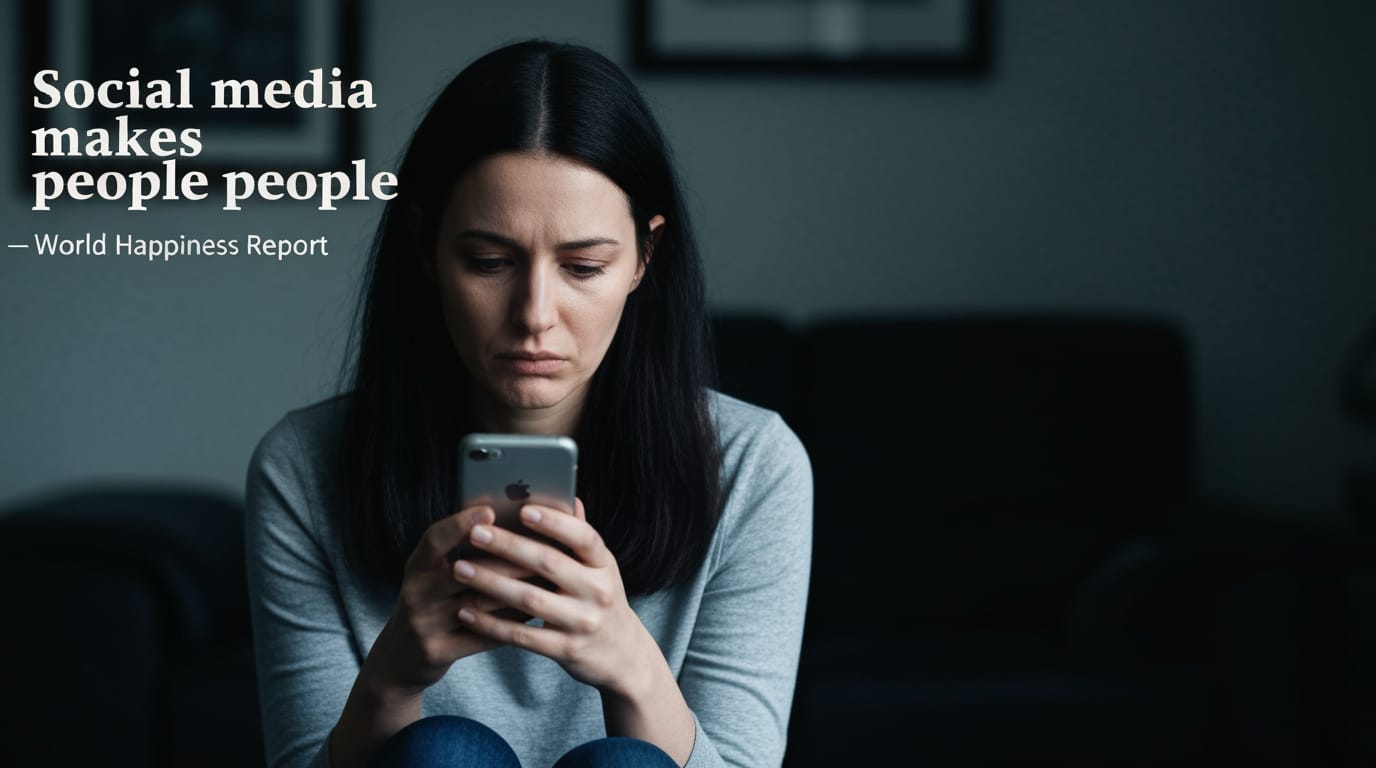
HELSINKI – A recent analysis by the World Happiness Report (WHR) 2026 has cast a stark warning over the pervasive influence of social media, identifying its heavy use as a significant contributor to declining well-being among young people, particularly in Western nations. The widely cited, UN-backed index, which annually evaluates global happiness levels, dedicated a substantial portion of its latest findings to the intricate relationship between digital platforms and mental health, painting a concerning picture for future generations.
The Alarming Decline in Youth Well-being
The 2026 World Happiness Report highlights a notable downturn in life satisfaction among individuals under 25 years old across several English-speaking countries and Western Europe. "Dramatic declines" in happiness have been specifically observed in the United States, Canada, Australia, and New Zealand. While overall global youth happiness has seen an increase over the past two decades, this positive trend does not extend to these regions, where extensive social media engagement is considered a key factor in the erosion of youthful contentment. The report, published by the Wellbeing Research Centre at the University of Oxford in partnership with Gallup and the United Nations, emphasizes that this trend marks a critical shift in the well-being landscape for younger demographics.
Passive Consumption and the Comparison Trap
The mechanisms through which social media usage correlates with reduced happiness are multifaceted. The report points to platforms dominated by algorithm-driven, visually focused, and influencer-led content, such as Instagram, TikTok, and X (formerly Twitter), as especially detrimental. These platforms often encourage passive consumption, where users scroll through curated feeds without direct, reciprocal interaction. This passive engagement fosters a culture of constant social comparison, leading individuals to negatively evaluate their own lives against the seemingly perfect realities presented online. Research indicates that viewing idealized images and updates can lead users to underestimate the negative emotions experienced by others, making their own lives, with their inevitable mix of positive and negative experiences, feel inadequate by comparison. This "upward comparison" without the mood-boosting benefits of genuine social contact can significantly undermine well-being and reduce self-esteem.
Conversely, platforms that prioritize direct social connection, such as WhatsApp and Facebook used for genuine communication, tend to be associated with higher life satisfaction. This distinction underscores that it is not merely the presence of social media, but how it is used, that profoundly impacts mental health.
Disproportionate Impact and Digital Dangers
The negative effects of heavy social media use are not evenly distributed across all demographics. The World Happiness Report specifically highlights that teenage girls in English-speaking countries and Western Europe are disproportionately affected by the decline in well-being linked to these platforms. This vulnerability is attributed to various factors, including increased exposure to digital crimes like sextortion and cyberbullying. These online aggressions contribute to higher rates of depression and anxiety among young users.
Beyond direct harm, problematic social media use is also linked to impaired lifestyle habits, such as difficulties in getting to sleep and reduced physical activity, both of which are critical for overall happiness and mental health. The constant flow of notifications and the fear of missing out (FOMO) can lead to sleep disruption, further exacerbating feelings of anxiety and dissatisfaction.
A Global Response and the Path Forward
In response to these mounting concerns, some countries are already taking legislative action to mitigate the risks. Australia, for instance, became the first country to ban social media for children under 16 late last year. Several European nations, including Greece, France, Spain, and Portugal, are also considering similar restrictions. These policy considerations reflect a growing international acknowledgment of social media's potential for harm, particularly among vulnerable youth.
The World Happiness Report underscores the complexity of social media's impact, noting that some regions, such as parts of the Middle East and South America, show more positive correlations between social media use and well-being. These differences may stem from varying cultural contexts and usage patterns. The report's editors suggest a "Goldilocks proposition" for social media use: not too much, not too little. Findings indicate that limited social media engagement, less than an hour a day, can be associated with higher life satisfaction compared to no use at all, hinting at the potential for positive social connection when managed judiciously. A key recommendation emerging from the report is the imperative to "put the social back into social media," encouraging platforms and users to prioritize meaningful interaction and real-world connections over passive consumption and algorithmic feeds.
The findings from the World Happiness Report 2026 serve as a critical call to action. While the digital landscape offers undeniable benefits, its unchecked influence on the mental health of young people, especially in highly developed nations, demands urgent attention. Understanding the nuances of social media use, coupled with informed policy-making and a renewed focus on genuine human connection, will be essential in navigating the evolving challenges of the digital age and fostering a happier future for younger generations.


