Sound Cannons: Did Sonic Warfare Tactics Play a Role in the Revolutions of 1989?
The revolutions of 1989, a series of transformative events that swept across Eastern Europe, dismantling communist regimes, continue to be a subject of intense historical scrutiny. While factors such as economic stagnation, political repression, and the influence of Soviet reforms under Mikhail Gorbachev are widely acknowledged, the potential use of sonic or acoustic weapons as a tool for crowd control and manipulation remains a less explored, yet potentially significant, aspect of these events. Specifically, questions have arisen regarding whether governments, including those in Serbia and Romania, employed sound-based technologies to influence or suppress protests during this period.
Acoustic Weapons: A Historical Overview
The concept of using sound as a weapon dates back centuries. Historical accounts suggest that sound has been used to intimidate, disorient, and even inflict harm on opponents. From ancient armies using trumpets and drums to create psychological effects to modern-day long-range acoustic devices (LRADs), the application of sound in warfare and crowd control has evolved significantly.
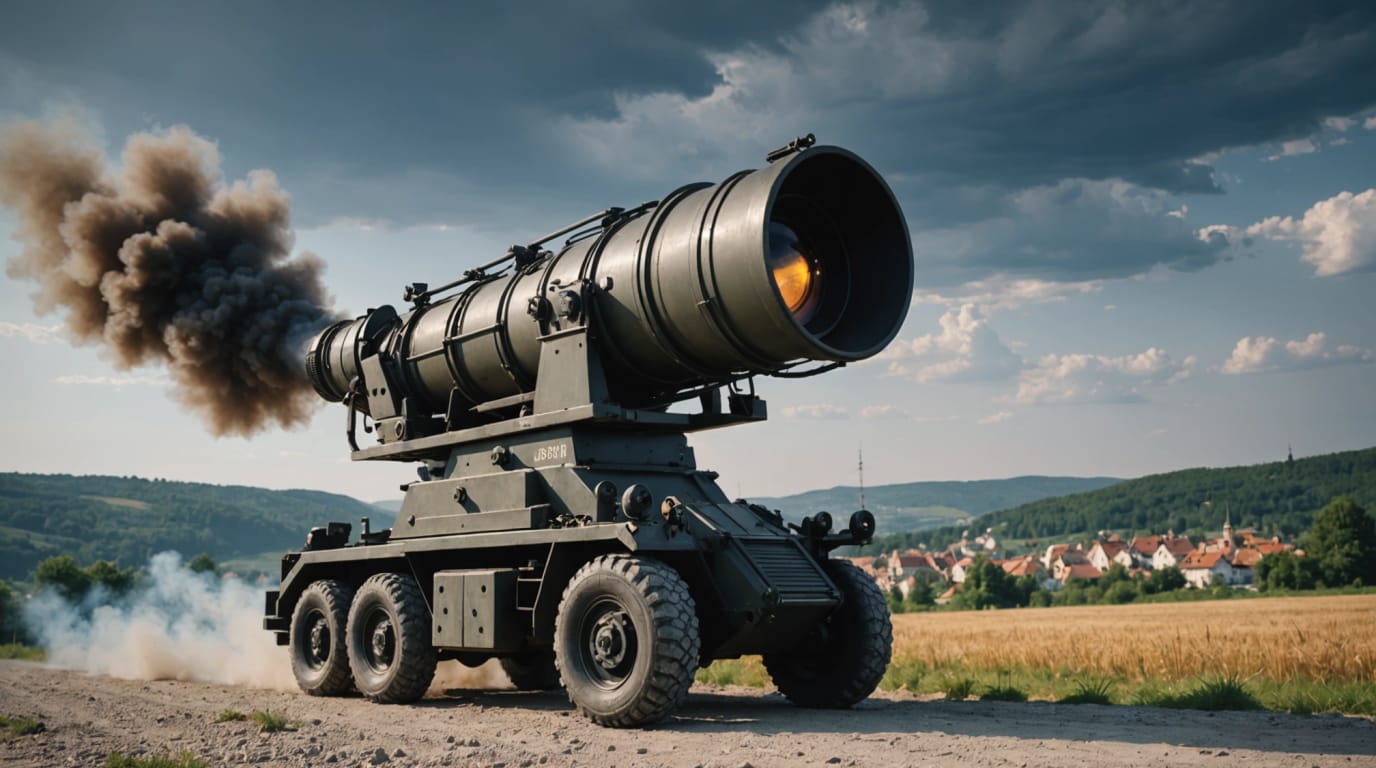
Modern acoustic weapons, often referred to as "sound cannons," utilize focused sound waves to generate intense noise levels over considerable distances. These devices can be employed to deliver painful or disorienting sounds, potentially causing hearing damage or psychological distress. LRADs, for instance, can emit sound levels exceeding 150 decibels, comparable to the noise of a jet engine at close range. While primarily designed for communication and crowd management, the potential for misuse and the lack of comprehensive research on their long-term health effects have raised serious concerns.
The Romanian Revolution and Allegations of Sonic Weapon Use
The Romanian Revolution of December 1989 was a particularly violent and chaotic event, marked by widespread protests, clashes between demonstrators and security forces, and ultimately, the overthrow and execution of Nicolae Ceaușescu, the country's longtime communist leader. Amidst the turmoil, allegations surfaced regarding the use of various crowd control methods, including the potential deployment of acoustic weapons.
Some accounts suggest that the Romanian government may have utilized water cannons and other non-lethal tactics to disperse protesters. However, specific evidence confirming the use of advanced sonic weapons, similar to modern LRADs, during the Romanian Revolution remains scarce. The revolution was characterized by confusion and misinformation, making it difficult to verify specific claims regarding the technologies employed by the government.
A key moment in the Romanian Revolution was Ceaușescu's speech on December 21, 1989, where he attempted to rally support but was met with booing and heckling from the crowd. This event triggered widespread protests and ultimately led to his downfall. Some reports suggest that panic and confusion within the crowd, possibly exacerbated by the sounds of gunfire and other disturbances, contributed to the escalation of the revolution.
Serbia and the Specter of Sonic Weapons
While direct evidence linking Serbia to the use of sound cannons in 1989 is lacking, the topic has resurfaced in recent years in the context of modern-day protests. In March 2025, reports emerged alleging the use of a "sonic weapon" during protests in Belgrade. Witnesses described a "whooshing sound" that triggered panic and a stampede within the crowd.
These allegations have sparked debate and controversy, with some claiming that the sound was a deliberate attempt to disrupt the protests, while others suggest that it may have been the result of crowd dynamics and misinterpretations of other sounds. Some have drawn parallels to the Romanian Revolution, suggesting that similar tactics may have been employed in the past to sow confusion and control crowds.
The Broader Context: Sound as a Tool of Psychological Warfare
The potential use of sonic weapons in the revolutions of 1989 must be considered within the broader context of psychological warfare and crowd control tactics. Throughout history, governments and military forces have employed various methods to influence public opinion, manipulate emotions, and suppress dissent.
Sound, in particular, has been recognized as a powerful tool for psychological manipulation. During the Vietnam War, the U.S. military used sound to create a "bad vibe" and instill fear in the enemy. Similarly, during the siege of Manuel Noriega in Panama in 1989, the U.S. Army blasted rock music outside the Vatican Embassy where he was hiding.
The use of sound for crowd control and psychological manipulation raises ethical concerns about the potential for abuse and the impact on human rights. While some argue that non-lethal weapons like LRADs can be a valuable tool for maintaining order and preventing violence, others warn that they can be used indiscriminately, causing harm to protesters, bystanders, and even law enforcement personnel.
Conclusion: Unanswered Questions and the Need for Further Investigation
Whether Serbia or Romania employed sophisticated sound cannons during the tumultuous events of 1989 remains a subject of speculation and debate. While concrete evidence is limited, the historical context of sound as a weapon and the recent allegations surrounding the use of sonic devices in protests underscore the need for further investigation and critical analysis.
As acoustic weapons become increasingly prevalent in law enforcement and military operations, it is crucial to understand their potential impact on human health and well-being. Further research is needed to assess the long-term effects of exposure to high-intensity sound and to develop clear guidelines for the ethical and responsible use of these technologies. The revolutions of 1989 serve as a reminder of the complex interplay between political change, social unrest, and the tools of control that governments may employ to maintain power.