Southern Europe's Enduring Wisdom: A Blueprint for Surviving a Warming World
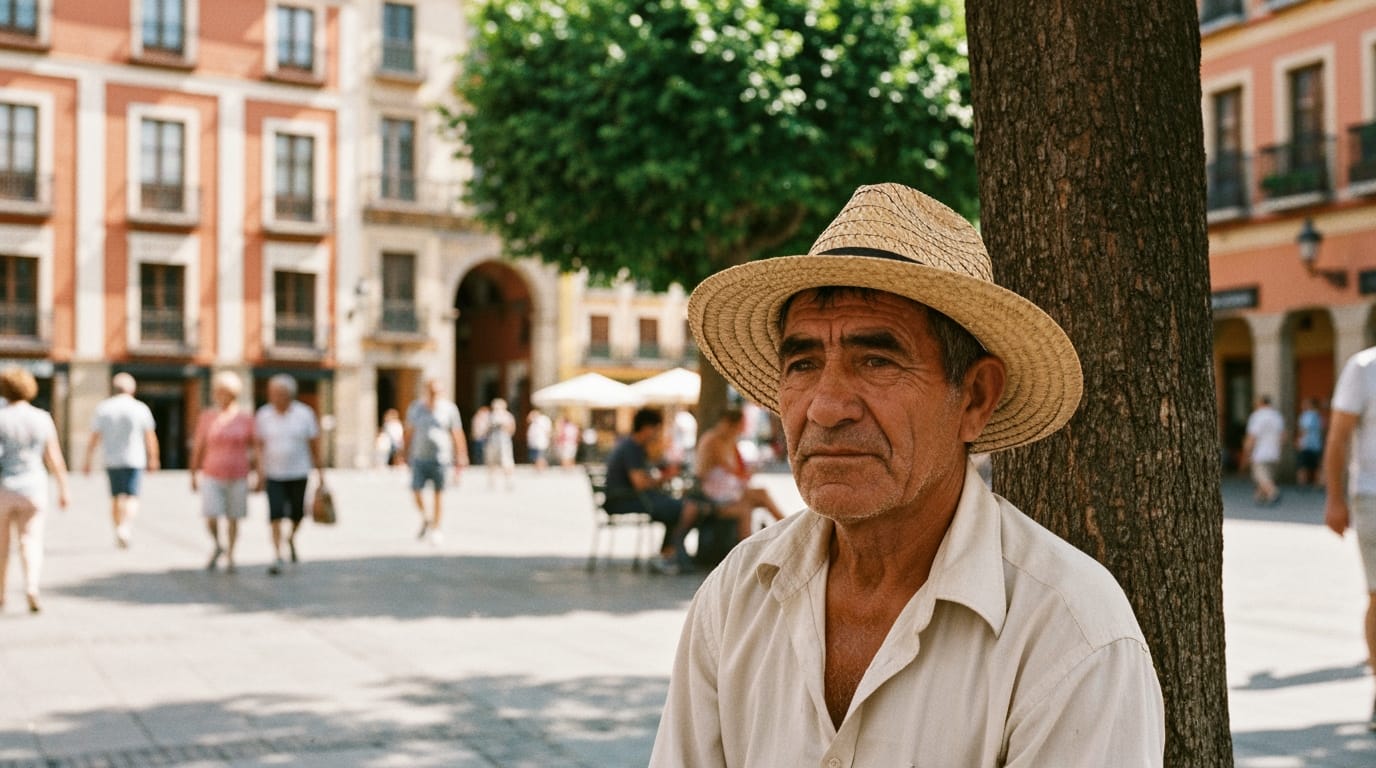
As heatwaves become an increasingly frequent and intense reality across Europe, a continent warming faster than any other, the traditional adaptive strategies of its southern regions are gaining critical importance. From shifting daily rhythms to ingenious architectural solutions and specific dietary practices, Southern Europeans have long cultivated a deep understanding of living with extreme heat. This generations-old wisdom, refined through centuries of scorching summers, now offers a vital blueprint for other nations grappling with the escalating challenges of a rapidly changing climate.
The European continent has witnessed record-breaking temperatures and prolonged heatwaves in recent years, with alarming mortality rates. The summer of 2022 alone saw over 60,000 heat-related deaths across Europe, highlighting the urgent need for effective coping mechanisms. As forecasters predict continued increases in the frequency and intensity of these extreme weather events, particularly in Southern Europe, understanding and adopting these proven methods is no longer merely a cultural curiosity but a public health imperative.
The Rhythms of Life: Adapting to the Sun's Demands
One of the most prominent and culturally ingrained adaptations in Southern Europe is the adjustment of daily routines, famously embodied by the "siesta." This midday break, typically involving rest during the hottest hours, is deeply rooted in the Mediterranean cultural fabric and reflects an intuitive understanding of the local climate. By retreating indoors, often for a nap, individuals conserve energy and avoid the physical strain that excessive heat can cause, significantly reducing the risk of heat exhaustion and heatstroke.
While economic pressures and globalization led to a decline in siesta practices in some urban areas, its efficacy is prompting a resurgence and even consideration by other European nations. Germany's public health officials, for instance, have advocated for adopting Spain's siesta custom, recognizing its potential to mitigate health risks and even boost productivity during cooler parts of the day. Beyond formal breaks, the broader strategy involves rescheduling strenuous activities and work that requires outdoor exposure to early mornings and late evenings, avoiding the peak heat hours, usually between 10 a.m. and 4 p.m. This critical adjustment is particularly vital for outdoor laborers, who require regular rest periods and access to shade to prevent heat-related illnesses. In 2026, France's Labour Minister emphasized that the nation must draw inspiration from Mediterranean countries to redesign working hours and cultural habits as French summers increasingly resemble those of Southern Europe.
Architectural Ingenuity and Urban Resilience
The built environment in Southern Europe also offers profound lessons in passive cooling. Traditional Mediterranean homes were not merely structures but sophisticated climate control systems. They commonly feature thick masonry walls, small windows, and external shutters or blinds designed to keep the sun out and cool air in. White or light-colored exterior walls and roofs are another common trait, chosen for their ability to reflect sunlight and reduce heat absorption, thereby lowering indoor temperatures by several degrees without active cooling systems.
These architectural principles leverage thermal mass, where heavy building materials absorb coolness during the night and slowly release it throughout the day, helping to stabilize indoor temperatures. Courtyards, strategically placed openings, and cross-ventilation further enhance natural airflow, drawing cool air through living spaces. Night-time ventilation, where cooler evening air is allowed to flush out stored heat, is also a critical, low-energy method for maintaining comfortable indoor conditions.
As climate change intensifies the urban heat island effect, modern urban planners across Europe are increasingly turning to these time-tested design principles and innovative green infrastructure. Cities like Paris are developing "cooling islands" that integrate water, vegetation, and shading structures to provide localized relief. Marseille, Reggio Emilia, and Guimarães are investing in extensive tree planting and expanding green belts to create urban forests and community green spaces, recognizing trees' natural cooling effect through shade and evapotranspiration. Valencia has established a network of climate shelters—publicly accessible, thermally comfortable spaces—to protect vulnerable populations during extreme heat. Even cities further north, like Lille Métropole, are repurposing vegetated schoolyards as public cooling zones in dense urban areas, demonstrating a broader adoption of Southern European wisdom.
Culinary Adaptations and Essential Hydration
Diet plays a subtle yet significant role in coping with heat. The renowned Mediterranean diet, with its emphasis on plant-based foods, fresh fruits, vegetables, legumes, whole grains, fish, and olive oil, aligns perfectly with the needs of a hot climate. Meals are typically light and hydrating, shying away from heavy, calorie-dense foods that can increase metabolic heat production. Chilled soups, fresh salads, and grazing boards with dips and spreads (like meze or antipasti) are staples, offering refreshing and nutritious options.
Beyond specific dishes, aggressive hydration is paramount. Southern Europeans intuitively understand the need to drink plenty of water consistently throughout the day, not merely when thirst sets in, as thirst is a lagging indicator of dehydration. Avoiding excessive consumption of alcohol and caffeine, which can contribute to dehydration, is also a common practice.
Public Health Strategies and Community Resilience
Southern European nations have also developed robust public health frameworks to manage heatwaves, which are now being emulated across the continent. These include comprehensive heat health warning systems that issue color-coded alerts to inform the public and trigger specific safety measures. Authorities may impose restrictions on outdoor activities, modify school schedules, or even close schools during severe heat events.
Beyond official warnings, communities play a crucial role in fostering resilience. There is a strong emphasis on checking on vulnerable individuals, such as the elderly, children, pregnant women, and those with pre-existing health conditions, who are at significantly higher risk during heatwaves. Italy, for example, is recognized for being particularly advanced in identifying and actively contacting vulnerable people in their homes during heatwaves. The siesta, while personal, also contributes to community well-being by providing opportunities for families to gather and share meals, strengthening social ties—a vital component of collective resilience.
A Necessary Evolution for a Warming Continent
As Europe continues to confront the escalating impacts of climate change, the adaptive strategies honed over generations in its southern regions offer invaluable lessons. From the sensible adjustment of daily routines like the siesta to the enduring principles of Mediterranean architecture and the health-promoting Mediterranean diet, these practices represent a low-cost, low-tech, and sustainable approach to living with heat.
The increasing frequency and intensity of heatwaves—which are causing significant mortality, straining healthcare systems, and impacting infrastructure and agriculture—underscore the urgency of widespread adoption of these methods. While modern solutions like air conditioning offer relief, their energy demands pose environmental challenges. The blended approach, integrating traditional wisdom with sustainable modern innovations in urban planning and public health, is emerging as the most resilient path forward for a warming European continent. The enduring lessons of Southern Europe are not merely traditions but essential survival tools in a rapidly changing world.