Spanish Police Dismantle Migrant Trafficking Ring in Ceuta Amid Ongoing Crisis
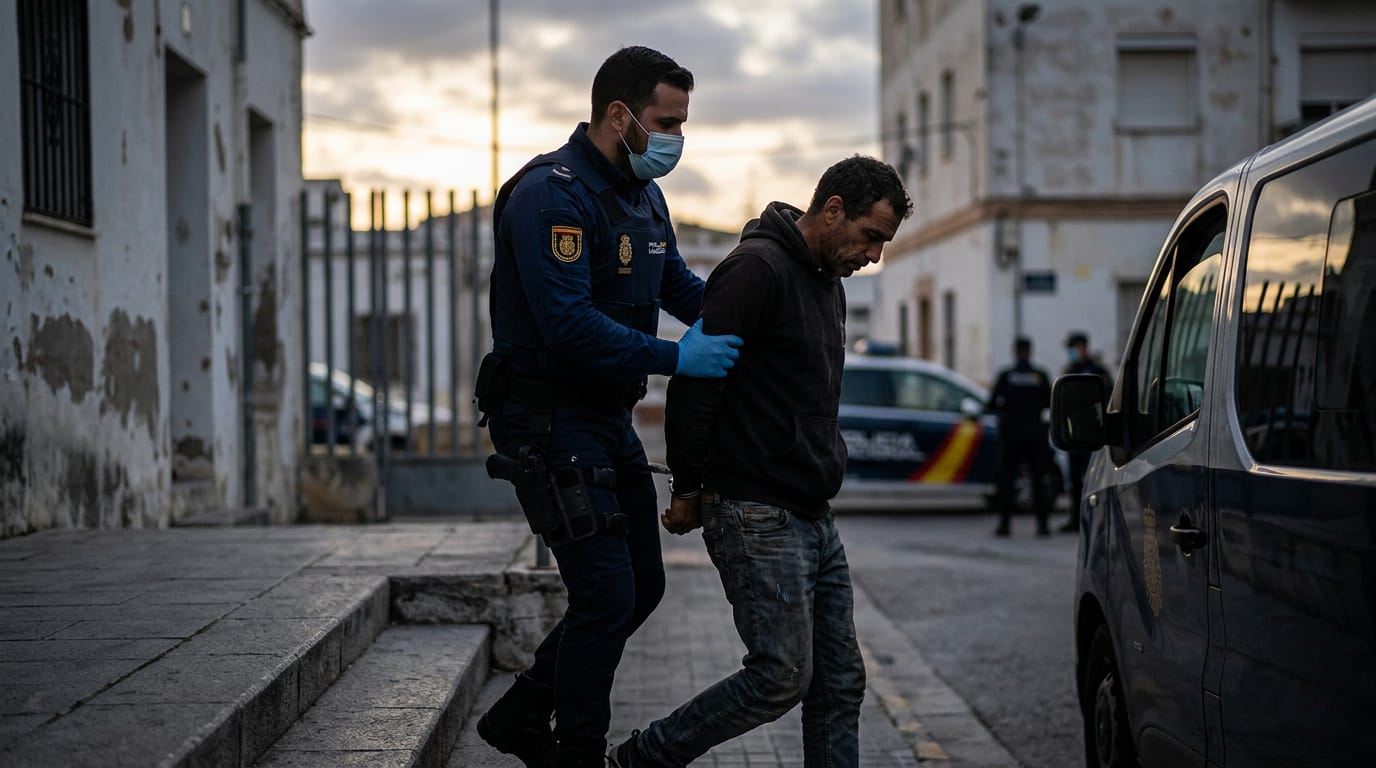
Spanish authorities have arrested five individuals suspected of operating a sophisticated migrant trafficking network, exploiting vulnerable individuals attempting to reach mainland Europe from the North African enclave of Ceuta. The arrests come as Ceuta grapples with the aftermath of a massive influx of irregular migrants in late July, highlighting the persistent and dangerous role of criminal organizations in facilitating illicit crossings.
The investigation, culminating in the arrests, reveals a network that allegedly charged migrants thousands of dollars for perilous sea journeys across the Strait of Gibraltar. These operations often involved overcrowded and unsafe vessels, underscoring the significant risks undertaken by those desperate to reach European soil. The crackdown signals an intensified effort by Spanish law enforcement to combat the human trafficking groups profiting from the ongoing migration challenges in the region.
Alleged Traffickers Exploited Desperation with High Fees and Unsafe Journeys
Spanish police confirmed the arrest of five individuals linked to a migrant trafficking network that preyed on individuals attempting to cross from Ceuta to the Iberian Peninsula. The alleged traffickers demanded exorbitant fees, reportedly charging migrants up to $10,500 (€9,000 in some accounts) for passage in small boats frequently described as lacking minimum safety standards. One specific incident involved a fifth suspect jailed pending trial, accused of charging seven migrants €8,000 each for transport in an unsafe vessel on the night of August 14.
Four of the arrested suspects were part of an organized network that intercepted irregular migrants, providing them temporary shelter in residences or garages within Ceuta before arranging their illicit sea transfers. The network reportedly employed skilled boat drivers, chosen for their expertise in fast navigation and their ability to evade police detection during the dangerous crossings. Arrests were made across multiple locations, with two suspects detained in Ceuta and another two in La Línea de la Concepción, a town in Spain's Andalusia region. The profits from these ventures were substantial, with police estimating that these gangs could generate up to €56,500 from a single boat crossing.
Ceuta's Tumultuous Summer: A Backdrop of Mass Migration
The recent arrests occur against the backdrop of an unprecedented migration surge in late July 2026, when an estimated 72,000 to 80,000 irregular migrants entered Ceuta from neighboring Morocco within a short period. Many of these individuals reached the Spanish enclave by swimming around coastal barriers or crossing on foot, creating a chaotic and overwhelming situation for local authorities. The influx led to significant humanitarian concerns, with reports indicating scores of fatalities, some due to drowning, and others caught in dangerous conditions near the border.
This mass movement of people placed immense strain on Ceuta's resources, with thousands of migrants left sleeping on streets and beaches, and the city's shelter system severely overwhelmed. In response, the Spanish government announced plans to establish temporary centers to alleviate the pressure. Moroccan officials have attributed the sudden surge, in part, to widespread misinformation and the deliberate exploitation of social media by human trafficking networks, which created a misleading perception that the crossing would be easy. A key factor cited was the misinterpretation by traffickers of a Spanish Supreme Court ruling from June 29, which stated that migrants intercepted at sea near Ceuta could not be summarily returned without due legal process. Trafficking groups reportedly misrepresented this ruling as an open invitation to enter Europe more easily.
The Enduring Peril of the Western Mediterranean Route
The Ceuta crisis and the subsequent arrests underscore the broader and enduring challenges of irregular migration along the Western Mediterranean route, which encompasses sea arrivals to mainland Spain and land crossings into the Spanish enclaves of Ceuta and Melilla. These routes are frequently utilized by migrants transiting through Morocco and Algeria, seeking pathways into Europe. The vulnerability of migrants, often fleeing conflict, poverty, and instability in their home countries, makes them prime targets for criminal organizations.
Human trafficking poses a severe threat, with individuals subjected to dangerous conditions and significant financial exploitation. The perilous nature of these crossings was evident in the recent Ceuta events, which tragically claimed dozens of lives. While the majority of migrants who entered Ceuta in July have since returned to Morocco, thousands remain, many with uncertain futures. This ongoing situation, coupled with the dismantling of trafficking networks, highlights the complex interplay between humanitarian needs, border security, and the relentless efforts of organized crime. International bodies and European Union member states continue to grapple with effective strategies to manage these flows and dismantle the criminal enterprises that profit from human desperation.
A Continued Fight Against Human Exploitation
The recent arrests in Ceuta represent a significant step in the ongoing battle against human trafficking in the volatile border region between North Africa and Europe. By targeting the financial mechanisms and operational networks of these criminal organizations, Spanish police aim to disrupt a lucrative trade that preys on the hopes and vulnerabilities of migrants. Yet, the underlying factors driving irregular migration—including economic hardship, conflict, and misinformation—remain potent forces, ensuring that the challenges faced by Ceuta and other European gateways will persist. Combating human trafficking effectively requires not only law enforcement action but also comprehensive strategies addressing humanitarian needs, international cooperation, and public awareness campaigns to counter the deceptive narratives spread by criminal groups.