St. Pauli U19 Coach Christian Dobrick Comes Out, Delivers Stark Critique of Professional Football Culture
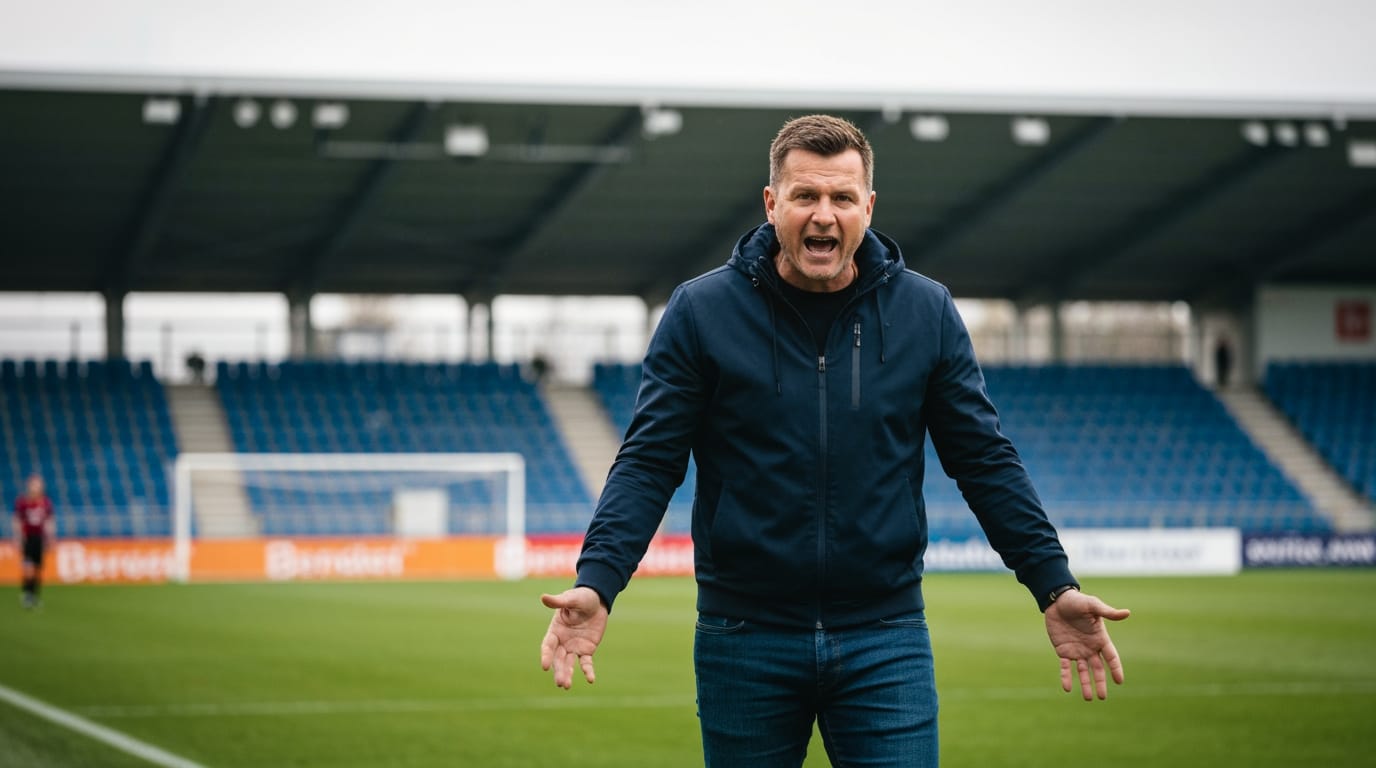
In a significant moment for LGBTQ+ representation and dialogue within the sport, Christian Dobrick, the 29-year-old U19 coach for German Bundesliga club FC St. Pauli, has publicly disclosed his sexual orientation, revealing he is gay. This revelation is accompanied by a powerful and pointed criticism of the culture within men's professional football, which he characterizes as largely inhospitable to gay individuals. Dobrick's candid statements highlight the persistent pressures faced by those in the sport to conform to heteronormative expectations, sparking renewed conversations about inclusivity and authenticity at all levels of the game.
Dobrick’s decision to come out, a rare occurrence for a coach in men's professional football, follows years of concealing his true identity. He explained that maintaining this "hidden game" exacted a considerable toll on his personal energy, a burden he was no longer willing to carry. His courage to step forward has been met with supportive affirmations from his club, FC St. Pauli, which has long been recognized for its progressive stance and commitment to social issues. The club's president, Oke Göttlich, extended personal assurance of support to Dobrick, aligning with St. Pauli's ethos of "Lieb' doch, wen du willst!" (Love whoever you want!). This institutional backing provides a compelling backdrop to Dobrick's broader indictment of the sport's environment.
The Lingering Shadow: Football's Heteronormative Pressures
Dobrick's primary critique zeroes in on what he perceives as a deeply ingrained prejudice within men's top-tier football. He articulated that gay men are still widely perceived as "aliens" or "extraterrestrials" in the professional football environment. This sentiment stems from a pervasive culture that, according to Dobrick, exerts immense pressure on individuals to lead a heteronormative life, implicitly discouraging and effectively marginalizing those who do not conform. His observation suggests a stark contrast between the progressive values often championed off the pitch and the reality experienced by many within the footballing ecosystem.
The U19 coach posited that the disproportionately low number of openly gay players in professional football, compared to the general population, is a direct consequence of this stifling environment. He contends that gay players are forced to "waste energy" contending with issues unrelated to their athletic performance or coaching duties, diverting crucial focus and mental fortitude away from their careers. This constant internal struggle to hide one's true self, he implies, can be a significant impediment to reaching the highest levels of the sport, creating an invisible barrier that few can overcome without immense personal sacrifice. His personal experience of denying his homosexuality for years underscores the profound psychological burden imposed by this cultural expectation.
A Coach's Dilemma: Career Fears and the Quest for Authenticity
Dobrick openly acknowledged the career anxieties that factored into his prolonged silence. He expressed his long-standing uncertainty regarding whether "making a confession, being gay, would not ruin my career". This apprehension is not unfounded, given the historical scarcity of openly gay individuals in men's professional football roles, particularly among coaches. Despite his aspirations to work in the professional football sphere "at some point," the fear of professional repercussions remained a tangible concern. His decision to prioritize his authenticity over these fears represents a courageous stand against deeply entrenched norms.
A pivotal moment that influenced Dobrick's coming out was a meeting with celebrated football manager Jürgen Klopp. Klopp reportedly imparted wisdom that resonated deeply with Dobrick, emphasizing the importance of genuine self-expression: "You can be whoever you want as a coach, but you have to stand for something. You have to be yourself". These words from a highly respected figure in the football world provided a crucial impetus, affirming Dobrick's belief that authenticity is not a weakness but a fundamental strength. This encounter highlights the potential for influential figures within the sport to foster environments where honesty and self-acceptance are encouraged, not penalized.
A Clarion Call for Change and Broader Implications
Dobrick's public statement and critique serve as a clarion call for greater introspection and systemic change within men's football. His advice to other gay players – "Take the plunge and swim!" – is a direct challenge to the status quo, urging individuals to embrace their identities despite the perceived risks. This call to action is not merely a personal appeal; it underlines the urgent need for the footballing world to cultivate environments where such courage is not only possible but also celebrated and protected.
The incident underscores the persistent gap in inclusivity when comparing men's professional football to other sports or even women's football, where openly LGBTQ+ athletes and coaches are more prevalent. The implications extend beyond individual well-being to the very fabric of the sport. A culture that compels individuals to hide aspects of their identity deprives the game of talent, diversity, and authentic voices. It also sends a discouraging message to aspiring young athletes, potentially leading many to abandon their dreams or endure years of emotional strain. For football to truly reflect modern societal values and embrace its role as a global unifier, addressing these deep-seated cultural barriers is imperative.
Moving Towards a More Inclusive Future
Christian Dobrick's courageous decision to come out and his subsequent critique of professional football mark a significant step in the ongoing journey toward greater LGBTQ+ inclusivity in the sport. His actions, supported by his club, FC St. Pauli, challenge the enduring silence and heteronormative pressures that have long characterized men's football. By speaking out, Dobrick not only liberates himself from the burden of hiding but also shines a much-needed light on an issue that demands widespread attention and proactive solutions.
His experience serves as a powerful reminder that while progress has been made in societal acceptance, professional football still has considerable ground to cover in fostering an environment where all individuals, regardless of sexual orientation, can participate and thrive authentically. The reverberations of Dobrick's statements are likely to fuel further discussions among clubs, governing bodies, players, and fans, urging a collective commitment to dismantle the invisible barriers that continue to impede true diversity and inclusion within the beautiful game. The path forward requires not only individual acts of bravery but also systemic changes to ensure that football truly stands for something: an open, accepting, and equitable space for everyone.