Stocks and Dollar Tumble as Trump Renews Criticism of Federal Reserve
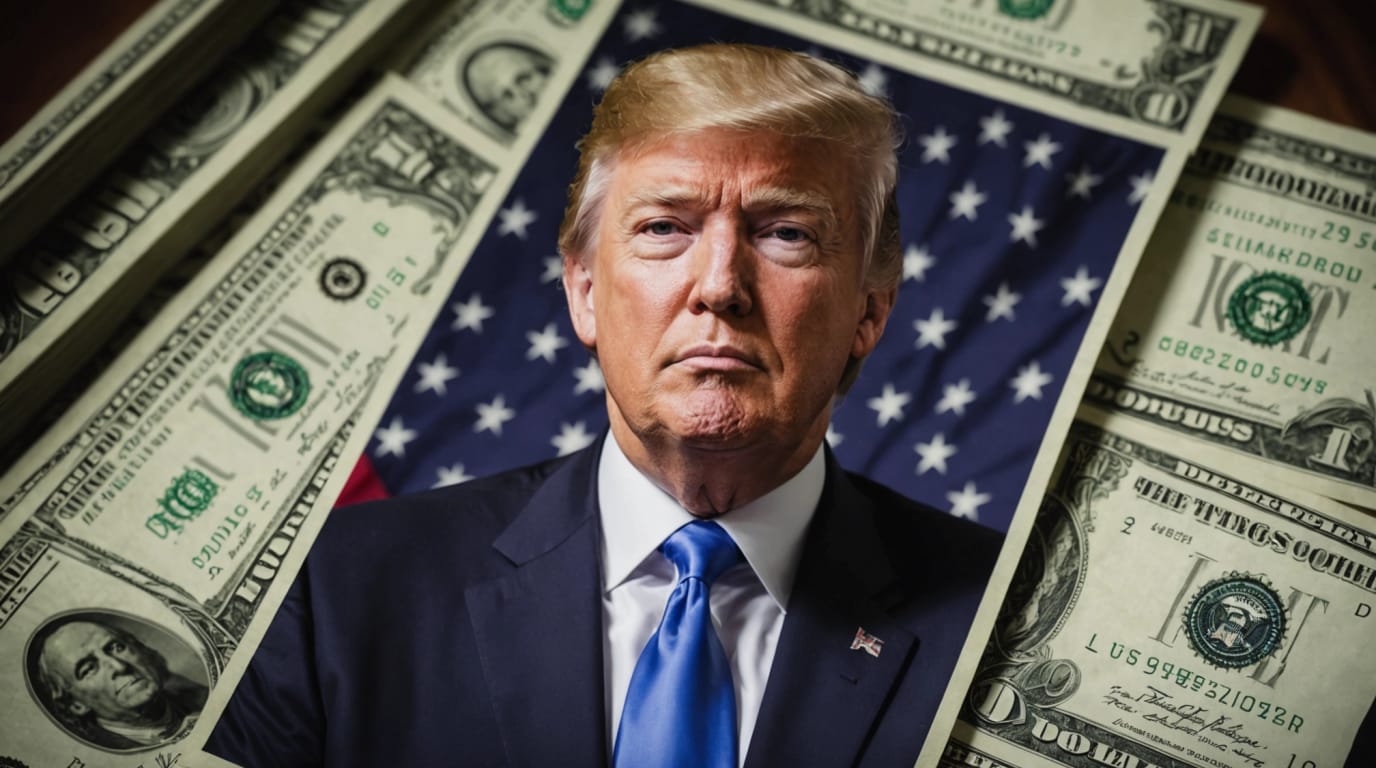
Wall Street experienced a significant downturn Monday as stocks and the dollar slid amid renewed attacks by President Donald Trump on the Federal Reserve and its chair, Jerome Powell. The market reaction reflects growing unease about the U.S. economy and the potential impact of political pressure on the central bank's independence.
Market Plunge Follows Trump's Comments
U.S. equities opened lower, and the sell-off intensified after Trump's latest remarks targeting Powell. In a post on his Truth Social platform, Trump urged Powell to lower interest rates immediately to stimulate the economy, labeling him "Mr. Too Late." The S&P 500 fell 2.5% in late-morning trading, with nearly all its constituent stocks in the red. The tech-heavy Nasdaq Composite dropped 2.9%. The Dow Jones Industrial Average opened below 500 points.
Dollar Weakens, Gold Rises
The dollar also felt the impact of the market turmoil, falling as much as 1.5% to a three-year low against a basket of key trading partners. The euro gained 0.9% to $1.15, while the yen strengthened 0.9% against the dollar. Investors seeking safe-haven assets drove gold prices to record highs, benefiting shares of mining companies.
Concerns Over Fed Independence
Trump has repeatedly criticized Powell for not lowering interest rates quickly enough. Powell has maintained that he will not be influenced by political pressure. This ongoing conflict has raised concerns about the Fed's independence, a crucial factor for maintaining investor confidence and economic stability.
Chicago Federal Reserve President Austan Goolsbee addressed these concerns, expressing hope that the U.S. is not moving toward a situation where the central bank's ability to set monetary policy independently is questioned.
Broader Economic Uncertainty
The market's negative reaction is also tied to broader economic uncertainties, including the ongoing impact of Trump's tariffs. These tariffs have already roiled financial markets and triggered a sell-off in Treasuries and the dollar, casting doubt on the safe-haven status of U.S. assets.
Thierry Wizman, global foreign exchange and interest rate strategist at Macquarie, attributed the "flight from the dollar" to growing concerns over the Fed's independence and the lack of progress on trade deals. He also cited the "worsening" growth outlook and a waning willingness to curb inflation as contributing factors.
Global Impact and Analysis
The repercussions of Trump's actions extended beyond U.S. markets. Asian equities and U.S. stock futures also declined, while gold prices surged. Charu Chanana, chief investment strategist at Saxo in Singapore, noted that markets were already on edge due to escalating geopolitical tensions, and Trump's potential interference with the Fed added another layer of uncertainty.
Conclusion: A Jolt to Investor Confidence
President Trump's renewed attacks on the Federal Reserve have injected fresh volatility into the markets, exacerbating existing anxieties about tariffs and economic growth. The decline in stocks and the dollar reflects a loss of investor confidence in U.S. assets and growing concerns about the Fed's independence. The situation underscores the delicate balance between political influence and monetary policy, and the potential consequences of disrupting that balance.