Strait of Hormuz Crisis Escalates: Trump Laments Allied Reluctance Amid Global Energy Shock
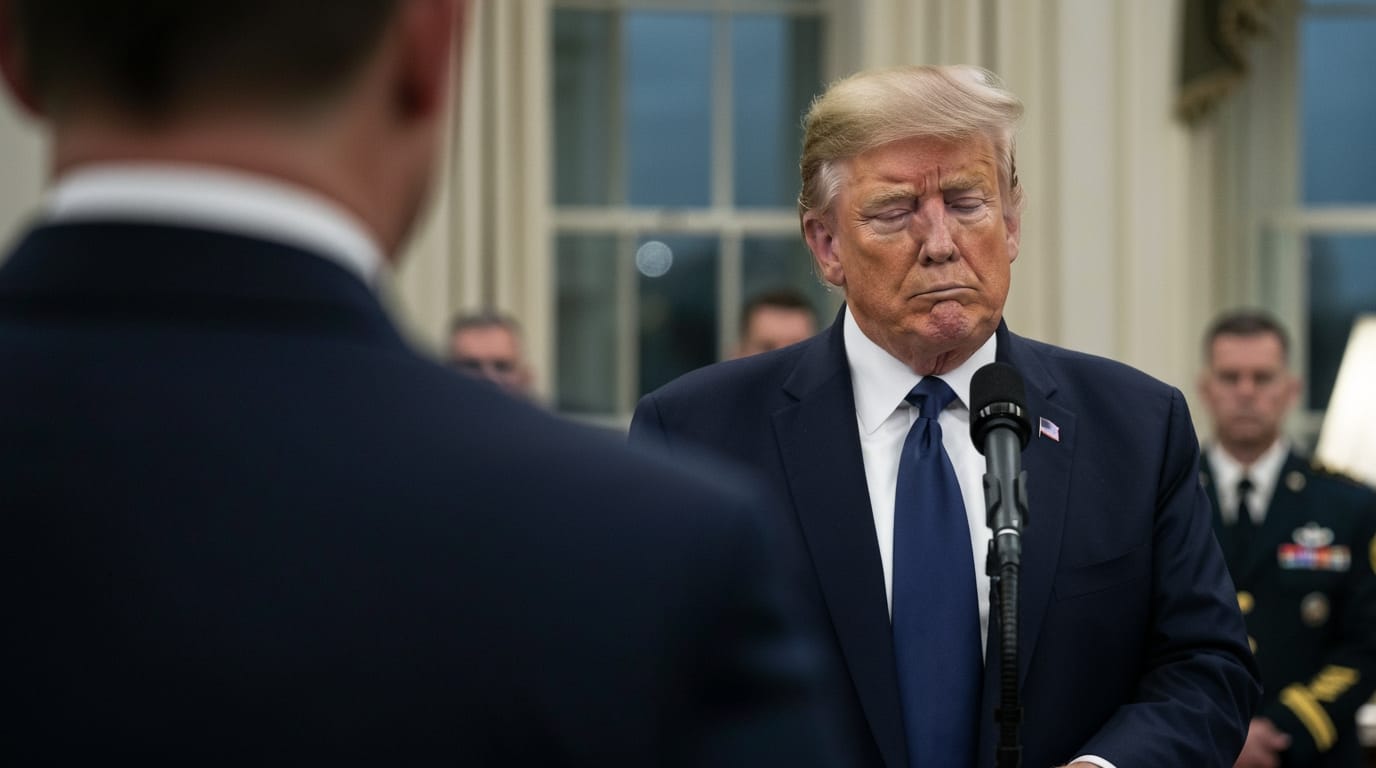
Global energy markets are in turmoil as the conflict between the United States, Israel, and Iran intensifies, leading to a significant disruption of shipping through the strategically vital Strait of Hormuz. U.S. President Donald Trump has voiced strong criticism regarding the lack of support from international allies in securing the critical waterway, which has seen commercial traffic plunge and global oil prices surge by approximately 40% since hostilities began. The ongoing crisis underscores persistent geopolitical fissures and the complex challenges of collective security in a volatile region.
Escalation and the Chokepoint's Closure
The current maritime crisis in the Persian Gulf follows weeks of escalating tensions that culminated in U.S. and Israeli military strikes against Iranian assets, triggering swift retaliation from Tehran. These large-scale operations, which commenced in late February, have targeted Iranian military facilities and leadership, with Iran responding by striking U.S. military installations and energy infrastructure in Gulf states. Compounding the regional instability, Israel has also increased its airstrikes in Lebanon, reportedly in response to Hezbollah's rocket fire.
At the heart of the crisis is the Strait of Hormuz, a narrow maritime chokepoint through which approximately one-fifth of the world's global oil exports typically pass daily. Since the outbreak of conflict, Iran has effectively closed the strait to U.S. and allied traffic, though its Foreign Minister, Abbas Araghchi, indicated that non-belligerent nations could transit with coordination and permission from Iranian armed forces. This stance has led to a dramatic reduction in commercial shipping, with over a dozen attacks reported on oil tankers and other cargo vessels in the Persian Gulf and Arabian Sea within the past two weeks. Notably, the Portuguese-flagged, Israeli-owned container ship MSC Aries was seized in the strait in 2024, and nine commercial ships have reportedly been attacked in the strait region in the days following the initial U.S.-Israeli offensive. The resulting de facto blockade has triggered a global energy shock, prompting the International Energy Agency to release strategic reserves and sending oil prices soaring.
Trump's Call for a Multinational "Hormuz Coalition"
Against this backdrop of heightened insecurity and economic instability, President Trump has repeatedly urged international partners to contribute naval assets to help secure the Strait of Hormuz. In recent statements, Trump has criticized the perceived lack of "enthusiasm" among U.S. allies for joining a multinational effort to protect shipping lanes. He has publicly called upon nations such as China, France, Japan, South Korea, and the United Kingdom to deploy warships to the region, emphasizing their reliance on the strait for energy supplies.
President Trump conveyed that the North Atlantic Treaty Organization (NATO) faced a "very bad" future if its members failed to assist in reopening the strait, further pressuring key allies. He also suggested that he might cancel an upcoming summit with Chinese President Xi Jinping if Beijing does not exert its influence to unblock the vital waterway. Despite these appeals, reports indicate that the Trump administration had previously rebuffed diplomatic initiatives by some Middle Eastern allies aimed at de-escalating the conflict. Paradoxically, U.S. Treasury Secretary Scott Bessent disclosed that the United States is currently allowing Iranian oil tankers to transit the Strait of Hormuz to prevent an even greater global oil supply shock.
Allied Hesitation and Divergent Strategies
The U.S. call for a broader coalition has met with significant reluctance and skepticism from several key allies. Germany's defense minister openly questioned the utility of a "handful or two handfuls of European frigates" when compared to the formidable U.S. Navy, firmly stating that "this is not our war; we have not started it". Similar sentiments suggesting non-intervention have reportedly emerged from Spain, Italy, and Australia, highlighting a significant divergence in how allies perceive their roles and responsibilities in the escalating conflict.
The lack of immediate commitments from countries like France, Japan, South Korea, and the United Kingdom has underscored the challenges of burden-sharing within international alliances, particularly when the perceived national interests or origins of a conflict vary. While the European Union's foreign policy chief, Kaja Kallas, suggested the bloc was considering modifications to its naval mission in the Middle East to protect shipping, concrete commitments for direct intervention in the Strait of Hormuz remain elusive. China's position has been particularly nuanced; while President Trump threatened diplomatic repercussions, some reports suggest that tankers carrying oil to China have been permitted safe passage through the strait, even as other vessels face attacks.
The Strait: A Critical Lifeline and Historical Precedent
The Strait of Hormuz, linking the Persian Gulf with the Arabian Sea, is not merely a strategic waterway but an economic artery indispensable to global trade, especially for hydrocarbon exports. Its narrowest point, just 21 miles wide, makes it highly vulnerable to disruption, a fact that Iran has historically exploited as leverage in geopolitical disputes. Iran's capabilities in the strait include the potential use of naval mines, anti-ship cruise missiles, drones, fast-attack boats operated by its Revolutionary Guards, and remote-controlled explosive vessels. These threats have historically led to various incidents, including the mining of shipping lanes and harassment of naval vessels.
The current crisis echoes historical precedents, such as the "Tanker War" during the Iran-Iraq War in the 1980s. In 1987, the U.S. Navy undertook extensive escort operations for Kuwaiti tankers through the Persian Gulf and Strait of Hormuz to safeguard commercial shipping against Iranian attacks, demonstrating the significant military undertaking required to ensure safe passage. The complexities are further compounded by legal ambiguities surrounding transit passage rights in international straits during armed conflict, as international law governing such situations is subject to differing interpretations among maritime nations and belligerent states.
An Unfolding Crisis of International Burden-Sharing
The unfolding situation in the Strait of Hormuz presents a critical test of international cooperation and collective security. President Trump's appeals highlight a fundamental tension between the global reliance on a secure energy supply and the willingness of nations to commit military resources to volatile regions. The reluctance of several allies to engage militarily, citing the conflict's origins and their own strategic considerations, underscores the complex dynamics of burden-sharing in modern international relations.
As the conflict between the U.S., Israel, and Iran continues to rage, the immediate future of global oil supplies and maritime security in the Gulf remains precarious. The crisis reveals that while the strategic importance of the Strait of Hormuz is universally acknowledged, the path to ensuring its unimpeded flow is fraught with geopolitical challenges and a profound disagreement over who bears the primary responsibility for its protection. The world watches as diplomatic efforts struggle to gain traction against escalating military engagements, leaving the global economy susceptible to continued energy shocks.