Sudan Accuses UAE of Fueling Darfur 'Genocide' at International Court of Justice
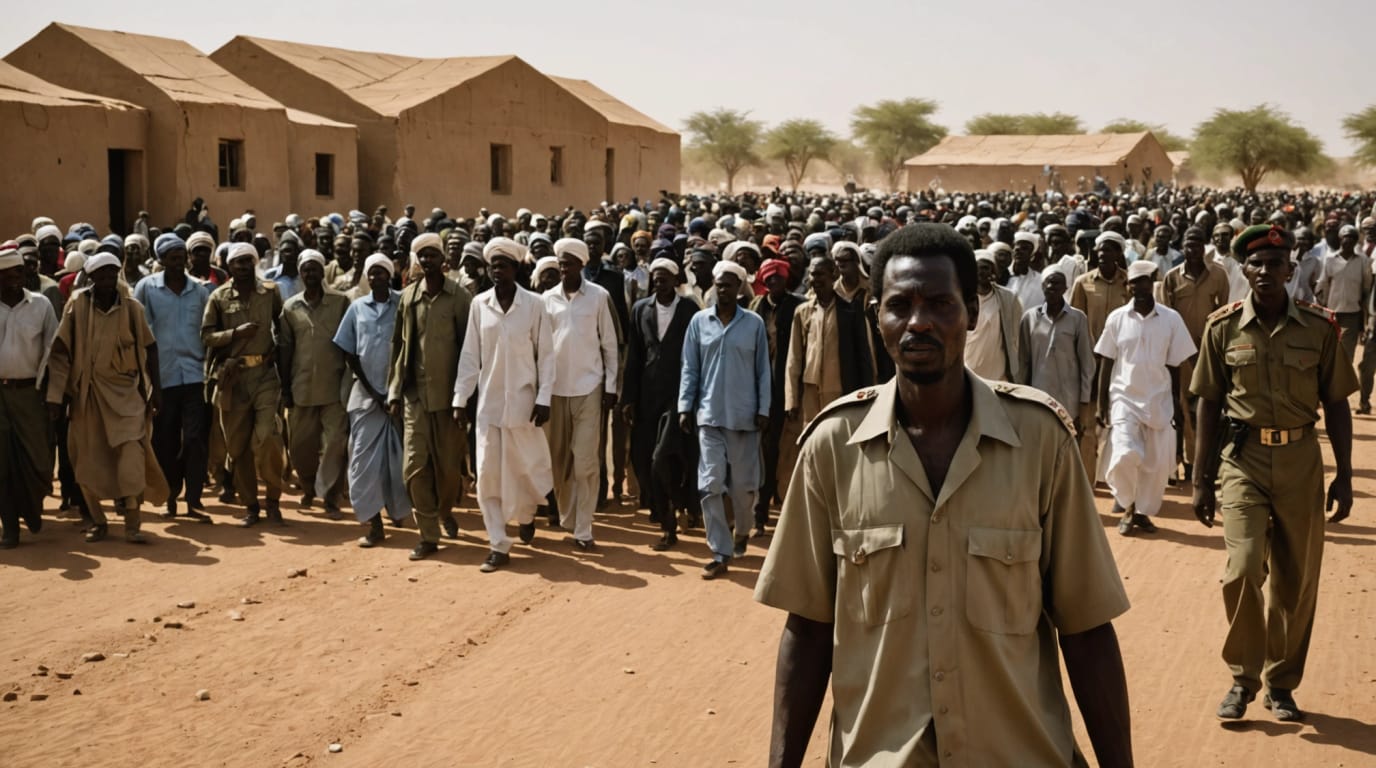
THE HAGUE – Sudan has formally accused the United Arab Emirates of complicity in genocide, alleging that the UAE's support of paramilitary forces is fueling atrocities in the Darfur region. The accusations were presented at the International Court of Justice (ICJ) on Thursday, marking a significant escalation in the diplomatic fallout from Sudan's ongoing civil war.
Sudan's complaint centers on the actions of the Rapid Support Forces (RSF), a paramilitary group currently embroiled in a violent conflict with the Sudanese army. The Sudanese government alleges that the UAE has been providing the RSF with substantial financial and military assistance, effectively enabling the group to carry out widespread human rights abuses, including acts of genocide against the Masalit ethnic group in West Darfur. The UAE has vehemently denied these charges, dismissing them as a politically motivated attempt to deflect attention from the Sudanese Armed Forces' own alleged atrocities.
Allegations of UAE Support for RSF
Sudan's acting Justice Minister, Muawia Osman, told the ICJ that the UAE's support for the RSF has been the "primary driving force" behind the alleged genocide. According to Sudan, this support includes the provision of arms, logistical assistance, and financial resources, all of which have enabled the RSF to perpetrate violence against civilians. The specific acts cited by Sudan include the killing of civilians, rape, forced displacement, and looting. The Sudanese government claims to possess evidence of the UAE's involvement, which it intends to submit to the International Criminal Court.
The accusations come amidst a backdrop of increasing international concern over the escalating violence in Sudan, particularly in the Darfur region. The conflict, which erupted in April 2023, has resulted in a dire humanitarian crisis, with millions of people displaced and widespread reports of human rights abuses. The Darfur region, in particular, has a long history of ethnic conflict, and the current violence has raised fears of a repeat of the genocide that occurred in the early 2000s.
UAE Denies Involvement, Claims Political Motivation
The United Arab Emirates has strongly refuted Sudan's allegations, characterizing them as a "cynical and baseless PR stunt." Reem Ketait, a top official at the UAE Ministry of Foreign Affairs, told journalists that the case was a "blatant misuse of a respected international institution" and argued that the ICJ lacked jurisdiction to hear the case. The UAE maintains that its actions in Sudan are aimed at promoting peace and stability, and that it is committed to supporting a negotiated resolution to the conflict.
The UAE has also accused the Sudanese government of attempting to deflect attention from its own human rights record. Ketait argued that the Sudanese Armed Forces have been responsible for numerous atrocities during the conflict and that the government is using the ICJ case to distract from these allegations. The UAE has called for an immediate ceasefire and a commitment from both sides to negotiate a peaceful settlement to the conflict.
The Masalit Genocide Claim
The heart of Sudan's case rests on the claim that the RSF, with the alleged support of the UAE, has committed genocide against the Masalit ethnic group in West Darfur. The Masalit have been targeted in a series of attacks that have resulted in the deaths of thousands of people and the displacement of hundreds of thousands more. Eyewitness accounts describe horrific acts of violence, including mass killings, rape, and the burning of villages.
In January 2025, the United States determined that the attacks against the Masalit constituted genocide. This determination has added weight to Sudan's case at the ICJ and has increased international pressure on the UAE to address the allegations against it. However, proving genocide in an international court is a complex and challenging legal undertaking, requiring evidence of intent to destroy a protected group.
ICJ Proceedings and Potential Outcomes
Sudan has asked the ICJ to issue emergency preventative orders, which are designed to prevent the dispute between the states from escalating while the case is being heard. These orders could include a demand that the UAE cease its support for the RSF and take steps to prevent further violence against the Masalit. The judges are expected to rule on the request for emergency measures within a few weeks.
However, legal experts suggest the ICJ may ultimately reject the case due to jurisdiction issues stemming from the UAE's reservations on the genocide treaty. The UAE signed the genocide treaty but made reservations to the court's legal power to rule on disputes. As cases before the ICJ can take years to reach a final conclusion, the immediate impact of Sudan's legal challenge remains uncertain.
Implications for Sudan and the Region
The accusations against the UAE have further complicated the already complex situation in Sudan. The conflict between the Sudanese army and the RSF has created a humanitarian crisis, and the allegations of foreign interference have raised concerns about the potential for a wider regional conflict. The outcome of the ICJ case could have significant implications for the future of Sudan and for the relationship between Sudan and the UAE.
Regardless of the legal outcome, the accusations have already damaged the UAE's reputation and have increased scrutiny of its role in the Sudanese conflict. The case also highlights the challenges of addressing human rights abuses in conflict zones and the difficulties of holding states accountable for their actions. The international community faces a daunting task in finding a peaceful resolution to the conflict in Sudan and in ensuring that those responsible for atrocities are brought to justice.