Syria's Interim President Establishes National Security Council Amidst Ongoing Transition
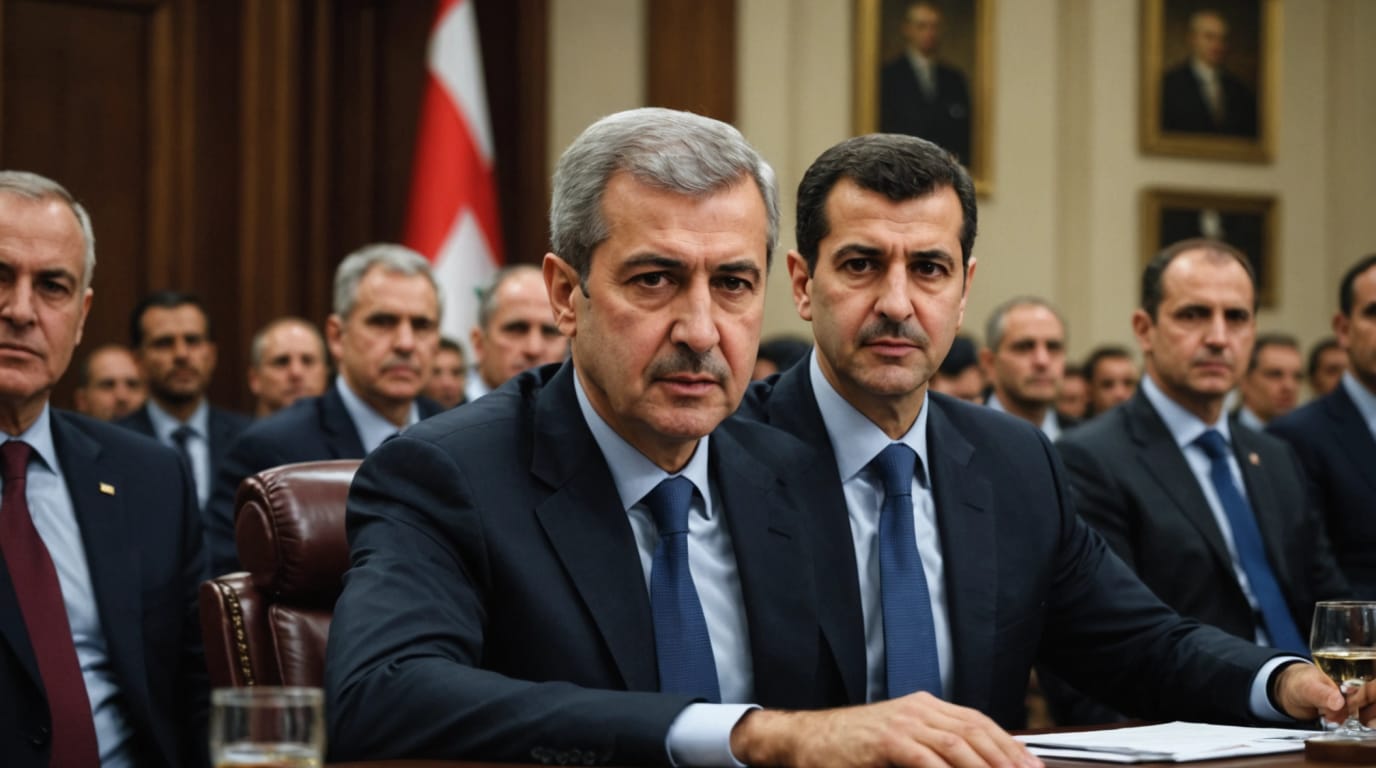
DAMASCUS – In a move aimed at bolstering security coordination and navigating the complex political landscape, Syria's interim President Ahmed al-Sharaa issued a presidential decree Wednesday establishing a National Security Council. The newly formed council is designed to address the multifaceted security and political challenges facing the nation as it continues its transitional phase.
The establishment of the National Security Council marks a significant step in Syria's efforts to stabilize the country after more than a decade of civil war. The council's primary responsibility will be to coordinate national security policies and tackle the various security and political hurdles that stand in the way of a lasting peace. This initiative comes as the interim government seeks to consolidate its authority, disarm armed factions, and reconstruct the nation.
Council Composition and Responsibilities
According to the presidential decree, the National Security Council will be chaired by the president himself, Ahmed al-Sharaa. The council's membership will include key figures from the interim government, such as the ministers of foreign affairs, defense, and interior, as well as the director of general intelligence. In addition to these core members, the president will appoint two advisors based on their experience and expertise. A technical advisor specializing in technical and scientific affairs will also be part of the council.
The council is expected to convene on a regular basis, or at the president's request, to discuss and make decisions collectively. The decree emphasizes that the council's responsibilities will align with Syria's supreme national interests, ensuring effective coordination among various state institutions. The council will be responsible for coordinating and managing security and political policies.
Addressing Security Concerns and Political Instability
The formation of the National Security Council comes at a critical time for Syria. The country continues to grapple with the aftermath of a devastating civil war, with various armed groups and factions maintaining strong regional footholds. The interim government faces the daunting task of restoring order, disarming these groups, and creating a unified national identity.
The need for enhanced national security has become increasingly apparent in recent weeks, particularly following a wave of violence targeting members of the Alawite minority, to which ousted leader Bashar al-Assad belongs. Reports indicate that nearly 1,400 civilians have been killed in attacks involving both security forces and armed groups. Interim President al-Sharaa, who leads the rebel group HTS (Hayat Tahrir al-Sham), has stated that minority groups and religious communities will be protected.
A Break From the Past
The establishment of a National Security Council represents a departure from the practices of the previous regime. Under Bashar al-Assad, there was no official national security council. The new council is intended to provide a more structured and transparent approach to addressing the country's security challenges.
Experts suggest that the council will play a crucial role in shaping Syria's security strategies and responses to both domestic and foreign threats. By bringing together key government officials and advisors, the council aims to foster better coordination and collaboration in addressing the complex issues facing the nation.
Challenges and the Path Forward
While the formation of the National Security Council is a positive step, significant challenges remain. The interim government must work to gain the trust of the Syrian people, particularly those who have been marginalized or affected by the conflict. The council will need to demonstrate its commitment to protecting the rights of all citizens and promoting a more inclusive and equitable society.
The success of the National Security Council will also depend on the ability of the interim government to address the underlying causes of instability in Syria. This includes tackling issues such as poverty, unemployment, and corruption, as well as promoting reconciliation and healing among different communities.
Conclusion
The establishment of the National Security Council marks a significant milestone in Syria's ongoing transition. By creating a dedicated body to coordinate national security policies and address the country's challenges, the interim government is taking a proactive approach to stabilizing the nation and building a more secure future for its citizens. While challenges remain, the formation of the council represents a step in the right direction towards a more peaceful and prosperous Syria.