Tehran's Demands Echo Amidst War and Diplomatic Brinkmanship with Washington
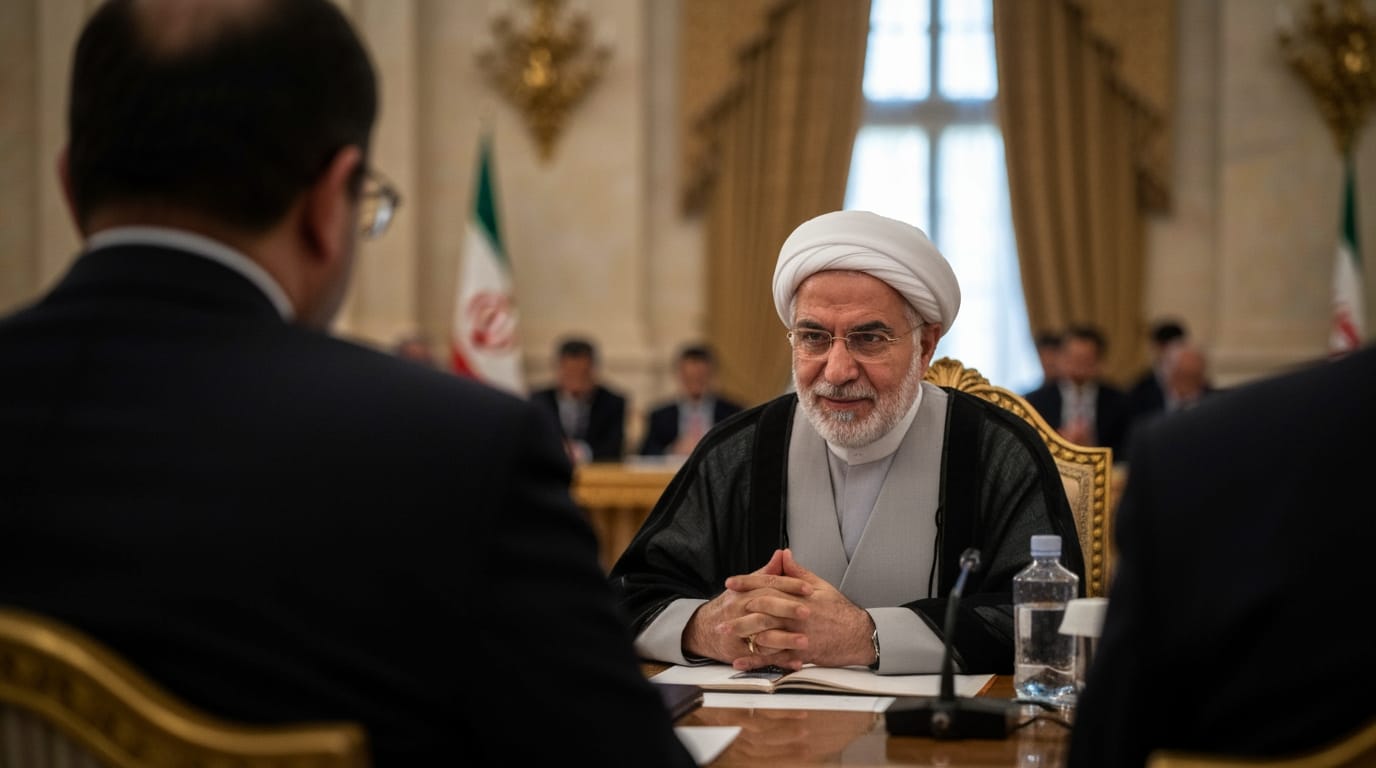
As the fragile two-week ceasefire between the United States and Iran nears its April 21 expiration, Tehran enters fresh negotiations with a clear, albeit ambitious, set of demands. These talks unfold against a backdrop of escalating military conflict, a crippling U.S. naval blockade, and a deepening humanitarian crisis, making the stakes higher than ever for both sides. While global markets anxiously eye the potential for a lasting peace, Iran's leaders appear unwavering in their core expectations, seeking not just a cessation of hostilities but a fundamental shift in regional power dynamics and economic relief.
The current diplomatic efforts, primarily facilitated by Pakistan and other intermediaries, represent a desperate push to avert further catastrophic escalation in a conflict that began with U.S. and Israeli airstrikes on February 28, 2026. These strikes targeted military and government sites, including the assassination of Supreme Leader Ali Khamenei, triggering Iranian retaliation and the closure of the Strait of Hormuz—a crucial global shipping lane. Now, with a U.S. naval blockade in place, the resumption of talks offers a narrow path to de-escalation, but Tehran's terms highlight the deep chasm that negotiators must bridge.
The Weight of Sanctions and the Nuclear Conundrum
At the forefront of Iran's expectations is the immediate and comprehensive lifting of all U.S. primary and secondary sanctions. Years of stringent economic penalties have severely impacted Iran's economy, leading to a financial crisis and damaging infrastructure. Tehran views sanctions relief not as a concession, but as a necessary condition for any enduring agreement, insisting that the economic pain must cease. Coupled with this is the demand for the release of frozen Iranian assets held abroad, funds that could be vital for national reconstruction and economic stability in the aftermath of the conflict.
A central and enduring sticking point remains Iran's nuclear program. While the U.S. has consistently demanded the complete cessation of uranium enrichment on Iranian soil and the dismantlement of major enrichment facilities, Tehran maintains its right to enrich uranium for non-military purposes, citing its obligations as a signatory to the Non-Proliferation Treaty. Iranian officials have also expressed a need to retain a portion of their highly enriched uranium stockpile for medical research. This contrasts sharply with American and Israeli objectives, which aim for "zero enrichment" in Iran and the removal of all highly enriched uranium from the country. The chasm between a U.S. proposal for a 20-year suspension of nuclear activity and Iran's counter-offer of five years illustrates the significant hurdles in this critical area.
Sovereignty Over Hormuz and Regional Security Guarantees
Another non-negotiable demand for Iran is the continued assertion of its control over the Strait of Hormuz. Following the initial U.S. and Israeli strikes, Iran responded by closing the strait, disrupting global trade and sending shockwaves through international energy markets. Despite the ongoing U.S. naval blockade, Tehran sees control of this strategic waterway as a critical leverage point and a matter of national sovereignty. Reports suggest Iran has even proposed charging a transit fee for vessels passing through the strait, with the revenue earmarked for reconstruction efforts. The U.S., conversely, aims to ensure freedom of navigation and has actively sought to reopen the strait, viewing Iran's actions as a violation of international norms.
Beyond economic and nuclear concerns, Tehran is also demanding robust security guarantees. Iran seeks an end to all attacks against its territory and its regional allies, as well as a U.S. military withdrawal from the Middle East. This reflects Iran's long-standing desire to reduce external military presence in the region and reshape the security architecture to one perceived as more favorable to its interests. The conflict has further solidified Iran's resolve in supporting its regional proxy groups, such as Hamas, the Houthis, Hezbollah, and Hashd al-Shaabi, even though the U.S. demands an end to such support. Moreover, Iran is pushing for a United Nations Security Council resolution to codify any agreement, seeking international legal backing to make future deals binding and prevent unilateral withdrawals, echoing the lessons learned from the unraveling of the 2015 Joint Comprehensive Plan of Action (JCPOA).
A Divided Negotiating Front and Uncertain Prospects
The internal dynamics within Iran present an additional layer of complexity to the negotiations. Reports indicate that the Iranian negotiating council is not unified, with conflicting messages emerging from different factions within the government, including the Islamic Revolutionary Guard Corps (IRGC), which appears to be playing an outsized role in decision-making. This internal disunity could make it challenging for Tehran to make swift decisions and implement compromises.
As the world watches the ongoing diplomatic dance, the prospects for a comprehensive agreement remain uncertain. The deep-seated mistrust between Washington and Tehran, exacerbated by the recent conflict, continues to hamper progress. While intermediaries like Pakistan, Oman, and Turkey work tirelessly to bridge the gaps, the stark differences in core demands on nuclear enrichment, regional influence, and economic leverage create a formidable challenge. The looming deadline of the ceasefire and the continued U.S. blockade add urgency to the discussions, pushing both sides to consider concessions amidst intense pressure. The outcome of these fresh talks will not only determine the immediate fate of the fragile ceasefire but could also profoundly reshape the geopolitical landscape of the Middle East for years to come.


