The Enduring Gallop: 2026 Marks Year of the Horse, Honoring a Six-Millennia Partnership
As the calendar turns to 2026, cultures worldwide will acknowledge the arrival of the Year of the Horse, a potent symbol in the Chinese zodiac. This celestial designation, appearing every 12 years, provides a timely opportunity to reflect on one of humanity's most transformative and enduring relationships: the profound bond with the horse. For over 6,000 years, from the vast steppes of Central Asia to the modern global arena, these magnificent animals have not merely been observers of human history but active architects, shaping civilizations, economies, and personal lives in ways few other species have.
The Energetic Spirit of 2026: A Fire Horse Year
The Chinese zodiac assigns specific characteristics to each animal, and the Horse, revered for its energy, intelligence, independence, and nobility, embodies a spirit of boundless enthusiasm and freedom. Individuals born under this sign are often considered to be lively, popular, and adept communicators, always on the move and eager for adventure. More specifically, 2026 will be a Fire Horse year, a rare combination occurring every 60 years and associated with even greater passion, boldness, and a powerful drive for success. This unique astrological alignment amplifies the core traits of the Horse, promising a period of dynamic progress and perhaps even impulsive change. The symbolic energy of the Fire Horse year mirrors the real-world impact horses have had throughout history, driving innovation, expansion, and often, conflict. This intrinsic connection between cultural symbolism and the lived reality of equine influence underscores the depth of their integration into the human narrative.
From Wild Prey to Indispensable Partner: The Dawn of Domestication
The story of humanity and the horse began not as a partnership, but as that of hunter and hunted. Early humans pursued wild horses for their meat and hides. However, around 3500-4000 BCE, a monumental shift occurred in the Pontic-Caspian Steppe, particularly within what is now Kazakhstan, with the Botai culture often cited as a key early adopter. Genetic evidence and archaeological findings, including ancient bits and evidence of milking, indicate this pivotal moment: the domestication of Equus ferus caballus. This was not a gradual taming but a revolutionary act, transforming horses from a food source into an invaluable living technology. Initially used for their milk and as pack animals, horses quickly demonstrated their potential for speed and endurance, becoming crucial for transportation, communication, and warfare. The ability to traverse vast distances quickly fundamentally altered trade routes, military strategies, and the very concept of geographical boundaries, effectively shrinking the known world for early civilizations and enabling unprecedented expansion.
Architects of Empire and Engines of Progress: Equines in Civilization
Once domesticated, horses rapidly became indispensable to nearly every facet of human advancement. In agriculture, their power enabled the plowing of larger fields and the more efficient transport of harvests, leading to significant increases in food production and supporting growing populations. In warfare, the introduction of horse-drawn chariots and later, cavalry, revolutionized combat, granting unparalleled mobility and shock tactics that shaped the rise and fall of empires, from the Assyrians and Egyptians to the Mongols, who forged the largest contiguous land empire in history largely on horseback. The Roman Empire's vast network of roads and rapid communication system relied heavily on horses.
Beyond conflict, horses were the primary engine of exploration and trade. They facilitated the legendary Silk Road, carrying goods, ideas, and cultures across continents. Explorers like Marco Polo and pioneers in the Americas depended on horses to navigate new territories. Closer to home, horses powered urban life, pulling trams, delivering goods, and serving as the backbone of emergency services before the advent of mechanized transport. Even into the Industrial Revolution, draft horses performed heavy labor in mines, factories, and lumberyards, bridging the gap between manual labor and steam power. Their strength and reliability were unmatched, underpinning economic growth and societal development for millennia.
The Modern Equine: Sport, Therapy, and Enduring Connection
As the 20th century progressed, the internal combustion engine and advanced machinery gradually supplanted horses in many of their traditional working roles. However, their significance did not wane; rather, it evolved. Today, the relationship between humans and horses is predominantly centered on sport, companionship, and therapeutic benefit. Equestrian disciplines, from Olympic show jumping and dressage to thoroughbred racing and rodeo, showcase the incredible athleticism, grace, and partnership between rider and horse. The global equine industry, encompassing breeding, training, veterinary care, equipment manufacturing, and tourism, is a multi-billion dollar enterprise, employing millions and supporting rural economies worldwide.
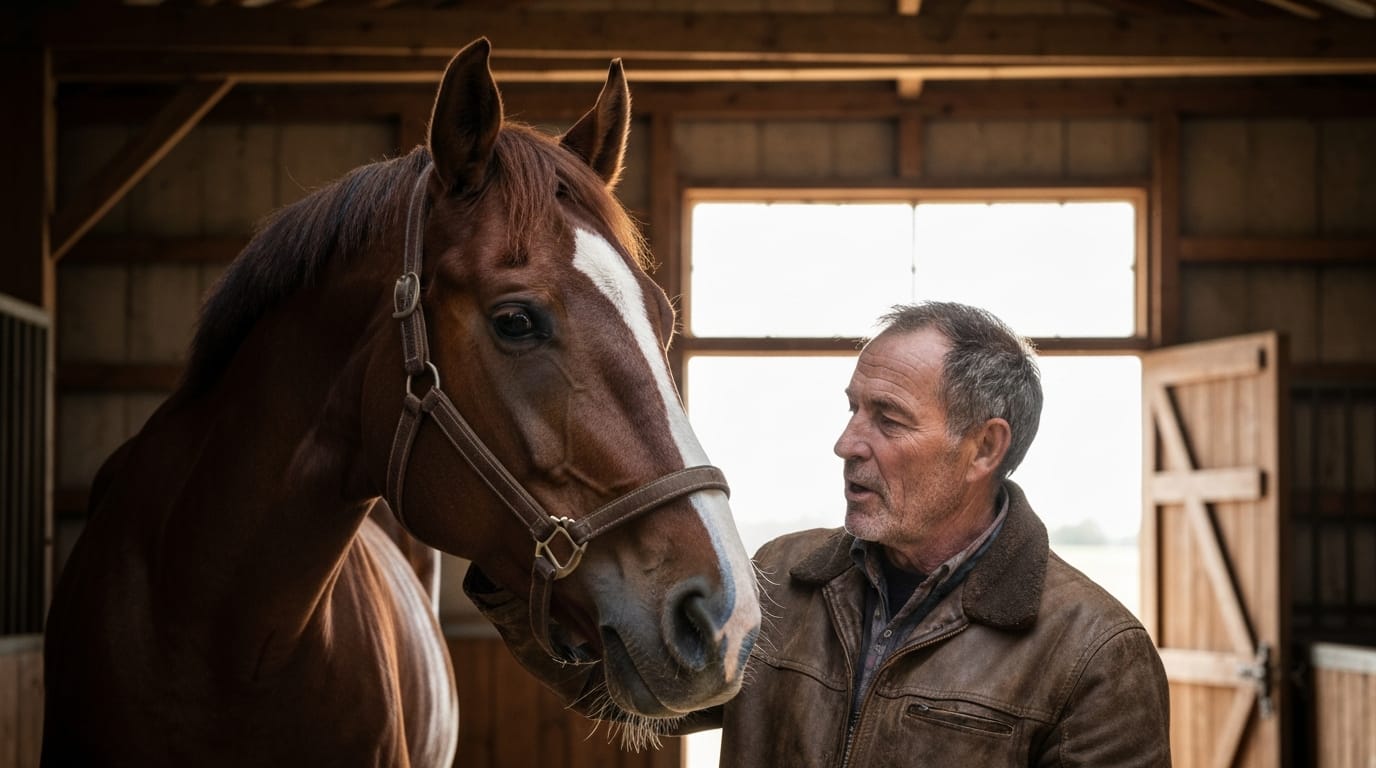
Beyond the competitive arena, horses have found a profound role in human well-being. Equine-assisted therapy, for example, utilizes the horse's gentle nature and unique ability to mirror human emotions to aid individuals with physical, cognitive, and emotional challenges. The rhythmic motion of riding can improve balance and muscle strength, while the interaction with a sentient, responsive animal can foster trust, communication, and self-esteem. This modern role highlights the enduring emotional and psychological bond, demonstrating that the horse's value extends far beyond its physical capabilities, touching the human spirit in deeply meaningful ways.
A Legacy That Continues to Gallop Forward
As the world prepares to welcome the Year of the Horse in 2026, it serves as a powerful reminder of an extraordinary partnership woven into the very fabric of human existence. From their pivotal role in agriculture, warfare, and exploration to their modern contributions in sport, therapy, and companionship, horses have been silent, yet profoundly influential, partners in humanity's journey. They have transported us, fed us, fought alongside us, and now, often, heal us. The characteristics attributed to the Horse – energy, spirit, and independence – are not just symbolic traits for a zodiac year; they are a reflection of the very qualities that have made these animals such indispensable allies across six millennia. The enduring gallop of human-equine history continues, a testament to a bond that is as vital and dynamic today as it was when the first horse was brought in from the wild steppe.