The Enduring Pillars: Unpacking the Forces Propelling Trump's MAGA Movement
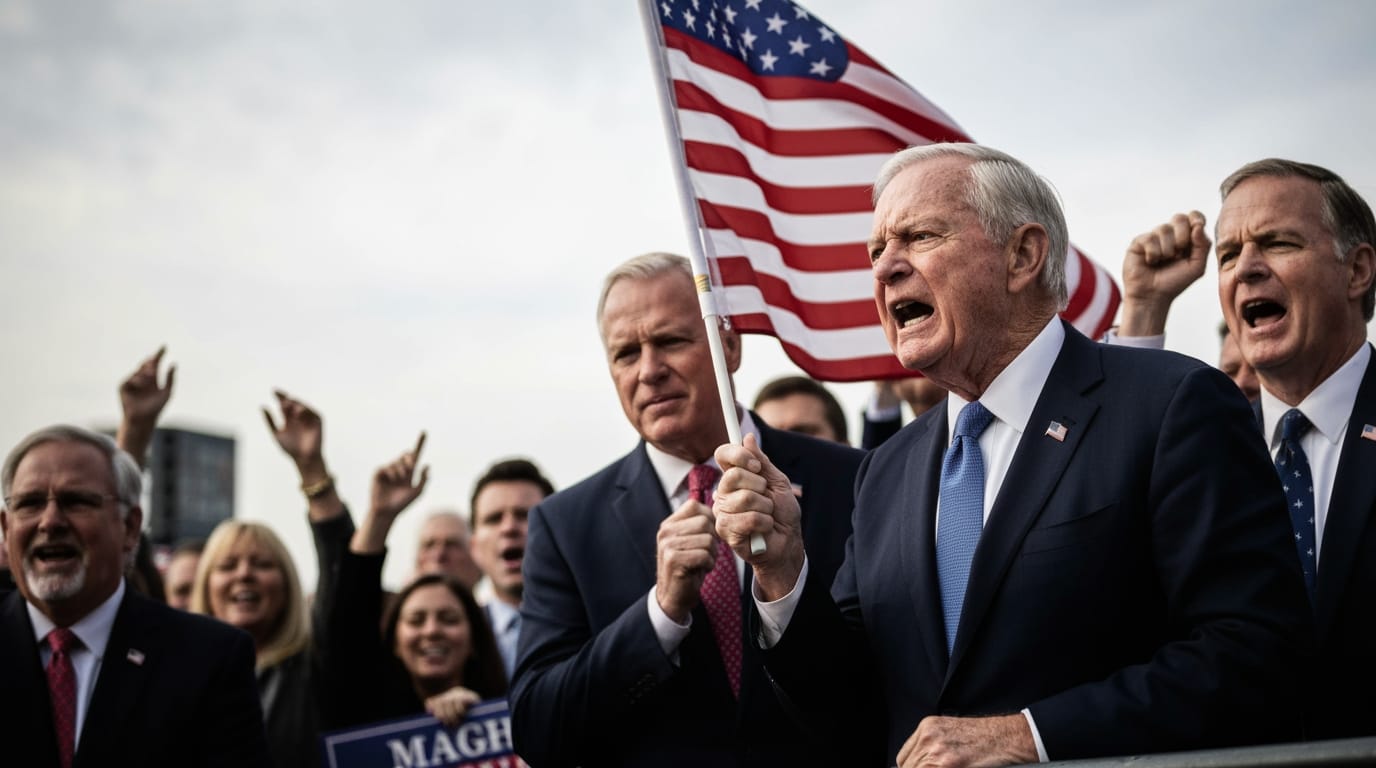
The "Make America Great Again" (MAGA) movement, initially conceived as a rallying cry during Donald Trump's 2016 presidential campaign, has evolved into a formidable and enduring force in American politics, reshaping the Republican Party and influencing national discourse. Far from a transient phenomenon, its sustained power stems from a complex interplay of ideological convictions, profound socioeconomic grievances, a carefully cultivated media ecosystem, and the unique personal appeal of its leader. Understanding these driving forces is crucial to comprehending the current landscape of American society and politics.
Ideological Bedrock: "America First" and Anti-Establishment Sentiment
At its core, the MAGA movement is built upon an "America First" ideology that prioritizes national interests, advocates for economic protectionism, and seeks to drastically reduce immigration. Adherents largely believe that the United States has declined from a past "greatness" due to foreign influence, both internally through multiculturalism and externally through globalization. This nativist political movement champions policies designed to protect domestic industries and jobs, often through tariffs and trade agreements favoring American businesses. Beyond economic nationalism, the movement emphasizes what it regards as traditional American values, with many supporters affiliated with evangelical denominations and advocating for conservative social policies.
A significant tenet of the MAGA ideology is its profound distrust of established institutions and mainstream narratives. Supporters frequently express skepticism towards mainstream media, viewing it as biased against their perspectives, and are often receptive to theories regarding election fraud or "deep state" corruption. This anti-establishment fervor sees the federal government, particularly unelected civil servants, as controlled by "Democratic elites" and part of a "deep state" arrayed against ordinary Americans. The movement often frames political opponents not merely as wrong, but as "enemies," fostering a combative character that defines contemporary political partisanship.
Socioeconomic Undercurrents and Cultural Anxiety
The MAGA movement draws substantial support from demographics characterized by specific socioeconomic and cultural factors. A significant portion of its base comprises conservative white working-class voters, particularly those in rural communities and small towns, who often lack a four-year college degree. These individuals often feel a sense of economic grievance, stemming from stagnant wages, rising costs of living, and a perception that political elites in Washington are not addressing their concerns. While economic anxieties contribute to the movement's appeal, research suggests that cultural attitudes, particularly those related to immigrants, Muslims, minorities, and feminist women, also play a significant role.
The movement also taps into anxieties about perceived threats to the dominant culture and traditional way of life. The term "woke" has been repurposed by the right as a derogatory label for progressive political and cultural causes, reflecting a broader "Cold Civil War" narrative. This sentiment of cultural displacement and a desire to maintain the social and cultural status quo can push individuals towards right-wing movements. While traditionally drawing heavily from an older, white base, recent electoral analyses indicate that the movement has made some inroads, albeit small, with Hispanic and Black voters, particularly younger Black men.
The Amplifying Echo Chamber: Media and Digital Strategies
A critical component in sustaining the MAGA movement is its sophisticated and often antagonistic relationship with media. Donald Trump and his supporters have frequently accused major news networks and newspapers of spreading falsehoods and bias, leading to a profound distrust of mainstream media within the movement. This skepticism has fostered a reliance on conservative media outlets, including talk radio, cable news, and digitally native platforms, which cater to and reinforce the movement's perspectives. These outlets have been instrumental in shaping narratives, disseminating information, and mobilizing the base, often by framing conservative ideas as a counter to perceived liberal bias.
Social media plays a direct and significant role in MAGA's outreach and internal cohesion. Platforms are utilized for direct engagement with supporters, memeification of political messages, and bypassing traditional media gatekeepers. This digital ecosystem, however, is not without external influence; reports indicate that foreign actors use bots and other tactics to inject extreme rhetoric and attempt to divide MAGA supporters online. The effectiveness of these media strategies lies in their ability to create an echo chamber where information aligns with existing beliefs, fostering a strong sense of community and shared purpose among adherents.
The Charismatic Core: Donald Trump's Personal Appeal
Central to the MAGA movement's power is the enduring and unique personal appeal of Donald Trump. His leadership style has been described as "personalistic," where supporters exhibit intense loyalty to him rather than solely to the Republican Party. Trump's image as an "outsider" and a "businessman, not a politician," resonates deeply with voters who perceive him as unburdened by political norms and willing to challenge the establishment. This perception allows him to position himself as a symbol against the "deep state," an intrusive federal government, and perceived widespread corruption.
His communication style, characterized by directness and often combative rhetoric, is interpreted by supporters not as a flaw but as a sign of authenticity and strength. This willingness to offend, particularly when directed at perceived enemies or cultural elites, is often valorized within the movement. The relationship between Trump and his followers is often described as symbiotic, with both mutually reinforcing each other's convictions. This strong emotional identification with Trump, coupled with a shared sense of grievance and defiance, leads many to view him not just as a candidate, but as a figure who articulates their alienation and is under siege by a rigged system. This dynamic has led some observers to compare his political base to a cult of personality.
Conclusion: A Resilient and Evolving Force
The forces driving Trump's MAGA movement are multifaceted and deeply rooted in both contemporary anxieties and historical populist traditions. It is a powerful blend of "America First" nationalism, economic protectionism, cultural conservatism, and a profound distrust of established institutions. This ideology is fueled by the socioeconomic grievances of segments of the American population and amplified by a dedicated media ecosystem that reinforces its narratives. At its heart lies the charismatic and personalistic leadership of Donald Trump, whose appeal to a sense of shared victimhood and defiance has forged an intensely loyal base. As this movement continues to evolve, its impact on American politics, social cohesion, and the future direction of the Republican Party remains a subject of ongoing analysis and significant national consequence.