The Inseparable Game: Andreas Rettig on Navigating Sports and Politics
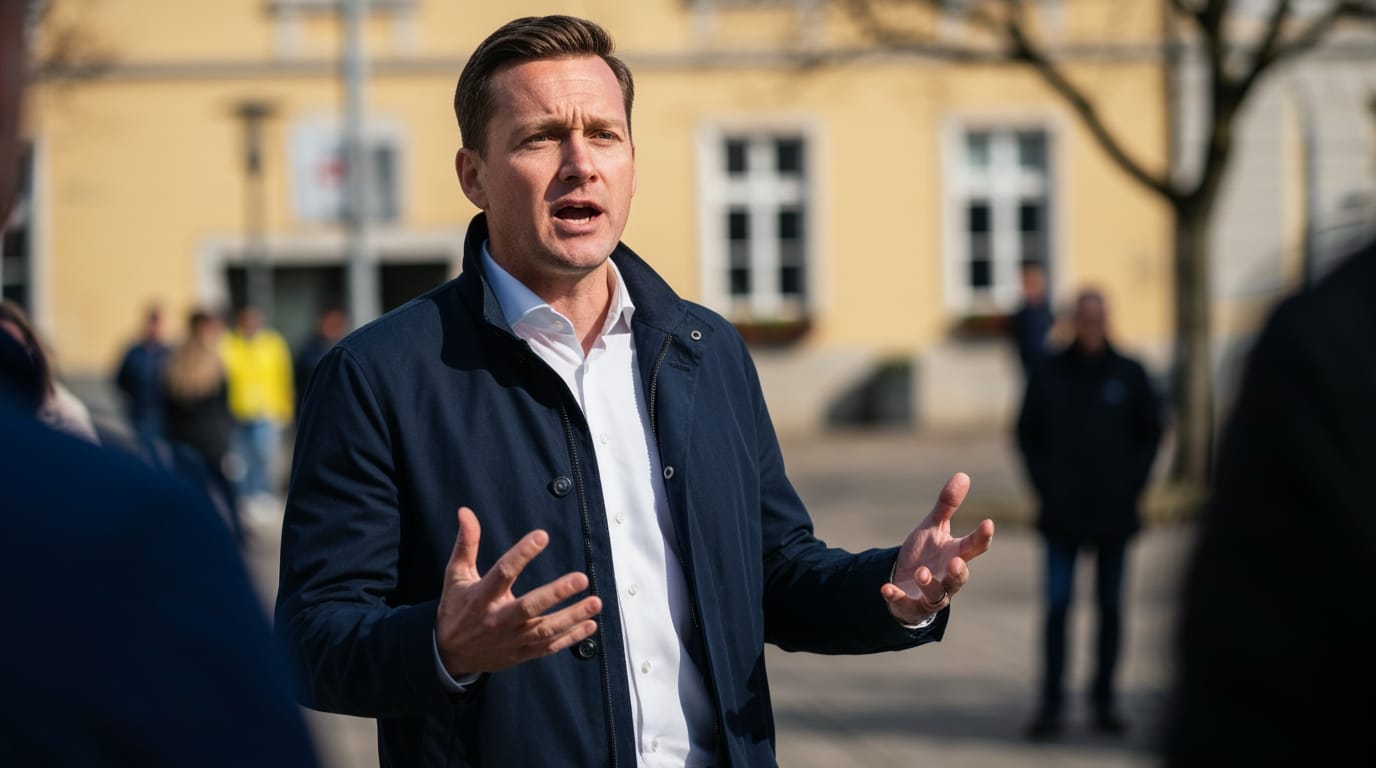
In the dynamic world of international football, where national pride, global economics, and social issues frequently converge, the notion that sports and politics exist in separate spheres has increasingly come under scrutiny. Andreas Rettig, the German Football Association (DFB) Director of Football, stands as a prominent figure advocating for a pragmatic approach to this complex relationship. His assertions underscore a fundamental truth: the two are inextricably linked, and ignoring this reality carries significant consequences for sporting integrity and performance.
The Enduring Intertwine: A Historical Perspective
The intersection of sports and politics is not a modern phenomenon but a deeply rooted aspect of human history. From ancient Olympic truces to contemporary protests, athletic contests have often mirrored, influenced, and sometimes even instigated political movements. Jesse Owens' triumphs at the 1936 Berlin Olympics, for instance, directly challenged Nazi ideology, transforming a sporting event into a powerful political statement against racial supremacy. Similarly, Jackie Robinson's breaking of the color barrier in baseball transcended mere sport, becoming a pivotal moment in the American civil rights movement. Decades later, Tommie Smith and John Carlos' Black Power salute at the 1968 Mexico City Olympics brought global attention to racial injustice, demonstrating the potent platform athletes command.
Beyond individual athlete activism, sports have served as instruments of national policy. Boycotts of the Olympic Games in Moscow (1980) and Los Angeles (1984) were direct political actions, as was the international sporting community's exclusion of apartheid-era South Africa. Even the awarding of major events, such as the FIFA World Cup to Qatar in 2022, carries inherent political dimensions, inviting scrutiny over human rights, labor practices, and cultural sensitivities. These examples illustrate that sports, far from being an apolitical escape, are often a stage where geopolitical narratives are enacted and challenged. The argument that sports and politics should remain separate often overlooks this pervasive historical entanglement and can even, according to some analyses, create an environment ripe for corruption by reducing accountability.
Rettig's Pragmatic Stance: Managing the Nexus for Performance
Andreas Rettig, with a career spanning decades in various leadership roles within German football, including as DFL CEO and manager for several Bundesliga clubs, brings a wealth of experience to his current position as DFB Director of Football. He recognizes that while sports are inherently political, the manner in which political issues are addressed by sporting organizations and teams can significantly impact focus and performance.
Following the German national team's experience at the 2022 World Cup in Qatar, where debates around human rights and armband protests became a considerable distraction, Rettig has emphasized the need for a proactive and strategic approach. His objective is not to silence political expression entirely but to prevent it from diverting the team's energy and attention during crucial tournaments. He has indicated that political topics that could become disruptive for the team need to be "cleared up beforehand". This involves engaging in discussions with players and ensuring that the federation takes a clear stance on issues, rather than leaving the burden solely on individual athletes during competition.
Rettig has not shied away from expressing his own views on politically charged matters impacting football. He voiced concern over FIFA President Gianni Infantino's decision to allow Russian and Belarusian teams to compete internationally under their national flags. He also criticized the "bizarre" incident where former U.S. President Donald Trump received a FIFA Peace Prize, suggesting that such an award should be an incentive for its recipient to genuinely promote peace. Furthermore, as a co-host for the upcoming 2026 World Cup, the security situation in Mexico has drawn his concern, diminishing the anticipation for the tournament amidst reports of violence. Rettig has also publicly criticized the high ticket prices for the 2026 World Cup, labeling them "a form of gentrification" and expressing worry about the implications for accessibility and fan engagement. His comments reflect a belief that major sporting events and governing bodies have a responsibility that extends beyond the pitch.
The Great Debate: Purity Versus Platform
Despite the historical evidence and ongoing examples, the call to "keep politics out of sports" remains a pervasive sentiment among some fans and commentators. This perspective often views sports as a cherished sanctuary, an escape from the divisiveness and anxieties of the real world. For these individuals, political statements by athletes or sporting bodies are seen as unwelcome intrusions that tarnish the purity of competition and alienate segments of the audience. They argue that athletes are primarily entertainers whose job is to play, not to engage in political discourse, suggesting other platforms exist for such expressions.
This viewpoint highlights a desire for sports to remain a unifying force, a common ground where people of diverse backgrounds can set aside their differences and rally behind a shared passion. When sports become overtly political, the risk of fragmentation and resentment increases, potentially eroding the very fabric of fan engagement. Some critics also argue that when athletes make political statements, it can be perceived as "virtue signaling" or even a form of ideological imposition, particularly when corporate sponsors or powerful bodies appear to endorse specific viewpoints.
The Balancing Act: Navigating Expectations and Responsibilities
The ongoing discourse around sports and politics presents a significant challenge for athletes, sporting federations, and governing bodies. They must navigate the tension between maintaining focus on athletic performance, upholding ethical responsibilities, and managing the diverse expectations of fans, sponsors, and the media. On one side, there is the undeniable power of sports as a platform for social change and a reflection of societal values. Athletes, by virtue of their global reach and influence, possess a unique ability to draw attention to important issues.
On the other side, the desire for an uncontaminated sporting experience and the pragmatic need to avoid unnecessary distractions are legitimate concerns for federations like the DFB. Rettig's approach suggests a recognition that outright suppression of political engagement is both unrealistic and potentially counterproductive, but unrestrained political activity can hinder sporting objectives. The challenge lies in finding a judicious balance: allowing for meaningful engagement with crucial societal issues without permitting them to overshadow the primary sporting mission during critical moments.
Ultimately, Andreas Rettig's perspective encapsulates a modern understanding of the sports landscape. The question is no longer whether politics belongs in sports, but rather how its unavoidable presence is managed responsibly and effectively. For the DFB and other major sporting organizations, this means developing clear strategies, fostering open dialogue, and demonstrating principled leadership to ensure that sports can continue to inspire both on and off the field, without sacrificing either performance or integrity.