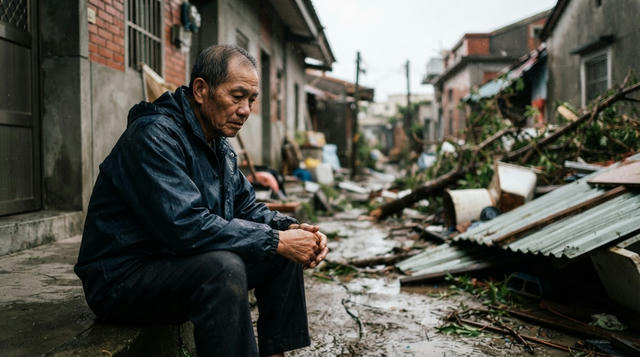
The Lingering Inferno: Addressing the Hidden Trauma of Wildfires
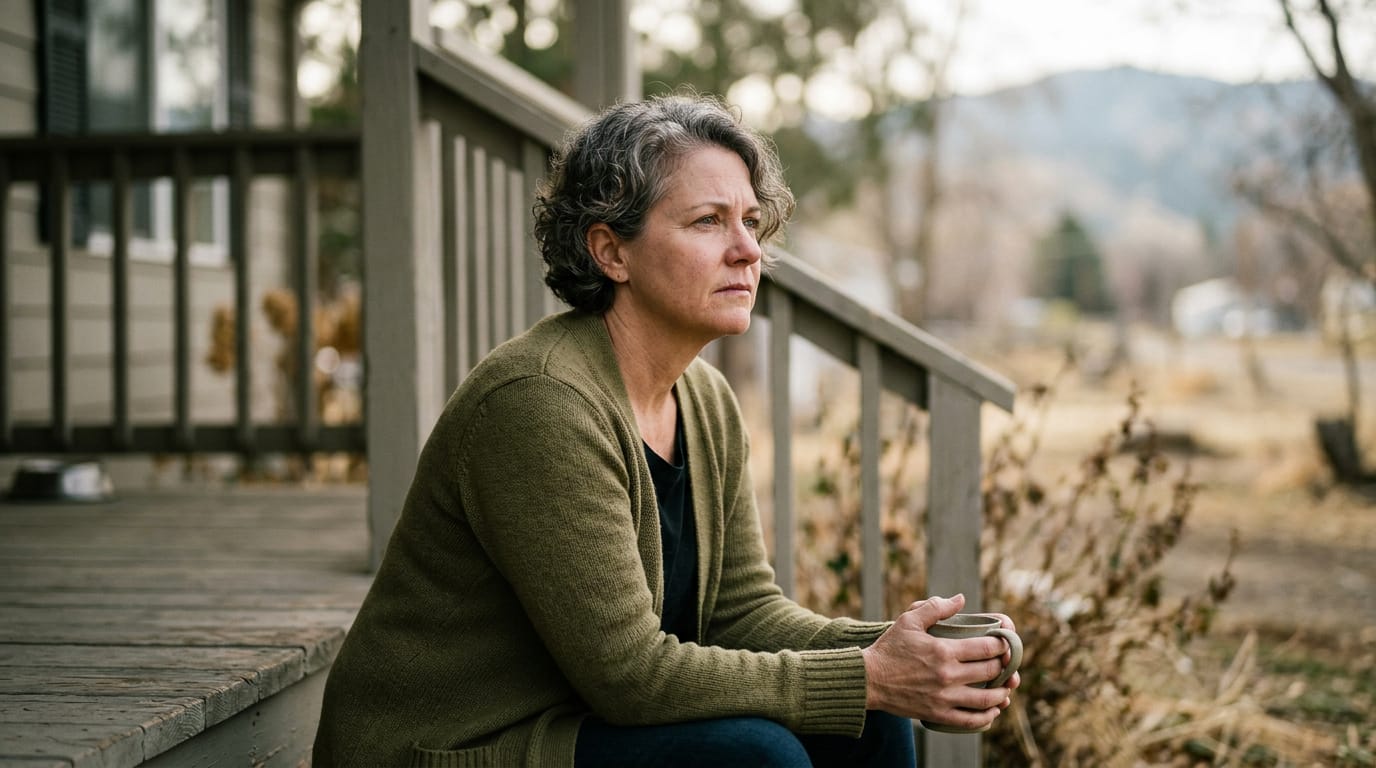
Wildfires, increasingly frequent and intense across the globe, leave behind a landscape of physical devastation. Yet, beyond the charred remnants of homes and forests lies another, often less visible, casualty: the mental health of individuals and communities. The trauma inflicted by these fast-moving and unpredictable natural disasters can linger for years, manifesting as a complex array of psychological challenges that demand urgent attention and comprehensive support. Understanding and addressing this invisible toll is crucial for true recovery and resilience.
The Invisible Scars: Understanding Wildfire Trauma
The immediate aftermath of a wildfire is often characterized by shock and denial, natural protective mechanisms in the face of overwhelming catastrophe. However, as the initial adrenaline subsides, a deeper psychological impact emerges. Survivors frequently grapple with intense and unpredictable emotions, including fear, grief, anger, anxiety, and panic. Many report difficulty concentrating, disturbed sleep patterns, recurring nightmares, and a general sense of withdrawal or depression. The unpredictability and rapid progression of wildfires make them particularly stressful events, forcing people to make critical decisions with little notice and often resulting in widespread community disruption.
Research indicates a significant rise in mental health disorders following wildfires. Studies have shown increased rates of Post-Traumatic Stress Disorder (PTSD), depression, and generalized anxiety, which can persist for years after the flames are extinguished. Certain populations are disproportionately affected, including women, youth, older adults, low-income groups, and individuals with pre-existing mental health conditions. Children and adolescents, who may not fully comprehend or articulate their distress, also exhibit higher rates of mood and anxiety disorders post-wildfire. Emotional triggers, such as the smell of smoke, sight of ash, or sound of sirens, can unexpectedly reactivate traumatic memories and feelings of fear. Moreover, exposure to wildfire smoke itself, independent of direct fire threat, has been linked to worsening mental health conditions like depression, anxiety, and mood disorders, with a study noting increased emergency department visits for these conditions up to seven days post-exposure. The long-term nature of these stressors, including potential housing insecurity, displacement, and disruption of social networks, can maintain high levels of psychological distress. The growing awareness of these impacts has even led to the emergence of new terms such as "ecological grief," "solastalgia," and "eco-anxiety" to describe the profound emotional responses to environmental degradation and loss.
Recognizing the Signs and Seeking Support
While immediate relief at survival is common, it can quickly be followed by distress, fear, and anger. For many, these intense reactions may gradually lessen over weeks or months. However, for those who have experienced profound losses—such as the death of a loved one, severe injury, or displacement from their home—the emotional impact can be far more intense and enduring. Persistent symptoms that disrupt daily life, such as ongoing sleep difficulties, overwhelming anxiety, or an inability to function, signal a need for professional intervention.
Fortunately, a range of resources exists to aid in recovery. Mental health professionals trained in trauma can provide essential support, helping individuals process their experiences and develop effective coping mechanisms. Trauma-focused therapies, including Cognitive Behavioral Therapy (CBT) and Eye Movement Desensitization and Reprocessing (EMDR), have proven beneficial in treating conditions like PTSD. Accessing these services can be facilitated through crisis hotlines, community mental health centers, and support groups specifically designed for disaster survivors. Many regions affected by wildfires offer free or low-cost mental health services, recognizing the widespread need for support.
Paths to Healing: Proactive Coping and Community Resilience
Beyond professional intervention, proactive self-care strategies and robust community support play vital roles in fostering healing and resilience. Giving oneself time to adjust and mourn losses, whether of property, cherished possessions, or a sense of security, is a fundamental step. Asking for support from trusted friends, family, or counselors is also crucial, acknowledging that even loved ones who experienced the same event may be under their own stress.
Limiting exposure to news and media coverage, while staying informed about essential safety updates, can significantly reduce heightened stress and anxiety. Establishing or re-establishing routines for meals, exercise, and sleep can provide a much-needed sense of normalcy and control. Engaging in healthy behaviors such as balanced nutrition, regular physical activity, and relaxation techniques for sleep issues can promote overall well-being, while avoiding alcohol and drugs is advised, as they can suppress feelings and potentially intensify emotional pain. Practices like grounding techniques, mindfulness, and meditation can help individuals remain present and manage distressing emotions. Focusing on positive aspects of life and postponing major life decisions until emotional stability returns can also be beneficial.
For children, who often react differently to trauma, consistent reassurance of safety, maintaining routines, encouraging play, and limiting their exposure to overwhelming media are critical. Parents should validate their children's feelings and answer questions honestly, without oversharing distressing details. Furthermore, finding productive ways to help others, such as volunteering or donating to recovery efforts, can provide a sense of purpose and control, fostering connection within the community. Wildfires, by their very nature, are collective experiences, and the shared ordeal can forge powerful bonds among survivors, leading to mutual understanding and support that is invaluable for recovery.
Acknowledging the Unseen Burden
The psychological aftermath of wildfires represents a significant, often overlooked, public health challenge. The emotional and mental scars can be as devastating and long-lasting as the physical destruction, impacting individuals, families, and entire communities. As the frequency and intensity of wildfires continue to escalate, acknowledging and proactively addressing this unseen burden becomes increasingly imperative. By fostering open conversations about mental health, expanding access to specialized trauma care, and promoting individual and community-based coping strategies, societies can better equip themselves to heal not only the land but also the hearts and minds of those touched by fire. True recovery from wildfires requires recognizing that rebuilding goes far beyond physical structures; it encompasses the holistic well-being of every survivor.