The Perfect Storm: Unpacking Global Vulnerability to Tropical Cyclones
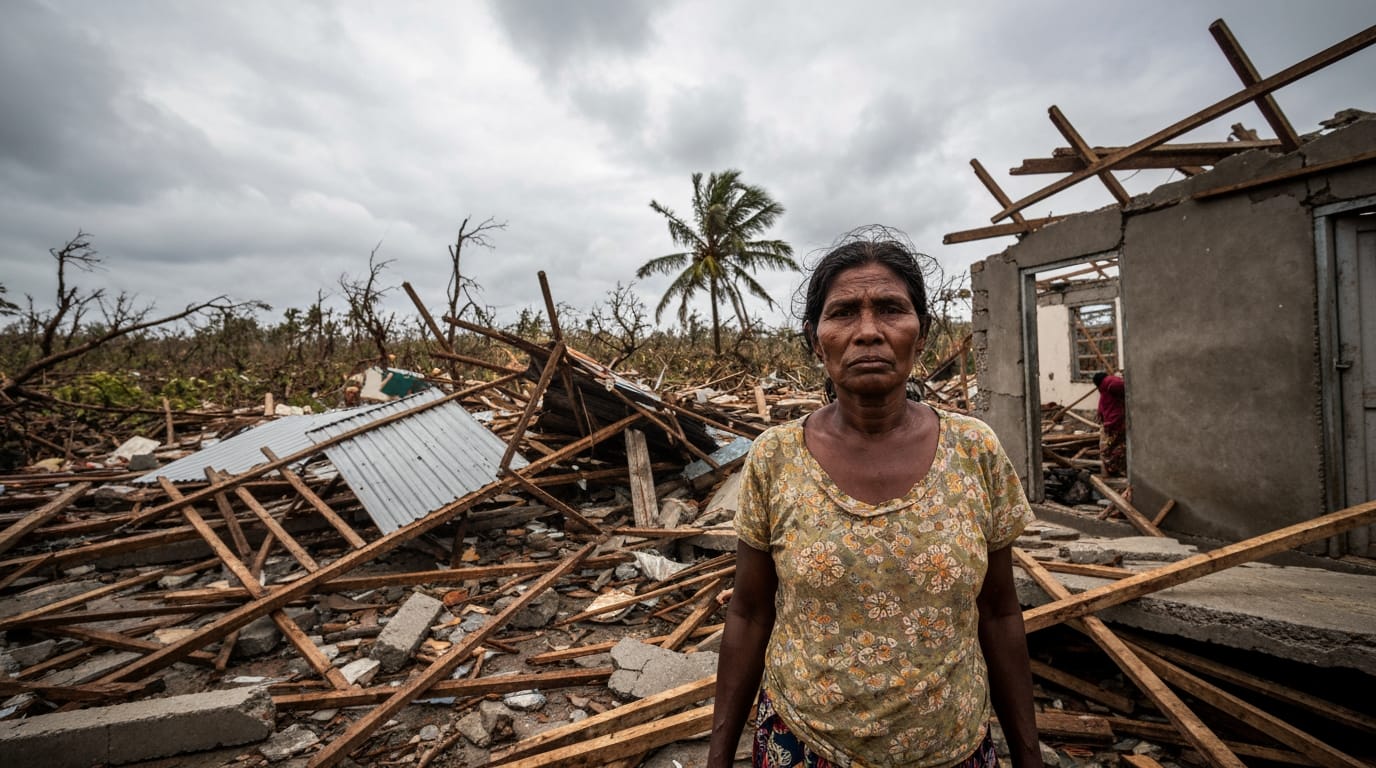
Tropical cyclones, known variously as hurricanes, typhoons, or simply cyclones, are among the most destructive natural phenomena, unleashing powerful winds, torrential rainfall, and devastating storm surges. While their immense scale of damage is undeniable, their impact is not uniformly distributed across the globe. Certain countries find themselves disproportionately vulnerable, a reality shaped by a complex interplay of geographic, socio-economic, environmental, and preparedness factors. Understanding these underlying vulnerabilities is crucial for developing effective strategies to mitigate risk and enhance resilience in the face of these formidable weather systems.
Geography's Unforgiving Hand: Location and Topography
A primary determinant of a country's risk to tropical cyclones is its geographical location. These colossal storms require specific conditions to form and intensify: large ocean areas with surface temperatures exceeding 26.5°C or 27°C, allowing moist air to rise and remain significantly warmer than the surrounding atmosphere up to considerable altitudes. Consequently, nations situated in tropical and subtropical regions, particularly those bordering warm ocean waters, are inherently more prone to these events. The Caribbean Sea, the Gulf of Mexico, and the western Pacific Ocean are prime examples of such hotspots, with countries like the Philippines experiencing an average of 19 tropical cyclones annually. The Northwest Pacific, for instance, records an average of 28 storms per year, frequently affecting nations such as Japan, China, and Vietnam.
Beyond general location, topography plays a critical role in shaping vulnerability. Low-lying coastal areas and small island nations are exceptionally susceptible to storm surges and coastal flooding. Countries like Bangladesh, with its vast delta regions, face severe flooding risks exacerbated by intense rainfall during cyclones. The Philippines, with its extensive coastline and numerous islands, is particularly exposed. Furthermore, coastlines lacking natural protections such as coral reefs and mangroves are more vulnerable to the full force of these storms. Even mountainous regions face dangers from landslides triggered by the heavy rainfall accompanying cyclones.
The Socio-Economic Divide: Poverty, Infrastructure, and Awareness
The human element significantly amplifies or diminishes the physical risks posed by tropical cyclones. Socio-economic factors often draw a stark line between a nation's capacity to withstand and recover from these disasters. Developing countries, or Less Economically Developed Countries (LEDCs), frequently lack the resources necessary to build robust infrastructure and implement effective disaster preparedness and response strategies. Poorly constructed buildings, common in less economically developed regions, are more prone to damage or destruction. In contrast, wealthier nations, such as the United States and Japan, can invest in stronger building codes, advanced forecasting technology, and efficient emergency services, thereby reducing their overall vulnerability.
Population density in coastal areas further compounds the risk. Highly populated coastal cities, exemplified by areas in Japan like Tokyo, Osaka, and Nagoya, face substantial economic losses due to their dense populations and critical infrastructure. Communities with limited knowledge and preparedness for cyclones are also more vulnerable, often lacking effective early warning systems and public education campaigns that can significantly reduce impact. Healthcare and emergency services, particularly their capacity to respond effectively, are crucial during and after a cyclone. Countries heavily reliant on agriculture or tourism, such as many in Southeast Asia and the Caribbean, face significant economic setbacks when crops are destroyed or industries are disrupted. A lack of access to insurance and financial aid further hinders recovery efforts, perpetuating cycles of poverty and vulnerability.
The Climate Change Imperative: Intensification and Rising Seas
The evolving global climate is undeniably reshaping the nature of tropical cyclone risk, making existing vulnerabilities even more acute. A warmer ocean surface, largely attributed to human-induced climate change, provides more energy or "fuel" for tropical cyclones. This increased energy is likely leading to more powerful storms, with the proportion of severe tropical cyclones (Category 4 and 5) having increased and projected to rise further. These intense storms bring more damaging wind speeds, higher storm surges, and more extreme rainfall rates.
Tropical cyclones are also exhibiting rapid intensification, a phenomenon where a storm gains significant strength quickly, leaving less time for preparation and evacuation. Furthermore, some storms are traveling more slowly, lingering over affected areas for longer durations and consequently dumping more rain, increasing the risk of widespread and prolonged flooding. Warmer air holds more water vapor, leading to increased precipitation potential, with rainfall rates expected to rise by 10-15% for every 2 degrees Celsius global temperature increase.
Compounding these dangers is global sea-level rise, which elevates the "launch point" for storm surges, increasing their reach and depth in coastal areas already prone to flooding. This means existing storms will become significantly more damaging, even with minimal changes in storm activity. Sea-level rise also exacerbates coastal erosion and leads to saltwater intrusion, impacting agricultural lands and freshwater sources.
Building Resilience: Preparedness, Infrastructure, and International Cooperation
Despite the formidable challenges, proactive measures in preparedness and mitigation can significantly reduce the impact of tropical cyclones. Effective early warning systems are paramount, enabling populations to evacuate or take refuge, and protecting property. Investments in resilient infrastructure are crucial, encompassing everything from stronger buildings to robust power grids, transportation networks, and coastal protection systems. This includes updating building codes to account for evolving hurricane hazards like wind speed, storm surge, and waves as coupled events.
For critical infrastructure, strategies might involve engineering power plants to withstand cyclones, strategic burying of distribution networks, and ensuring transportation routes can manage evacuation traffic. Coastal protection systems, such as adaptive seawalls and the restoration of natural buffers like mangroves, are vital for safeguarding against storm surge and erosion.
International cooperation and financial support are also indispensable, particularly for developing nations. Organizations like the United Nations Development Programme (UNDP) assist governments in updating building codes, improving risk assessments, and expanding early warning systems. Initiatives like the Catastrophe Deferred Draw-Down Option (Cat-DDO) Development Policy Financing provide pre-agreed funds to help countries prepare for and respond to natural hazards, highlighting the global solidarity required to address the interconnected vulnerabilities.
Conclusion: A Shared Global Challenge
The heightened risk some countries face from tropical cyclones is a multifaceted issue, woven from threads of geographical exposure, socio-economic disparities, and the undeniable influence of a changing climate. While proximity to warm ocean waters and low-lying coastlines establish initial vulnerability, the capacity of a nation to prepare, respond, and rebuild is largely dictated by its economic stability, infrastructure quality, and institutional effectiveness. The intensifying and slower-moving storms, coupled with rising sea levels, driven by climate change, threaten to exacerbate these challenges, making previously unimaginable impacts a growing reality. Addressing this complex web of vulnerabilities demands a holistic approach, one that integrates scientific forecasting, resilient infrastructure development, robust disaster preparedness, and equitable international cooperation to protect lives and livelihoods across the globe.