Thousands Protest in Rio de Janeiro Against Presidential Candidate Flávio Bolsonaro
The demonstration followed a first-round election that put the conservative senator ahead of incumbent President Luiz Inácio Lula da Silva before their runoff vote.
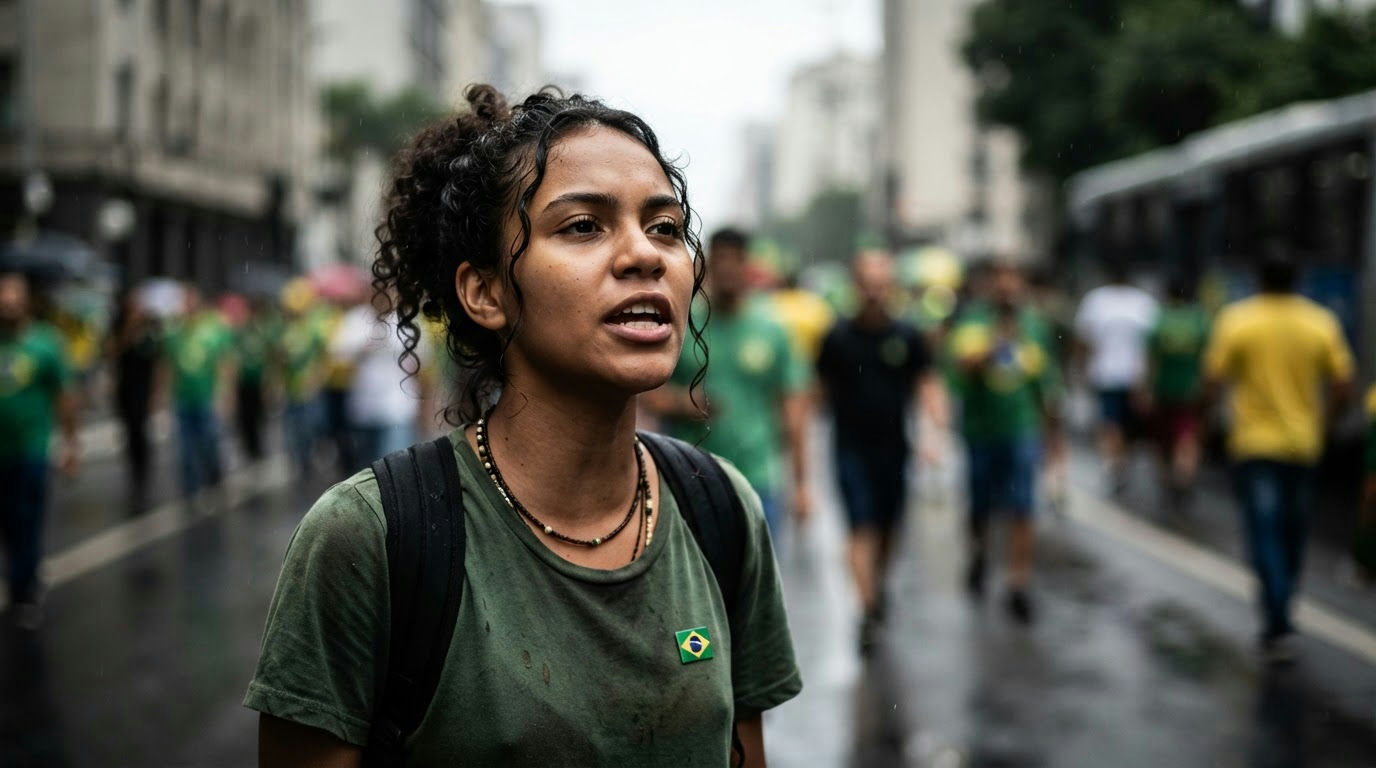
Thousands of students, educators, and citizens marched through downtown Rio de Janeiro on Wednesday, October 7, 2026. They protested against federal senator Flávio Bolsonaro following his lead in the first round of Brazil's presidential election.
The demonstration gathered at the Candelária Church and moved between historic squares before ending at Cinelândia square. Demonstrators occupied central streets peacefully for about four hours. They played drums, set off fireworks, and lit flares while opposing the return of the Bolsonaro family to power.
Bolsonaro, the 45-year-old son of former President Jair Bolsonaro, won roughly 47 percent of the ballots cast on October 4. Incumbent President Luiz Inácio Lula da Silva secured approximately 45 percent, leaving Bolsonaro ahead by roughly 2 million votes.
Other right-wing candidates placed third, fourth, and fifth in the first-round election. The Associated Press reported in a corrected tally that those candidates received more than 8 million votes collectively. The Hindu and India Today reported that total as 6 million votes.
Eyewitnesses reported the rally was noticeably larger and more energetic than a campaign event held by Lula at the same site the prior week. Talita Amaral, a 19-year-old environmental science student, wore the national football jersey. She said demonstrators were fighting for Brazil rather than strictly for Lula.
Amaral added that opponents needed to occupy streets and persuade voters on WhatsApp instead of mourning the election results. João Victor Vieira, a 20-year-old literature student, said the demonstration showed social movements remained active. He warned that a Flávio Bolsonaro presidency would turn Brazil into an American colony because of ideological ties to U.S. President Donald Trump.
Alice Carneiro, a 25-year-old shipping administrator, said she attended because of fears for democracy. She expressed concern over potential discrimination and administrative backlash targeting her transgender wife under another Bolsonaro government. Demonstrators carried signs stating Brazil was not for sale and opposed both the father and son.
Protesters also objected to Flávio Bolsonaro's proposed fiscal spending cuts, comparing his proposals to austerity policies enacted by Argentine President Javier Milei. They recalled budget reductions to federal universities during Jair Bolsonaro's term. Protesters also voiced concern about Flávio Bolsonaro's stated plan to seek an amnesty for his father.
Jair Bolsonaro served as president from 2019 to 2022 and is serving a 27-year prison term after a conviction for plotting a coup. Demonstrators expressed anger over his administration's handling of the COVID-19 pandemic, which caused over 700,000 deaths. Flávio Bolsonaro also faces investigations into corruption, money laundering, and tax evasion involving Banco Master.
Because no candidate received more than 50 percent of the vote, Bolsonaro and Lula will face each other in a runoff on October 25, 2026. Student and civic groups have announced additional nationwide demonstrations before the vote, including a national march planned for October 18, 2026.