Tragedy Strikes Islamabad: Hospital Fire Claims Lives of 14 Newborns
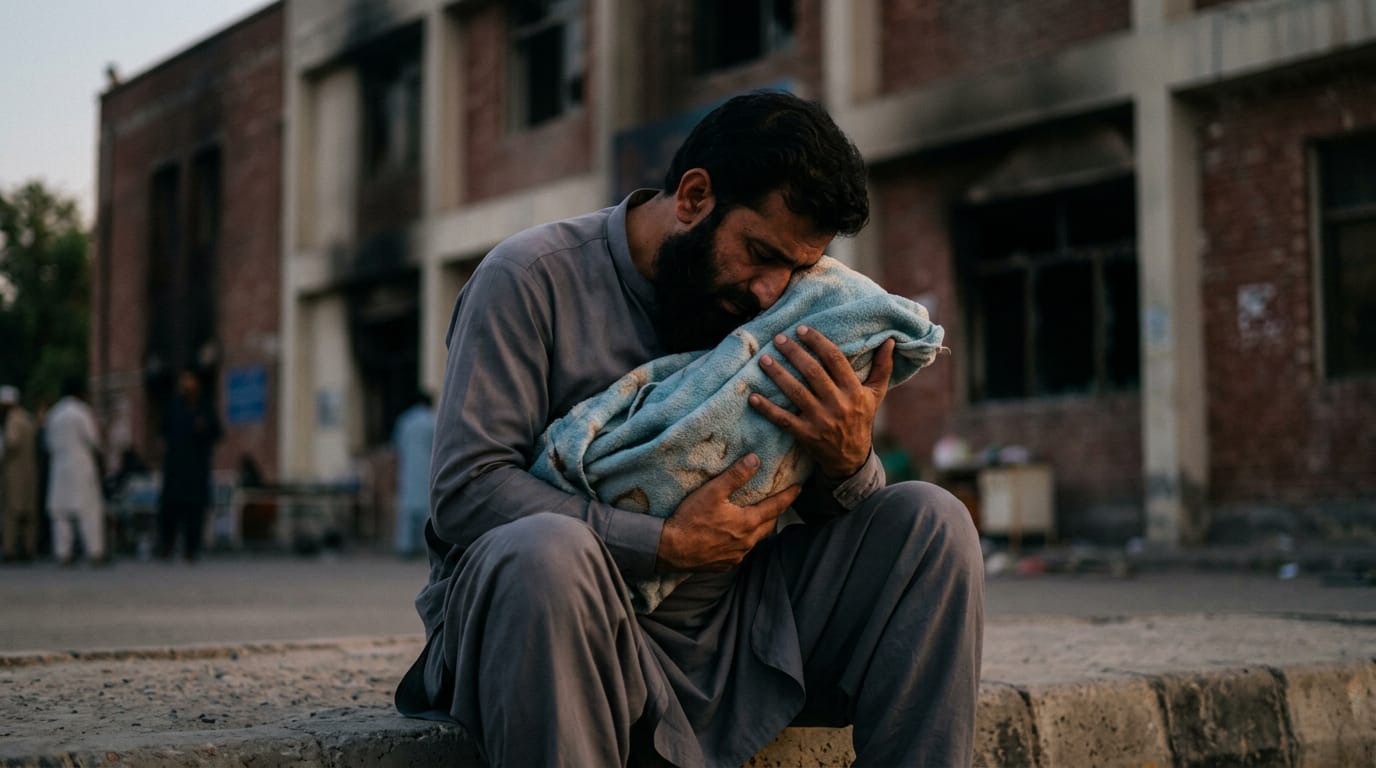
ISLAMABAD, Pakistan – A devastating fire ripped through a neonatal ward at the Pakistan Institute of Medical Sciences (PIMS), a prominent public hospital in the capital, early Wednesday morning, resulting in the tragic deaths of at least 14 newborn infants. The inferno, believed to have been sparked by an air conditioning system malfunction, has cast a somber shadow over the nation and ignited urgent calls for comprehensive improvements in hospital safety standards across Pakistan.
The harrowing incident unfolded around 7 a.m. local time on August 26, 2026, on the third floor of the hospital’s gynecology and mother-and-child health ward. Initial reports indicated that 16 newborns were present in the ward when the fire erupted, with rescue workers managing to save only one infant from the rapidly spreading flames and choking smoke. The immediate aftermath was marked by scenes of chaos and despair as emergency services scrambled to control the blaze and mitigate further loss of life, while families of the tiny victims grappled with unimaginable grief.
The Morning Horror: A Rapidly Spreading Blaze
The alarm was raised shortly before 7 a.m. on Wednesday, signaling a dire emergency at one of Islamabad's largest and most well-equipped public hospitals. The fire originated in the nursery section of the gynecology ward, where fragile newborns were under intensive care. According to rescue officials, the blaze intensified quickly, likely fueled by flammable materials common in hospital settings. Firefighters were swiftly dispatched, with six fire engines and four ambulances reportedly participating in the urgent rescue and containment operation. Their immediate efforts focused on extinguishing the flames and performing cooling operations to prevent reignition, but the ferocity of the fire proved too overwhelming for the vulnerable infants.
The tragic toll quickly became evident. As the smoke cleared and the full extent of the devastation was assessed, it was confirmed that 14 newborns had perished. While some initial reports had cited up to 15 casualties, official statements from the Prime Minister's office and hospital authorities later confirmed 14 deaths, underscoring the profound loss. The sheer scale of the tragedy at PIMS, a facility meant to provide critical care, sent shockwaves throughout the country, highlighting the persistent challenges in maintaining basic safety protocols in public health institutions.
Investigating the Cause and Official Response
Preliminary investigations point to a fault within the hospital's air conditioning system as the primary cause of the fire. Specifically, reports suggest that an air-conditioner compressor exploded inside the nursery, triggering the deadly inferno. Other sources, including a PIMS spokesperson, mentioned a short circuit as the apparent cause. Such electrical faults are a recurring concern in older or inadequately maintained infrastructure, raising critical questions about routine maintenance and safety audits at the hospital.
In response to the disaster, Prime Minister Shehbaz Sharif expressed deep sorrow and immediately ordered an investigation into the incident. His office released a statement emphasizing that "those responsible should be identified, and the strictest action should be taken." An inquiry committee has been swiftly formed, headed by the additional deputy commissioner, tasked with determining the precise cause of the fire and establishing how such a catastrophic event could have occurred in a major medical facility. This rapid government response reflects the severity of the incident and the widespread public demand for accountability. The findings of this committee will be crucial in understanding the institutional failures that contributed to the loss of so many innocent lives.
A Nation Mourns: The Human Cost of Negligence
The loss of 14 infants represents an immeasurable tragedy for their families and the nation as a whole. While direct quotes from grieving parents are not yet available, the human element of this disaster resonates deeply. Each lost infant represents a future unfulfilled, a family's hopes shattered. The incident has profoundly affected public sentiment, leading to an outpouring of grief and anger on social media and within local communities. Many are questioning the efficacy of safety measures in public hospitals, where often the most vulnerable segments of society seek care.
The psychological impact on the surviving infant, rescued from the flames, and its family, as well as on the hospital staff who witnessed the horror, cannot be overstated. The incident highlights the emotional toll such events take on individuals directly involved and underscores the need for robust support systems in their aftermath. Beyond the immediate tragedy, the fire at PIMS has eroded public trust in healthcare institutions, making it imperative for authorities to not only deliver justice but also visibly implement reforms that restore confidence.
Systemic Failures and the Call for Reform
The PIMS fire is not an isolated incident but rather a stark reminder of the persistent challenges plaguing Pakistan's healthcare infrastructure. Government healthcare facilities are frequently criticized for being under-resourced, overburdened, and mismanaged, often leading to compromises in safety and quality of care. Watchdog organizations have repeatedly highlighted these deficiencies, and this latest tragedy serves as a potent illustration of the dire consequences of neglecting patient safety.
Pakistan has historically faced a lack of a comprehensive national healthcare accreditation system and integrated national guidelines for patient safety. While efforts are underway to address these issues, progress has been slow. For instance, the Islamabad Healthcare Regulatory Authority, with support from the International Labour Organization (ILO), launched revised Minimum Service Delivery Standards (MSDS) in August 2025, aiming to improve workplace safety and patient care through systematic risk assessments and enhanced infrastructure requirements. Additionally, the World Health Organization (WHO) has been supporting the "Patient Safety Friendly Hospital Initiative" (PSFHI) in 80 Pakistani hospitals to integrate evidence-based patient safety standards. However, the PIMS fire underscores that the implementation and stringent enforcement of such standards remain critical challenges. This tragedy adds to a grim record of significant fire incidents in Pakistan in recent years, including non-hospital settings, reflecting broader systemic issues concerning fire safety and infrastructure integrity.
The incident demands more than just an investigation; it necessitates a nationwide re-evaluation of fire safety protocols, electrical infrastructure, and emergency preparedness in all healthcare facilities. Without robust regulatory oversight, consistent maintenance, and accountability for non-compliance, similar tragedies risk recurring, further jeopardizing the lives of patients, particularly the most vulnerable.
The horrific fire at PIMS is a profound loss that extends beyond the individual families affected, impacting the collective conscience of a nation. As inquiries proceed and the country grapples with this fresh wound, the imperative for action is clear. This tragedy must serve as a catalyst for fundamental changes in Pakistan's healthcare system, ensuring that hospitals, the very places meant to heal and protect life, uphold the highest standards of safety to prevent such heartbreaking losses from ever happening again.