Tragic Charter Plane Crash Claims Eight Lives in Remote Alaskan Wilderness
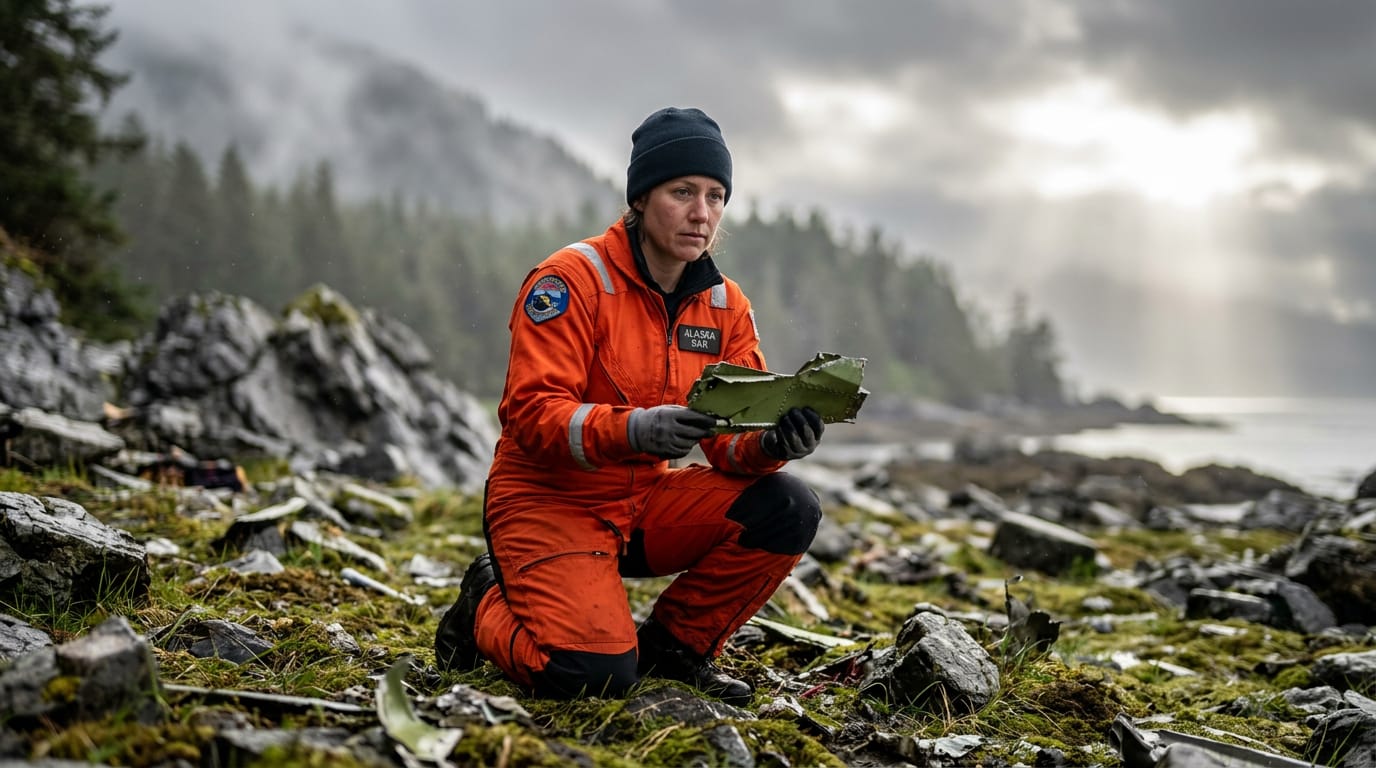
CAPE NEWENHAM, Alaska – A charter aircraft carrying eight individuals tragically crashed Thursday near the remote Cape Newenham Long Range Radar Site in western Alaska, killing all on board. The twin-engine Cessna 441, operated by Anchorage-based Security Aviation, was on a civilian-contracted mission when it went down around 12:15 p.m. local time during its approach to the isolated airstrip. This devastating incident has sent shockwaves through the close-knit Alaskan aviation community and highlighted the inherent dangers of operating in the state's challenging and unforgiving environment.
The Fateful Flight and Devastating Outcome
The Cessna 441, a turboprop aircraft, departed from Anchorage earlier on Thursday, bound for the Cape Newenham Long Range Radar Site Airport, an austere outpost situated approximately 450 miles west of Alaska's largest city. On board were two pilots and six passengers, all of whom perished in the crash. The Federal Aviation Administration (FAA) confirmed the time of the incident, with officials believing the aircraft crashed as it prepared for landing.
Details surrounding the moments leading up to the crash remain scarce, with the National Transportation Safety Board (NTSB) and the FAA quickly mobilizing resources to launch a comprehensive investigation. Clint Johnson, the NTSB's Alaska region chief, confirmed the number of fatalities and the preliminary nature of the information available. The remoteness of the crash site, accessible primarily by air, presents significant logistical challenges for investigators as they begin the painstaking process of piecing together what led to the disaster.
The loss of all eight individuals marks a profound tragedy for the families, friends, and colleagues affected. While identities are being withheld pending notification of next of kin, it has been confirmed that two employees of the U.S. Army Corps of Engineers were among those killed. The Army Corps of Engineers had chartered the aircraft, underscoring the critical nature of the work performed by those on board in supporting vital infrastructure in the remote Alaskan frontier.
A Critical Mission in a Demanding Environment
The Cape Newenham Long Range Radar Site is more than just an airstrip; it is a vital component of the United States' national defense infrastructure. Managed by the Pacific Air Forces Regional Support Center, the site is part of a broader network of remote radar installations that play a crucial role in tracking aircraft operating within Alaska's vast airspace and along its borders. The personnel traveling to these locations are often specialized professionals, undertaking essential maintenance, logistical support, and operational duties that are integral to national security.
U.S. Air Force Lt. Gen. Robert Davis, commander of Alaskan Command, the Alaskan North American Aerospace Defense Command Region, and Eleventh Air Force, issued a statement lamenting the "devastating loss for our military family and the communities we serve." He further described those aboard as "dedicated professionals carrying out a vital mission in a demanding environment." This sentiment reflects the profound appreciation for individuals who accept the challenges of working in such isolated and often harsh conditions.
Operating in Alaska's interior, particularly at sites like Cape Newenham, demands exceptional skill and resilience. The facility itself is uniquely situated, featuring a nearly 4,000-foot-long gravel runway perched on a mountain slope. This terrain, combined with Alaska's notoriously unpredictable weather patterns, makes landings inherently challenging, even for the most experienced pilots. Access to the site is restricted to military and approved charter flights, underscoring its strategic importance and the specialized nature of its operations. The civilian-contracted aircraft involved in Thursday's crash highlights the extensive network of private companies and individuals who support military and governmental operations in the region.
The Investigation Takes Flight
The immediate aftermath of the crash saw a swift response from search and rescue teams. The Alaska Rescue Coordination Center launched a search-and-rescue mission shortly after receiving reports of an "aircraft incident" near the radar site. Confirmation of no survivors quickly followed, shifting the focus to recovery efforts and the critical investigation into the cause of the tragedy.
The NTSB will lead the investigation, a standard procedure for civilian aviation accidents in the United States. The FAA will provide assistance, lending its expertise in air traffic control, aircraft maintenance, and operational regulations. Investigating crashes in remote Alaskan locations presents unique challenges, including difficult access, extreme weather conditions, and the need for specialized equipment to recover wreckage and data recorders. These factors often mean that a complete understanding of an accident's cause can take months, if not longer.
Investigators will examine a multitude of factors, including the aircraft's maintenance history, pilot qualifications and flight experience, the prevailing weather conditions at the time of the crash, air traffic control communications, and any potential mechanical failures. The Cessna 441, a popular choice for charter operations in rugged environments due to its turboprop engines and short-field performance capabilities, will undergo rigorous scrutiny. The eventual findings of the NTSB will be crucial not only for providing answers to the victims' families but also for improving aviation safety protocols in challenging operational settings like those found across Alaska.
Community Mourns, Officials Extend Condolences
The news of the crash quickly reverberated across Alaska, a state where aviation is not merely a convenience but often a lifeline, connecting remote communities and vital outposts. Accidents, while tragic, serve as a stark reminder of the inherent risks faced by those who live, work, and fly in this vast and untamed land. Alaska Senator Lisa Murkowski was among the officials who expressed profound condolences, acknowledging the reputation of Security Aviation's experienced pilots and commending the rapid response from various agencies, including the U.S. Coast Guard, Alaska State Troopers, and the Rescue Coordination Center.
The incident underscores the human element behind the statistics of air travel. Each of the eight lives lost represents an individual with a unique story, families, and contributions to their communities and the missions they undertook. The "devastating loss" emphasized by Lt. Gen. Davis resonates deeply within a state where many depend on air travel for work, commerce, and personal connection. The support for the families, friends, and teammates of the victims will be a paramount concern in the days and weeks ahead, as they grapple with this sudden and immense loss.
The incident is a sobering reminder of the critical role played by charter aviation in Alaska, facilitating everything from essential services to tourism. The rugged terrain, extreme weather, and vast distances mean that flying is often the only viable means of transport. While the NTSB's investigation is just beginning, the immediate focus remains on supporting those affected by this profound tragedy and honoring the memory of the eight individuals who perished while undertaking a vital mission in the Alaskan wilderness.
Awaiting Answers in the Alaskan Sky
As the NTSB's investigation into the Cape Newenham charter plane crash commences, the aviation community and the wider Alaskan public await answers. The loss of eight lives, including dedicated professionals supporting critical national defense infrastructure, is a somber reminder of the inherent risks of flight in one of the world's most challenging operational environments. While the cause remains undetermined, the incident serves as a poignant testament to the courage and commitment of those who navigate Alaska's skies, and the profound impact when tragedy strikes. The findings from this thorough investigation will not only seek to explain what happened on that Thursday afternoon but also aim to prevent similar incidents in the future, safeguarding those who continue to undertake essential missions across the vast and beautiful Alaskan landscape.