Tragic Livestream: Student Shooter Records Deadly Rampage in Zamboanga
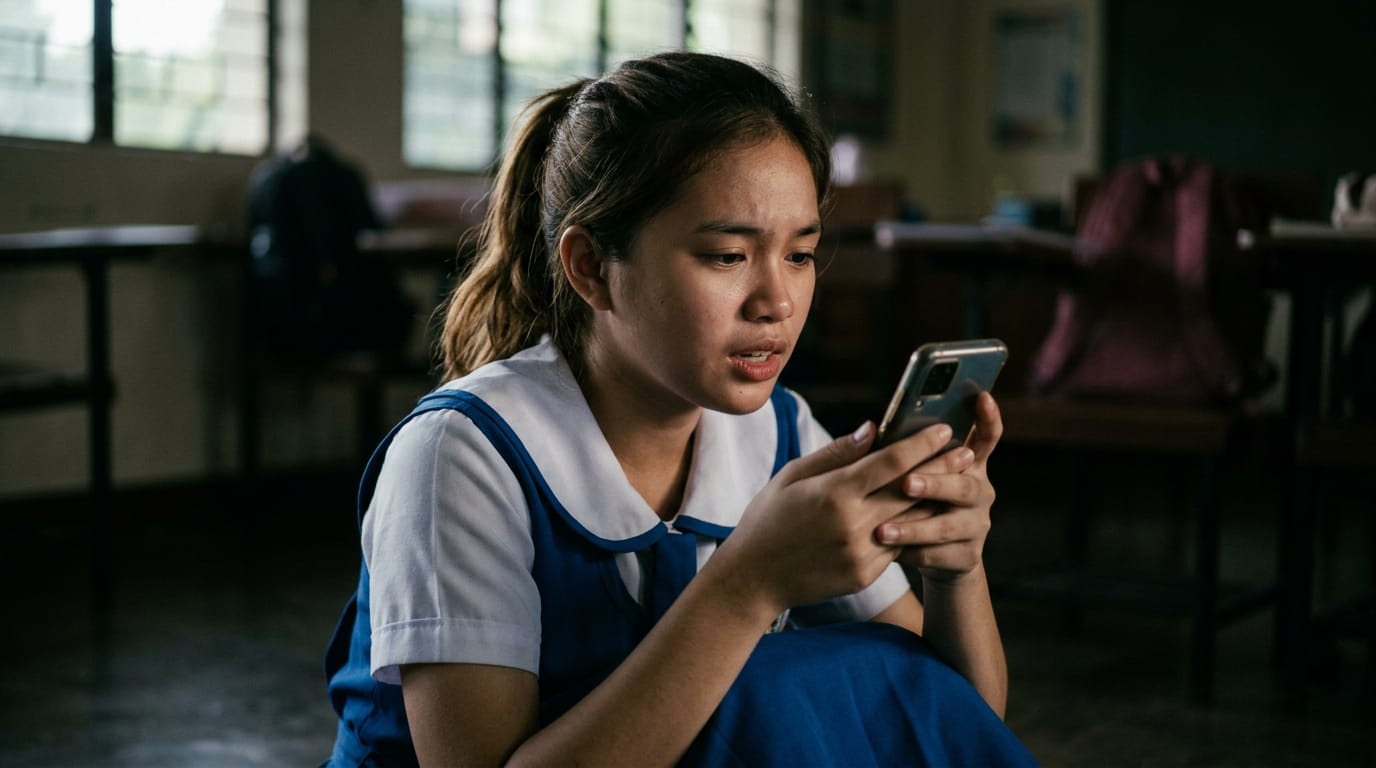
Zamboanga City, Philippines – A school in the southern Philippines became the scene of unspeakable tragedy this Tuesday when a high school student, reportedly wearing a body camera to livestream his actions, opened fire on campus, killing a fellow student before turning the weapon on himself. The incident, which unfolded at the Ateneo de Zamboanga University high school campus, marks a chilling escalation in the rare but increasingly concerning phenomenon of school violence in the archipelago, occurring less than two months after another deadly school shooting rocked the country.
A Morning Shattered by Violence
The peaceful morning at Ateneo de Zamboanga University was abruptly shattered around 7:50 a.m. when gunshots echoed through the high school campus. Authorities later confirmed that a seventh-grade student, armed with both a high-powered firearm and a .45-calibre pistol, initiated the attack. Initial reports indicate the assailant first targeted a teacher, firing shots though it remains unclear if the teacher was struck. The shooter then moved into another classroom, where he fatally shot a fellow student. The rampage ended when the perpetrator took his own life, bringing the total fatalities to two. Two other individuals sustained injuries during the harrowing event.
Zamboanga City Mayor Khymer Adan Olaso revealed a disturbing detail: the suspect appeared to have been wearing a body camera, presumably livestreaming the horrific events as they unfolded. This element adds a modern and deeply troubling dimension to an already devastating act of violence, raising immediate questions about the motivations behind such public displays of aggression and the platforms that facilitate them. Police and school officials swiftly responded, securing the campus and bringing the situation under control by 8:40 a.m., according to Police spokeswoman Major Shellermie Chang, who confirmed that there was "zero threat already".
Lingering Questions and Digital Footprints
While authorities have rapidly secured the scene and initiated investigations, the precise motive behind the Zamboanga shooting remains under intense scrutiny. The act of livestreaming suggests a desire for attention or perhaps a distorted message the perpetrator intended to convey. However, without a clear manifesto or explanation, the community is left to grapple with the senselessness of the violence. The use of multiple firearms, including a high-powered weapon, by a seventh-grade student also prompts inquiries into how the assailant obtained such armaments in a nation with strict gun ownership laws.
The incident has reignited concerns across the Philippines regarding the safety of its educational institutions and the potential influence of digital environments on youth behavior. This tragedy follows closely on the heels of another significant school shooting, prompting a broader national dialogue on preventing future occurrences. The confluence of mental health, access to firearms, and the pervasive nature of online content is likely to be a central focus of subsequent inquiries and policy discussions.
Tacloban's Precedent: A Growing Wave of Violence
The Zamboanga incident gains further gravity when viewed in the context of a previous, equally devastating school shooting that occurred just two months prior. On June 22, 2026, San Jose National High School in Tacloban, central Philippines, witnessed a violent outburst that claimed the lives of three students and injured twenty others, fifteen of whom sustained gunshot wounds. In that case, two teenage students, aged 14 and 15, were apprehended as the perpetrators.
Unlike the Zamboanga shooting, where the assailant reportedly livestreamed his own actions, the Tacloban incident involved a victim filming part of the ordeal. A 15-year-old student, Joyancee Separa, tragically filmed from inside a classroom, capturing the heroic last moments of fellow student Chris Lorenz Fabian, also 15, who attempted to barricade a door against the shooters before being fatally shot. The Tacloban perpetrators' motives were reportedly rooted in revenge for bullying and a disturbing connection to "nihilistic violent extremism" (NVE) propagated by an online terrorist organization known as "764". Investigations revealed one suspect had posted gun-related videos online and was an avid player of the violent sandbox game "GoreBox," which was subsequently temporarily banned by Philippine authorities to assess its role in fostering violence. This link between online radicalization, violent media, and real-world violence has become a critical point of concern for lawmakers and cybersecurity experts.
National Reflection and Calls for Comprehensive Solutions
The back-to-back school shootings in Tacloban and Zamboanga, while rare for the Philippines, have sent shockwaves through the nation, sparking urgent calls for action from all levels of government and society. President Bongbong Marcos issued a statement condemning the Tacloban shooting and calling for a thorough investigation, while the Department of Education classified it as a "high-alert situation". The Psychological Association of the Philippines (PAP) warned against simplistic explanations, emphasizing that youth violence stems from a complex interplay of developmental, relational, social, community, digital, cultural, and societal factors. They advocate for comprehensive school mental health systems, timely psychosocial support, responsible adult role-modeling, and digital citizenship education.
These incidents highlight the severe vulnerabilities schools face, from inadequate security measures that allowed firearms onto campuses to the insidious influence of online platforms. The debate has broadened to include stricter regulation of online content, gaming platforms, and improved child online safety measures. Law enforcement agencies are intensifying patrols and coordinating with school authorities, local government units, parents, and community stakeholders to strengthen preventive measures. The focus is not just on reactive security but on understanding and addressing the root causes of such extreme violence among young people.
The recent school shootings in the Philippines serve as a stark and tragic reminder of the evolving challenges faced by educational institutions globally. The Zamboanga incident, with its chilling livestream component, underscores the increasing intersection of digital culture and real-world violence, while the Tacloban tragedy reveals deeper issues of online radicalization and bullying. As investigations continue and communities mourn, the urgent need for a multifaceted approach—encompassing enhanced security, mental health support, digital literacy, and responsible online governance—becomes paramount to safeguard the future of students and prevent such devastating events from recurring on Philippine soil.