Tragic Toll on Crete: Wildfires Claim Lives, Force Mass Evacuations Amidst European Crisis
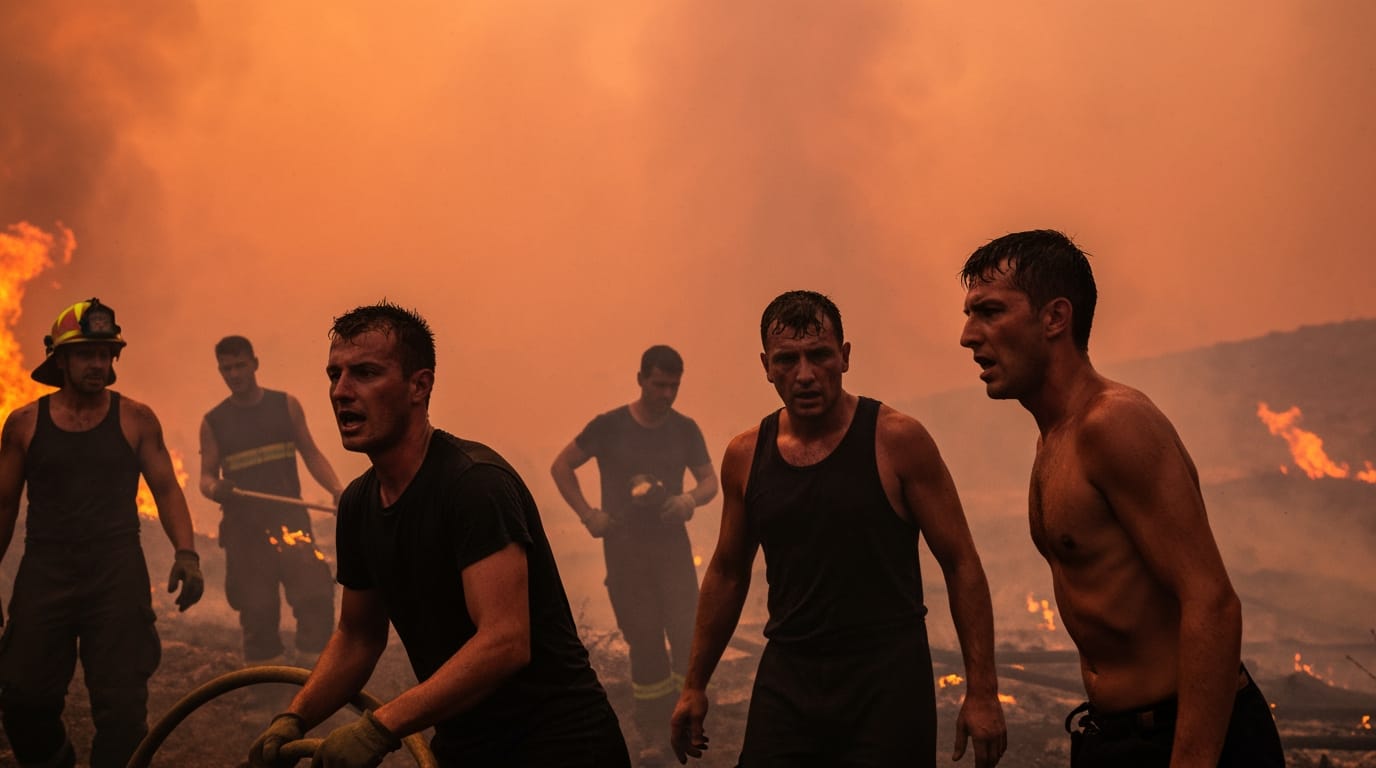
Rethymno, Crete – Deadly wildfires ravaging the Greek island of Crete have claimed the lives of two firefighters and forced hundreds of residents and tourists to evacuate, as extreme heat and relentless winds fuel a rapidly escalating crisis across southern Europe. The tragic deaths occurred Wednesday, July 29, 2026, underscoring the severe dangers faced by emergency responders battling a summer of unprecedented blazes.
The incident on Crete is part of a broader, dire situation unfolding across the Mediterranean, where Greece, Spain, and France are grappling with some of the most destructive wildfires in recent memory, intensified by record-breaking heatwaves and prolonged drought.
A Deadly Battle in the Heart of Crete
The two Greek firefighters lost their lives in the Rethymno region of Crete, near the village of Krya Vrysi. They were reportedly found dead inside their vehicle, having become trapped between advancing fire fronts while attempting to move between emergency response locations. One of the fallen was a seasonal firefighter, while the other had five years of service at the Agia Fotini fire station. Initial reports suggested asphyxiation as the cause, though this remains unconfirmed. The Hellenic Fire Service expressed profound sorrow, stating that the firefighters "fell heroically in the line of duty to protect the lives and property of citizens and the natural environment."
Their deaths highlight the extreme conditions facing fire crews on the ground. Strong winds, gusting up to 7 Beaufort or approximately 50 miles per hour, have created highly volatile and unpredictable fire behavior, making containment exceptionally challenging and dangerous. In a separate but related incident, a third Greek firefighter also perished battling a blaze in the Peloponnese region of mainland Greece on the same day, further deepening the nation's grief.
Mass Evacuations Under Threat of Advancing Flames
The ferocity of the fires on Crete necessitated widespread evacuations throughout Wednesday, July 29. Hundreds of residents and vacationers were forced to flee by both land and sea from Krya Vrysi and nearby communities, including Saktouria, Melampes, and Triopetra, as flames encroached upon populated areas and popular tourist destinations. Authorities utilized Greece's 112 emergency warning system to issue alerts, guiding people towards safer coastal towns like Agia Galini.
Over 200 firefighters, supported by dozens of fire engines, battled the blazes across two major wildfire zones on Crete. Aerial support, including four helicopters and four water-dropping planes, was deployed to assist ground crews, but their operations were frequently hampered or halted by the intense and erratic winds, which made flying conditions unsafe. Two additional firefighters sustained minor injuries during the ongoing operations, further illustrating the peril of their work.
The fires have already left a trail of destruction, consuming agricultural land, vital olive groves, warehouses, and several homes. The immediate impact on local livelihoods, particularly in agriculture and tourism-dependent areas, is expected to be significant.
Europe Engulfed: A Continent on Fire
The crisis on Crete is a stark reflection of a larger environmental emergency gripping southern Europe. This summer has seen an unprecedented surge in wildfires across the continent, with Spain and France also battling immense blazes that have forced hundreds of thousands of evacuations. France's Gironde region, for instance, saw an uncontained wildfire grow to four times the size of Paris, driving 220,000 people from their homes at its peak.
Experts and officials attribute the escalating intensity and frequency of these fires to climate change, which is driving record-breaking heatwaves and exacerbating drought conditions across Europe. Europe, identified as the world's fastest-warming continent, faces a widening gap between the scale of these climate-driven events and the preparedness and coordinated response efforts. The European Union has activated a record emergency wildfire response in 2026, deploying pre-positioned firefighters and aircraft to assist member states under siege.
A Challenging Forecast and Lingering Implications
As firefighting efforts continued into Thursday, July 30, the outlook remained grim. Crete's Deputy Regional Governor for Civil Protection, Giorgos Tsapakos, warned that conditions were not improving and that stronger winds were anticipated later in the day, posing further challenges to containment. The persistent high temperatures and arid landscape create a combustible environment where any new spark can rapidly ignite into a major threat.
Beyond the immediate devastation, the recurrent wildfires threaten the long-term viability of tourism, agriculture, and rural livelihoods in Mediterranean countries heavily reliant on these sectors. The destruction of forests and ecosystems poses significant challenges for regeneration and recovery, impacting biodiversity and environmental stability. The current crisis serves as a forceful reminder of the critical need for enhanced disaster preparedness, robust wildfire resilience strategies, and improved cross-border emergency coordination to face increasingly harsh wildfire seasons. The human cost, underlined by the tragic loss of life, underscores the profound and urgent threat posed by a changing climate.