Trump Abruptly Withdraws Stefanik's UN Ambassador Nomination Amid House Majority Concerns
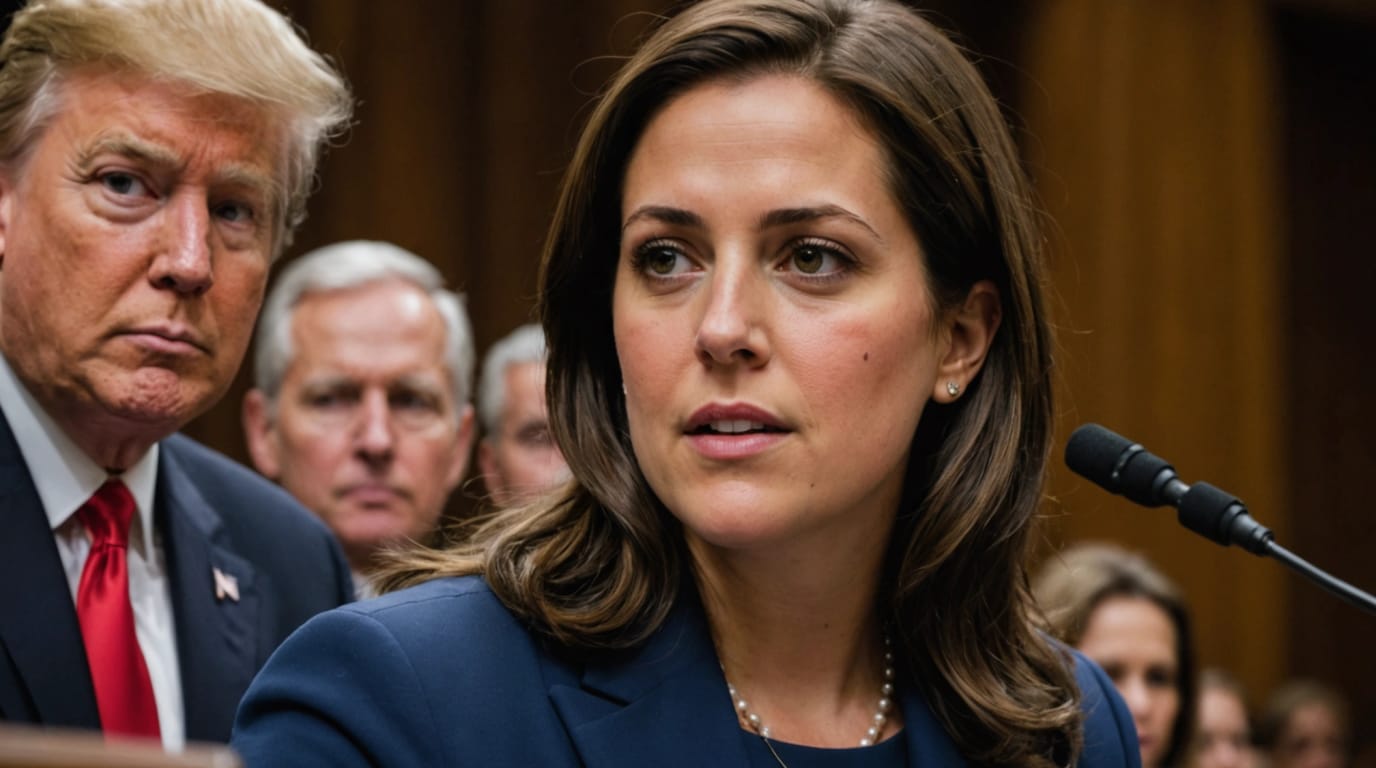
In a surprising move, the White House has retracted the nomination of Representative Elise Stefanik as the U.S. ambassador to the United Nations. President Donald Trump announced the decision Thursday, citing the critical need to maintain a Republican majority in the House of Representatives. The withdrawal marks a significant shift after Stefanik's nomination had been stalled for months due to the GOP's narrow margin in the House.
Trump, in a post on Truth Social, stated that it was "essential that we maintain EVERY Republican Seat in Congress." He emphasized the importance of unity within the party to achieve their mission and requested Stefanik, whom he described as one of his "biggest Allies," to remain in Congress.
Stefanik, a Republican from New York, was initially tapped to represent the U.S. at the UN shortly after Trump's reelection in November. Her nomination was considered relatively uncontroversial and had advanced out of committee in late January. However, the Republicans' slim majority in the House, holding 218 seats compared to the Democrats' 213, created a political logjam that prevented her confirmation from proceeding.
House Majority Takes Precedence
The decision to withdraw Stefanik's nomination underscores the precarious position of the Republican Party in the House. With such a narrow advantage, any loss of a seat could jeopardize the party's ability to pass legislation and advance its agenda. The potential vacancy created by Stefanik's departure to the UN would have further strained the GOP's already thin ranks.
The political calculus appears to have shifted in recent weeks. The GOP's prospects were seemingly improving with two U.S. House special elections in Florida, in districts that Trump had easily won in 2024. Filling those vacant GOP seats would have allowed Stefanik to finally resign from the House and given Republicans a little more breathing room on passing legislation in a growingly divided Congress.
Stefanik's Role in Congress
Trump's statement suggests that Stefanik will reassume a prominent role within the House Republican leadership. Her continued presence in Congress is viewed as vital to the party's efforts, particularly in maintaining unity and advancing key legislative priorities.
It remains unclear what specific leadership position Stefanik will take on. However, her close relationship with Trump and her track record as a staunch advocate for his policies suggest that she will be a key player in shaping the Republican agenda in the House.
Impact on UN Representation
The withdrawal of Stefanik's nomination leaves the U.S. without a confirmed ambassador to the United Nations. The role is crucial for representing American interests on the global stage, engaging in diplomatic negotiations, and advocating for U.S. policy positions.
The Trump administration will now need to identify and nominate a new candidate for the position. The selection process could be complicated by the need to find someone who is both qualified for the role and acceptable to the Republican Party, given the current political climate.
Broader Political Implications
The decision to prioritize the House majority over the UN ambassadorship reflects the intense political battles currently playing out in Washington. With control of Congress closely divided, both parties are focused on maximizing their strength and preventing the opposition from gaining an advantage.
The withdrawal of Stefanik's nomination is likely to be viewed as a setback for the Trump administration's foreign policy agenda. The UN ambassadorship is a high-profile position that allows the U.S. to exert influence on international affairs. The delay in filling the role could hamper the administration's ability to advance its goals on issues ranging from trade and security to human rights and climate change.
In conclusion, President Trump's withdrawal of Elise Stefanik's nomination as UN ambassador highlights the critical importance of maintaining a Republican majority in the House. The decision underscores the precarious political landscape and the intense competition between the two parties for control of Congress. While the move ensures Stefanik's continued presence in the House, it also leaves a key diplomatic post vacant and raises questions about the future of U.S. representation at the United Nations.