Trump Announces Sweeping 50% Tariffs on Canadian Auto and Steel Imports Beginning 2027, Escalating Trade Conflict
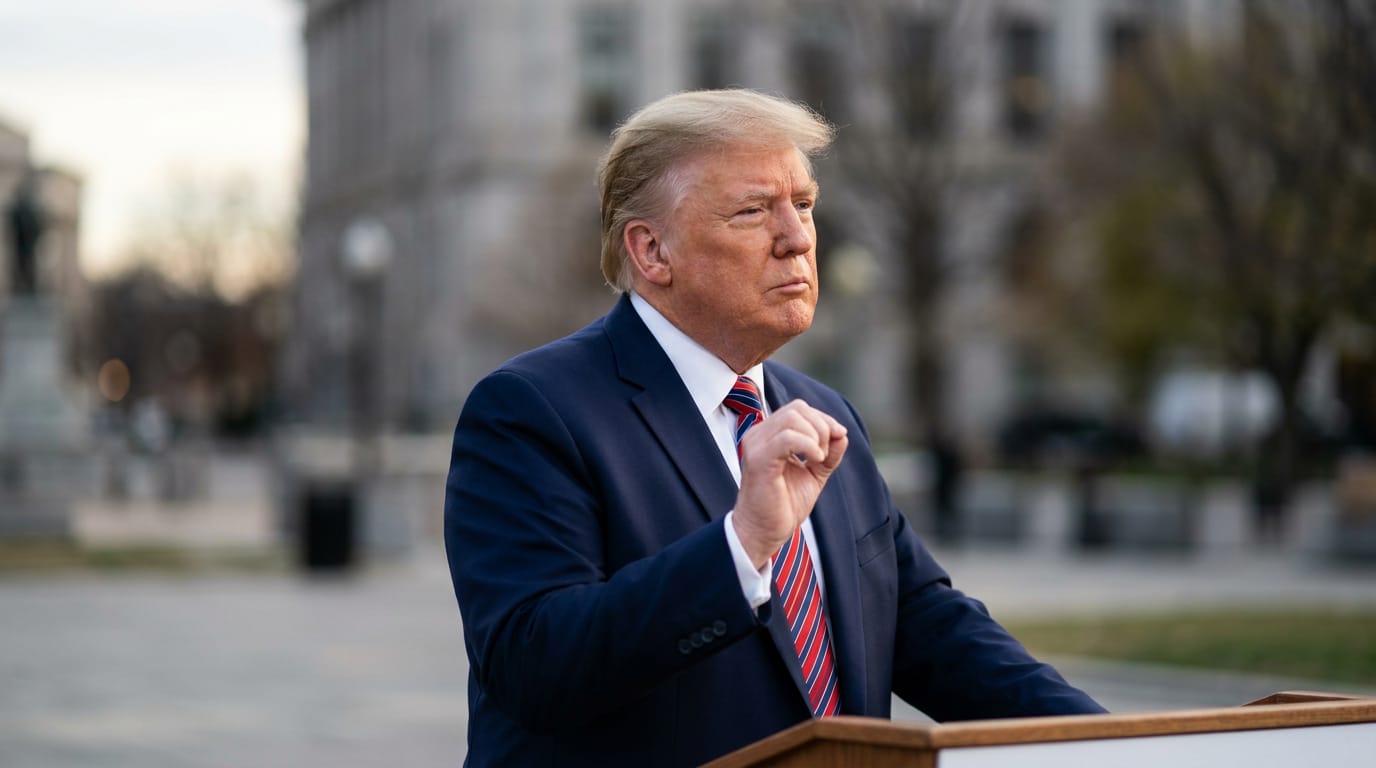
WASHINGTON – Former President Donald Trump announced plans Monday to implement a sweeping 50% tariff on all Canadian automotive and steel imports, slated to take effect January 1, 2027. The declaration, made via social media, marks a significant escalation in the ongoing trade dispute between the United States and its northern neighbor, casting a long shadow over the future of North American economic relations. The proposed tariffs target a broad range of products, including cars, trucks, auto parts, and various steel goods, signaling a potential seismic shift in the deeply integrated supply chains that underpin both economies.
A New Chapter in a Contentious Trade Saga
Trump justified the impending tariffs by accusing Canada of "ripping off" the United States for years and asserted that Canadian trade policies had created a $60-billion trade deficit, detrimental to American farmers. He explicitly stated that Canada "will be treated like a State no longer" and urged manufacturers to "Build in the U.S." to bypass the new duties. This announcement follows closely on the heels of the recent collapse of trade negotiations between Washington and Ottawa, which saw both sides trading accusations and implementing retaliatory measures. Just days prior, the U.S. had imposed 50% tariffs on approximately $20 billion worth of Canadian goods, ranging from hockey sticks to agricultural products, to which Canada vowed dollar-for-dollar retaliation. This latest move by Trump deepens concerns that a full-blown trade war is rapidly unfolding between two of the world's closest economic partners.
Historical Tensions and the Evolution of North American Trade
The economic relationship between the United States and Canada has a complex history, characterized by periods of both close cooperation and significant protectionist measures. For centuries, tariff policies between the two nations have evolved, from early colonial restrictions to the comprehensive free trade zones established by agreements like the North American Free Trade Agreement (NAFTA), which came into effect in 1994, and its successor, the United States-Mexico-Canada Agreement (USMCA). These agreements largely eliminated tariffs across a vast array of goods, fostering one of the largest bilateral trade relationships globally.
However, even in eras of free trade, disputes have frequently emerged in sensitive sectors such as steel, lumber, dairy, and automobiles, reflecting persistent economic and political frictions. During his previous administration, President Trump imposed steel and aluminum tariffs on Canada, which were later lifted in 2019 as part of broader negotiations to replace NAFTA with the USMCA. The current declaration of new, even higher tariffs arrives amidst a context of ongoing trade friction, with U.S. Trade Representative Jamieson Greer acknowledging that the U.S. was compelled to act after a year of Canadian retaliation, even while downplaying the overall impact of the tariffs on U.S. consumption. Earlier this year, the U.S. also implemented 50% tariffs on specific Canadian imports, including wine and cement, citing Canada's "discriminatory treatment" of American products.
Potential Economic Fallout and Supply Chain Disruptions
The announcement has sent ripples of concern through industrial sectors on both sides of the border. The proposed 50% tariffs on automotive and steel products pose a significant threat to the highly integrated North American supply chains, particularly within the auto industry. Canada is a crucial supplier of both finished vehicles and critical components to the U.S. market. The tariffs would apply to cars, trucks, and automotive parts, significantly impacting manufacturing operations and potentially increasing consumer costs.
Economists and industry analysts are forecasting severe economic consequences, including potential job losses and disruptions across various sectors. Conservative Leader Pierre Poilievre has warned that as many as 87,000 Canadian jobs could be at risk due to the escalating trade tensions. Tariffs, which are essentially taxes on imports, are typically paid by companies but are often passed on to consumers, suggesting that American shoppers could face higher prices for vehicles and other goods containing steel. The longevity and effectiveness of the USMCA agreement are also being questioned, particularly as the mandatory review of the pact approaches in July 2026. While the White House indicated that CUSMA-compliant vehicles would only be taxed on non-U.S. content, the overarching 50% tariff threat introduces considerable uncertainty for cross-border investment and trade planning.
Canada's Stance and Diplomatic Reactions
Canada's response to the escalating trade measures has been resolute. Prime Minister Mark Carney previously announced the failure of recent negotiations, attributing the breakdown to U.S. demands for concessions that would "permanently disadvantage" Canadian industries. Provincial leaders, including Ontario Premier Doug Ford, voiced strong support for Carney's decision to reject what they termed a "bad deal," emphasizing the need to protect Canada's auto manufacturing, steel production, and agricultural sectors.
The Canadian government has previously retaliated against U.S. tariffs with its own duties on American goods, and there is an expectation of further countermeasures should the proposed tariffs proceed. The diplomatic fallout is also substantial, as the historically strong alliance between the U.S. and Canada faces unprecedented strain. The rhetoric from both sides underscores a hardening of positions, with implications reaching far beyond immediate economic concerns to the broader geopolitical landscape of North America.
An Uncertain Future for North American Trade
The prospect of 50% tariffs on Canadian automotive and steel imports beginning in 2027 signals a period of profound uncertainty for the U.S.-Canada economic relationship. The announcement intensifies an already volatile trade environment, with significant ramifications for industries, workers, and consumers in both countries. While the stated goal is to protect American jobs and industries, the potential for widespread economic disruption and retaliatory measures could create a lose-lose scenario. The coming months will likely be critical as businesses and policymakers grapple with the implications of these proposed tariffs and the future trajectory of North American trade relations.