Trump Halts Iran Strikes Amid Assurances on Protester Killings
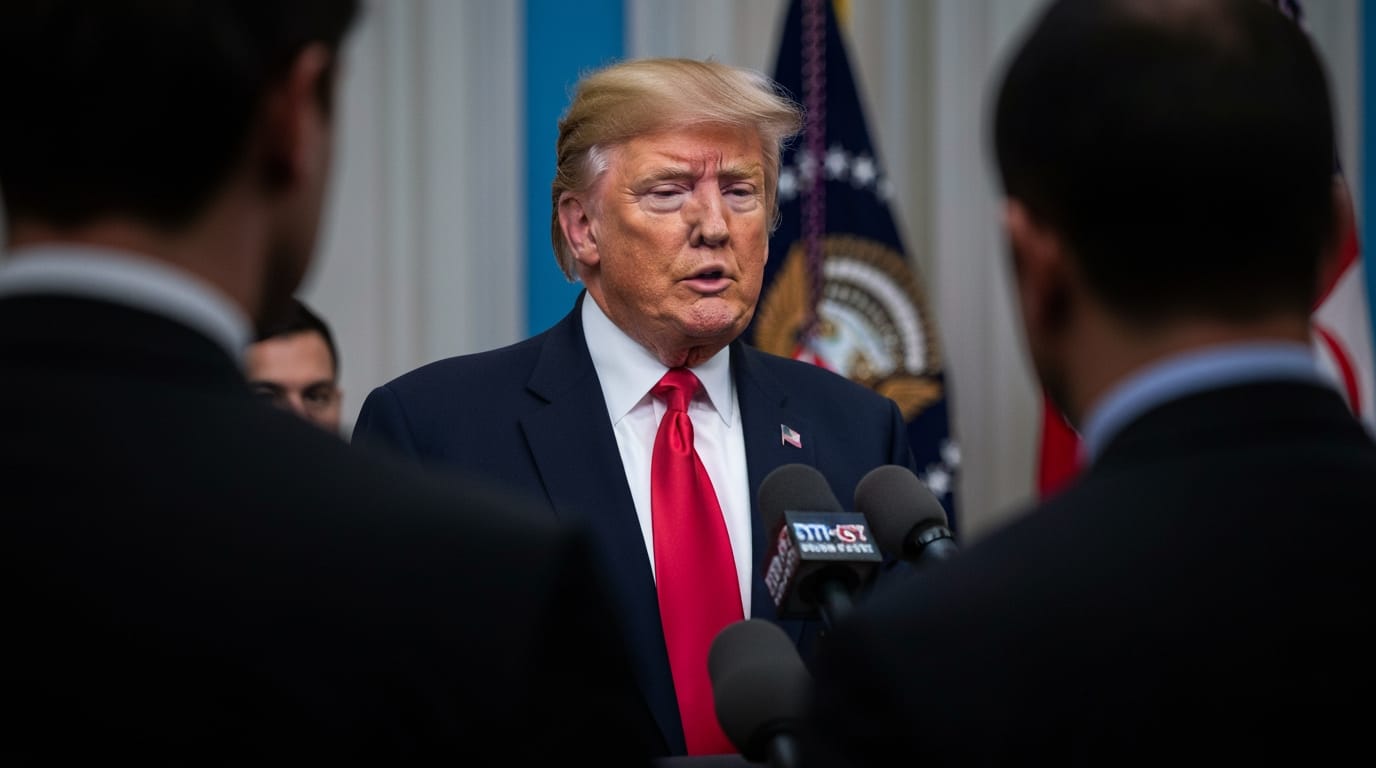
Washington D.C. – Former President Donald Trump announced Wednesday that he would hold off on potential military action against Iran, citing unspecified "assurances" that the Iranian government has ceased its lethal crackdown on nationwide protests and halted planned executions. The surprising development injected a momentary pause into escalating tensions that had prompted fears of a direct military confrontation between the two adversaries.
The decision follows a period of intense rhetoric from Trump, who had repeatedly vowed to intervene on behalf of Iranian protesters facing a brutal government response. However, his abrupt declaration from the White House indicated a shift, pending verification of the alleged assurances.
Escalating Tensions and Warnings
For weeks, Iran has been gripped by widespread anti-government protests, described by human rights groups as the largest since the 1979 Islamic Revolution. Reports indicated a severe crackdown by Iranian authorities, with human rights organizations estimating thousands killed and tens of thousands arrested. These figures, however, have not been confirmed by Iran. The unrest prompted international condemnation and heightened concerns about human rights abuses.
In response to the escalating violence, former President Trump had issued multiple warnings, asserting that the United States would take "very strong action" if Iran proceeded with executions of protesters. He had also used social media to express solidarity with the Iranian people, stating, "HELP IS ON ITS WAY," a message interpreted by many as a precursor to military intervention. This tough stance came after the US had previously conducted strikes against Iranian nuclear facilities in June 2025 as part of a broader Iran-Israel conflict, further raising the stakes in the region. European and Israeli officials reportedly anticipated U.S. strikes within 24 hours prior to Trump's announcement.
The prospect of military intervention spurred a flurry of precautionary measures. Several countries, including the UK, temporarily closed their embassies in Tehran, while Germany's Lufthansa announced its flights would avoid Iranian and Iraqi airspace. The U.S. also advised staff at its embassy in Saudi Arabia to exercise caution near military installations. These actions underscored the acute fear of a widening conflict in the volatile Middle East.
The Assurances and Trump's Decision
In a surprise White House announcement, former President Trump declared that he had received "assurances from very important sources on the other side" that lethal force against protesters had ceased and that planned executions would not take place. He elaborated, stating, "They've said the killing has stopped and the executions won't take place – there were supposed to be a lot of executions today and that the executions won't take place – and we're going to find out."
Trump offered no specific details about the nature of these "very important sources" or how the assurances were conveyed. He acknowledged that the United States had yet to independently verify the claims, indicating a "watch and see" approach to future military action. This conditional de-escalation marked a notable shift from his earlier, more assertive rhetoric regarding direct intervention.
Iran's Response and International Reaction
Following Trump's statement, Iranian Foreign Minister Abbas Araghchi addressed the situation, confirming that "no hanging today or tomorrow" was planned and emphasizing that "Hanging is out of the question." Araghchi further asserted that the Iranian government was "in full control" and described an atmosphere of "calm" following what he termed a "terrorist operation." He also took the opportunity to warn Washington against repeating "the same mistake" of past military actions, specifically referencing the June 2025 strikes on Iranian nuclear facilities.
The Iranian Foreign Minister underscored that diplomacy remains a preferable path over war, stating, "My message is between war and diplomacy; diplomacy is a better way." Iran also formally appealed to the United Nations Security Council and the UN Secretary-General, accusing the U.S. of inciting violence and interfering in its internal affairs.
The temporary closure of Iranian airspace, which had heightened fears of imminent conflict, was subsequently lifted, signaling a degree of de-escalation from the Iranian side as well. However, the precise role of the "assurances" in prompting this easing of tensions remains subject to interpretation, with some observers suggesting Iran's statements were a direct response to avert U.S. military action.
Conclusion
The decision by former President Trump to pause potential military strikes against Iran, predicated on reported assurances regarding the treatment of protesters, has momentarily pulled the two nations back from the brink of a direct military confrontation. While the immediate threat of U.S. intervention appears to have receded, the underlying tensions between Washington and Tehran persist. The unverified nature of the "assurances" and the ongoing, albeit potentially subdued, protests within Iran mean the situation remains highly volatile. The coming days will be critical in determining whether these fragile assurances hold, and if the path of diplomacy, advocated by Iran, can find a genuine opening amidst decades of deep-seated animosity. The episode underscores the precarious balance of power in the Middle East and the profound implications of rhetoric and perceived red lines in international relations.