Trump Proposes Staggering $1.5 Trillion Military Budget for 2027, Citing "Dangerous Times"
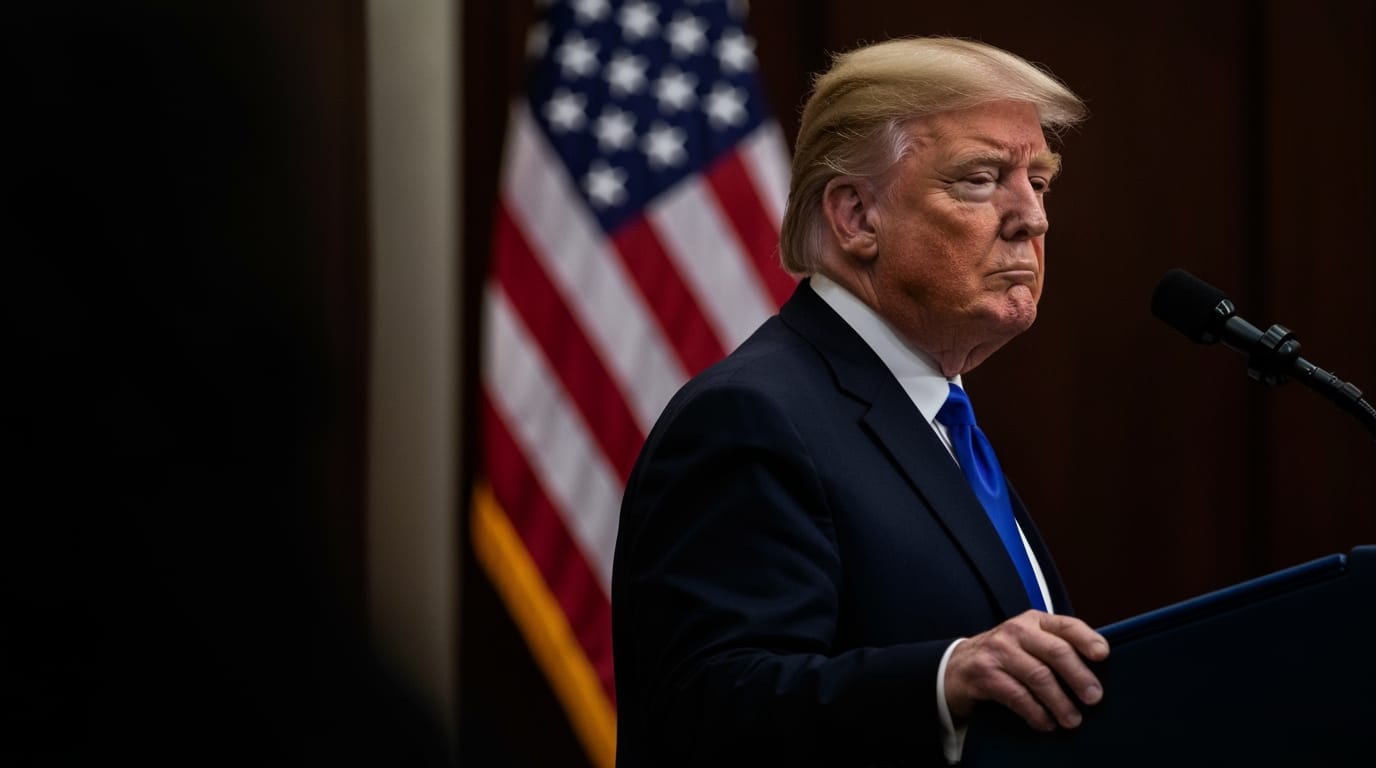
WASHINGTON – In a move poised to reshape American defense policy and ignite fierce debate, President Donald Trump has proposed a record-setting $1.5 trillion military budget for fiscal year 2027, a sum that would dwarf previous defense appropriations and represent a monumental increase in military spending. Announcing the ambitious plan via his Truth Social platform, the President justified the colossal expenditure by emphasizing "troubled and dangerous times" and the imperative to construct a "Dream Military" to ensure national security "regardless of foe." This proposal arrives amidst a backdrop of escalating global tensions and recent U.S. military actions, setting the stage for a contentious legislative battle.
The Unprecedented Scale of the "Dream Military"
The President's projection of $1.5 trillion for the 2027 defense budget marks a significant departure from current and previously enacted spending levels. For fiscal year 2026, the military budget stands at $901 billion. Trump's proposed figure represents an increase of over 50% from this amount and would constitute the largest defense budget in U.S. history. The White House, through President Trump's social media posts, has conveyed that this dramatic boost is essential for comprehensive modernization and expansion of military capabilities, ensuring the nation remains "SAFE and SECURE." The details of how this unprecedented sum would be allocated remain largely undetailed in the initial announcement, but the sheer scale suggests a sweeping overhaul across all branches of the armed forces, from personnel and readiness to advanced weaponry and strategic initiatives.
A Bold Funding Mechanism: Tariffs to Fuel Defense
Central to President Trump's plan is a novel and potentially controversial funding mechanism: vastly increased tariff revenues. He asserted that burgeoning income from tariffs imposed on various countries would readily finance the $1.5 trillion budget, alongside allowing for national debt reduction and a "substantial Dividend to moderate income Patriots within our Country." According to administration figures, tariff revenues reached approximately $288.5 billion in 2025, a significant jump from $98.3 billion in 2024. The President has frequently highlighted these revenues as a key enabler for his ambitious fiscal goals, presenting them as a direct financial pipeline to bolster military strength without burdening traditional tax sources. This approach signifies a deliberate integration of trade policy with national defense objectives, suggesting that economic leverage abroad can directly translate into military might at home.
Global Posture and Domestic Defense Industry Directives
The call for an expanded military budget comes at a time of heightened U.S. engagement and assertive foreign policy actions. Days prior to the budget announcement, President Trump ordered a U.S. military operation to apprehend Venezuelan leader Nicolás Maduro, who faces drug trafficking charges, with U.S. forces reportedly massing in the Caribbean Sea. Additionally, the President has publicly expressed interest in acquiring Greenland for national security reasons and suggested openness to military operations in Colombia. These events paint a picture of an administration ready to project American power globally, reinforcing the stated need for a "Dream Military."
Domestically, President Trump simultaneously issued stern warnings to defense contractors. He threatened to curtail Pentagon contracts with major companies like Raytheon if they do not accelerate weapon deliveries, cease stock buybacks, and rein in executive compensation. The President criticized what he termed "exorbitant" executive salaries and substantial shareholder dividends, arguing these practices detract from crucial investments in manufacturing capacity and timely equipment delivery. This directive had an immediate, albeit temporary, impact on defense industry stocks, which initially fell before rebounding after the full budget proposal emerged. The administration's message underscores a demand for greater accountability and efficiency from the defense industrial base to support the envisioned military expansion.
Fiscal Realities and the Looming Congressional Battle
Despite the President's confident assertions regarding tariff funding, the proposed $1.5 trillion budget is already facing considerable fiscal scrutiny. Preliminary estimates suggest that such an increase in defense spending could add an estimated $5.8 trillion to the national debt by 2035, when accounting for interest. Critics point out that the projected tariff revenues, even at their increased levels, are insufficient to cover the magnitude of the proposed military expenditure. Forecasts indicate that additional tariff revenue through 2035 would amount to approximately $2.5 to $3 trillion, leaving a significant shortfall against a $5 trillion increase in defense spending over the decade.
Further complicating the funding picture, the legality of a substantial portion of the current tariffs, particularly those enacted under the International Emergency Economic Powers Act (IEEPA), faces potential challenge by the Supreme Court. A ruling against these tariffs could drastically reduce the anticipated revenue, making the proposed budget even more challenging to fund.
The path to congressional approval for a budget of this scale is expected to be fraught with difficulties. While President Trump has indicated negotiations with lawmakers, the proposal is likely to encounter strong opposition from Democratic lawmakers, who are anticipated to resist such a significant increase in military spending without corresponding adjustments to non-defense expenditures. Moreover, fiscal conservatives within the Republican Party may also raise concerns about the impact on the national deficit and the long-term sustainability of such a financial commitment. The President's previous administrations have seen fluctuating signals regarding defense spending and budgetary irregularities, adding a layer of unpredictability to the upcoming legislative process.
Conclusion: A Defining Fiscal and Security Challenge
President Trump's audacious proposal for a $1.5 trillion military budget for 2027 signals a clear intent to dramatically enhance American military power and project strength on the global stage. Framed as a necessary response to an increasingly perilous world, the plan aims to equip the nation with an unparalleled "Dream Military," funded through an unconventional reliance on tariff revenues. However, the sheer cost, the projected impact on national debt, and the questionable sufficiency of the proposed funding mechanism ensure that this budget will be one of the most hotly contested issues in the coming year. As Congress prepares to scrutinize the details, the debate will not only shape the future of U.S. defense capabilities but also test the nation's fiscal resolve and its strategic priorities in a complex geopolitical landscape.


