Trump Threatens 200% Tariff on French Wine Amid Diplomatic Spat
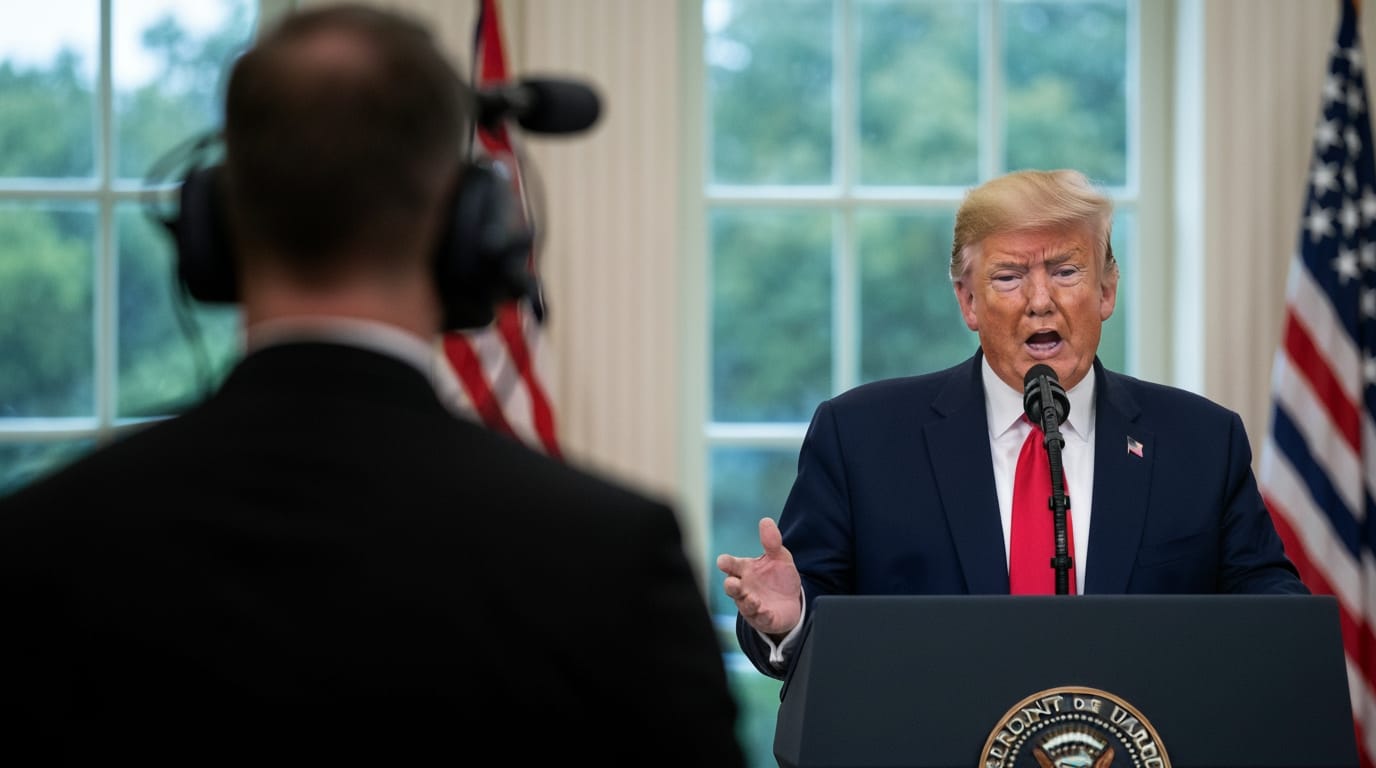
Washington D.C. – In a dramatic escalation of international tensions, former President Donald Trump has issued a stark warning to France, threatening a sweeping 200% tariff on French wines and champagne. The proposed punitive measure follows reports that French President Emmanuel Macron intends to decline an invitation to join Trump's newly proposed "Board of Peace" initiative, an entity envisioned to resolve global conflicts. This latest threat has sent shockwaves through global markets and the international diplomatic community, raising concerns about a potential new front in trade disputes and further strain on transatlantic relations.
The announcement, made public this week, positions French wine and champagne as leverage in a geopolitical maneuver, drawing a direct link between France's participation in the "Board of Peace" and the future of its lucrative exports to the United States. While the precise details and legal mechanisms for implementing such a tariff remain unclear, the declaration has ignited fierce debate and apprehension across industries and capitals.
The Genesis of a Tariff Threat
The proposed 200% tariff on French wines and champagne stems directly from French President Emmanuel Macron's reported hesitation to join the "Board of Peace," an initiative championed by Donald Trump. Trump initially proposed the "Board of Peace" in September as a mechanism to address the conflict in Gaza, later broadening its scope to encompass global conflict resolution. Invitations, reportedly sent to approximately 60 world leaders last week, outlined a broad mandate and suggested a potential $1 billion contribution for extended membership, according to documents seen by Reuters. Russia's President Vladimir Putin was also reportedly invited to join the board.
When questioned about Macron's reluctance to participate, Trump reportedly dismissed the French leader's stance, remarking, "Well, nobody wants him because he will be out of office very soon." He explicitly stated his intention to use the tariff as a means of persuasion: "I'll put a 200% tariff on his wines and champagnes, and he'll join, but he doesn't have to join," Trump declared. Sources close to Macron have indicated that France intends to decline the invitation at this stage. This direct connection between a diplomatic snub and a severe economic threat marks a significant departure from conventional international relations.
A Devastating Blow to the Wine Industry
Should the 200% tariff be implemented, the repercussions for the French wine and spirits industry are projected to be catastrophic. France's annual wine and spirits exports to the U.S. currently total approximately 4 billion euros ($4.3 billion). Industry leaders, including Gabriel Picard, head of the French Federation of Exporters of Wines and Spirits, have warned that such a tariff would be "a hammer blow" and would effectively lead to the collapse of the market for French wines in the U.S. "With 200% duties, there is no more market," Picard stated, emphasizing that not a single bottle would likely be exported under such conditions.
The economic impact would extend far beyond large producers, threatening the livelihoods of countless smaller wineries and businesses across the entire supply chain. US importers, distributors, and retailers of French wines would also face immense pressure, as a 200% tariff would drastically inflate prices, making French products largely unaffordable for American consumers. This sentiment echoes concerns from past trade disputes; during a prior period of 25% tariffs on European still wines, some US businesses struggled, and the lifting of those tariffs subsequently led to significant increases in sales for regions like Bordeaux. Experts suggest a 200% increase would be "completely irrational" for businesses to absorb, potentially forcing many to cease operations in the US market.
Broader Trade Tensions and Geopolitical Chessboard
This latest tariff threat arrives amidst a backdrop of persistent trade frictions between the United States and France, as well as the broader European Union. While the current proposal is tied to the "Board of Peace" initiative, it resonates with previous disputes, particularly over France's digital services tax (DST). In 2019, the Trump administration initiated a Section 301 investigation into France's DST, threatening tariffs ranging from 25% to 100% on various French goods, including sparkling wine, cheese, handbags, and cosmetics. The USTR had determined that France's DST discriminated against US digital companies. Although those tariffs were suspended or terminated following subsequent negotiations and an OECD agreement on digital taxation, the historical precedent highlights a willingness to employ trade measures as a tool in diplomatic disagreements.
Beyond the digital tax, this new threat also ties into a broader context of Trump's foreign policy, which has previously included imposing or threatening tariffs on European goods in response to perceived slights or to achieve specific political objectives, such as a potential land acquisition involving Greenland. European leaders have responded to these renewed threats with strong condemnation. French President Macron, reacting to Trump's comments, stated that "Tariff threats to change our foreign policy are unacceptable and ineffective," and vowed that Europe would respond "in a united and coordinated manner." The European Union is reportedly considering the activation of its "anti-coercion instrument," colloquially known as the "big bazooka," a robust trade defense mechanism designed to counteract economic coercion with potential tariffs on up to €93 billion ($108 billion) worth of US imports.
The history of US-French relations, while largely cooperative, has seen periodic trade and diplomatic conflicts, ranging from the Quasi-War in the late 18th century to disagreements over agricultural policies and foreign policy stances. These historical precedents underscore the resilience of the relationship but also highlight its vulnerability to political pressures.
Market Jitters and an Uncertain Future
The immediate aftermath of Trump's tariff threat has been met with significant market unease. European stock markets experienced declines following the announcement, reflecting investor anxiety over escalating trade conflicts. Analysts warn that such tariffs could have a tangible impact on global trade flows and economic stability.
The proposed 200% tariff on French wine and champagne is more than just an economic measure; it is a declaration with profound diplomatic implications. It highlights a confrontational approach to international relations, where economic penalties are deployed to influence sovereign foreign policy decisions. While the "Board of Peace" initiative itself presents a new framework for global engagement, its reception, and the subsequent retaliatory threats, underscore deep divisions and the potential for increased friction between traditional allies. The coming weeks will likely reveal the extent to which these threats will materialize and the subsequent actions by both the United States and the European Union, potentially reshaping global trade landscapes and diplomatic alliances.


