Trump's Science Skepticism: A Potential Boon for Europe?
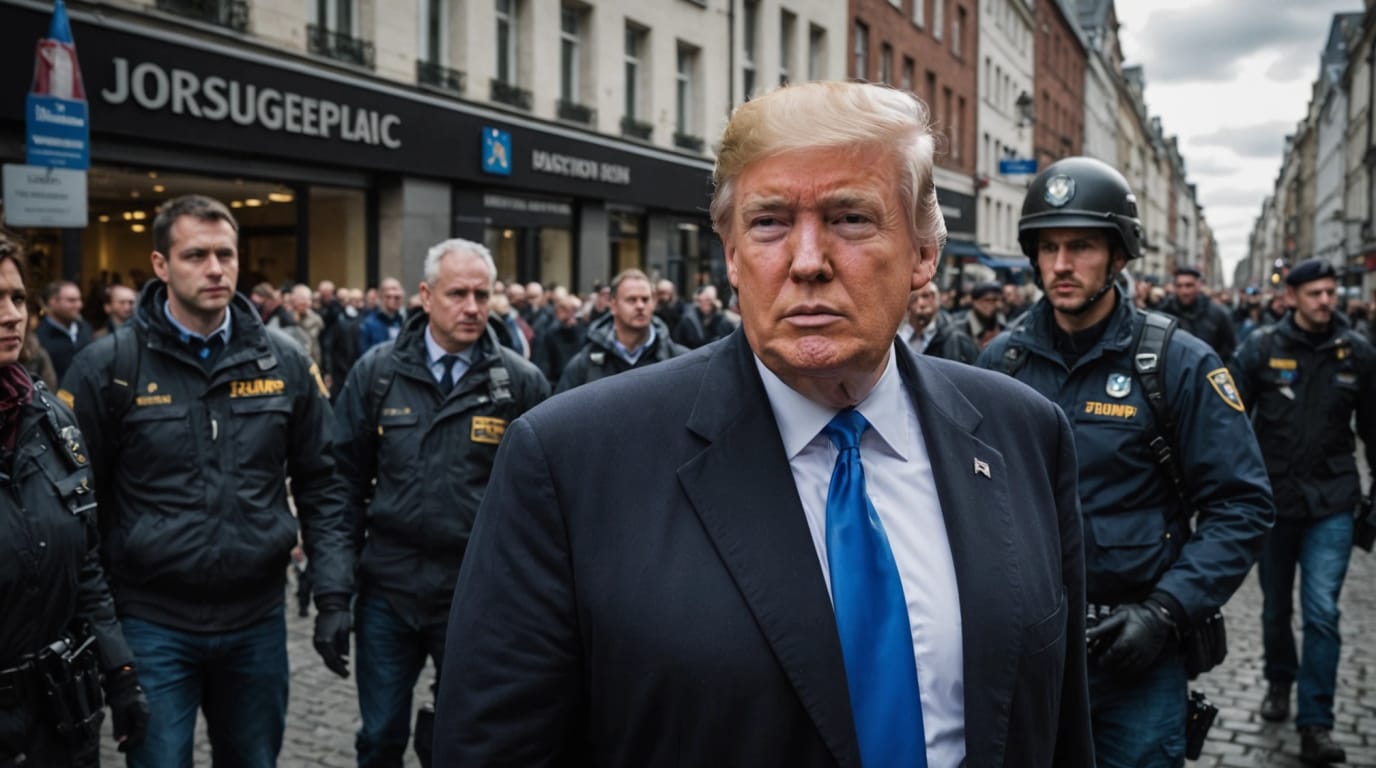
Donald Trump's return to the White House has sparked widespread debate about the future of U.S. policy, particularly concerning climate change, environmental regulations, and scientific research. While many fear a setback in global efforts to combat climate change, some analysts suggest that Europe could paradoxically benefit from Trump's approach, potentially strengthening its position as a global leader in green technology and attracting scientific talent.
A Shift in Global Dynamics
During his first term, Trump withdrew the U.S. from the Paris Agreement and rolled back numerous environmental regulations. His current campaign echoes a similar sentiment, promising to increase fossil fuel production and cut subsidies for renewable energy. This stance has raised concerns about the U.S.'s commitment to climate action and sustainable development. However, this shift could create opportunities for Europe.
Several reports suggest that reduced U.S. investment in renewable energy and environmental protection could allow Europe to regain a competitive edge in sectors like wind and solar energy. The EU's commitment to the Green Deal, a comprehensive plan to make Europe climate-neutral by 2050, could become even more attractive to investors and businesses seeking stable and forward-thinking environmental policies.
Luring Talent Across the Atlantic
The EU's research funding bodies are reportedly considering ways to welcome U.S. scientists and European expatriates who may be seeking a more supportive environment. This includes discussions about "repatriation awards" and expanding programs to attract American scientists. The prospect of funding freezes, restricted data transfer, and censorship related to climate change, gender, and infectious diseases in the U.S. could drive researchers to seek refuge in Europe's more open and collaborative scientific landscape.
Matthias Johannsen, director of the European Federation of Academies of Sciences and Humanities, emphasized Europe's responsibility to uphold academic freedom and provide a values-based safe haven for science as a global public good. The European Research Council (ERC) can offer an additional €1 million to cover start-up costs for researchers moving to the EU from third countries, further incentivizing the transatlantic shift.
Strengthening European Competitiveness
Trump's policies, particularly his focus on increasing fossil fuel production, could widen the energy price gap between the U.S. and Europe, undermining the competitiveness of European industries. However, analysts argue that the only structural solution to the EU's high energy prices is accelerating the green transition. By sticking to its climate and energy strategy, the EU can enhance its economic competitiveness and security while creating clean-tech export opportunities.
The EU's commitment to decarbonization can also serve as a strong signal to global markets, attracting investment in sustainable technologies and industries. This could lead to the creation of new jobs and economic growth, further solidifying Europe's position as a leader in the green economy.
Challenges and Considerations
Despite the potential benefits, Europe faces challenges in capitalizing on the situation. Increased tension between the need to hike defense spending and public investment in climate could create political divisions. Overcoming these divisions and uniting around the objective of pursuing decarbonization is crucial for the EU to fully realize the opportunities presented by Trump's policies.
The EU must also address the incentives and conditions for third-country nationals to attract and retain talent. This includes addressing the mobility of researchers in Europe and streamlining visa policies. Furthermore, the EU needs to ensure that its regulatory environment remains competitive and supportive of innovation in green technologies.
A Call for European Resolve
The return of Donald Trump to the U.S. presidency presents both risks and opportunities for Europe. While his policies may hinder global climate action, they could also serve as a catalyst for Europe to strengthen its leadership in green technology, attract scientific talent, and enhance its economic competitiveness.
However, realizing these benefits requires a unified and determined approach from the EU. By staying committed to the Green Deal, investing in research and innovation, and creating a welcoming environment for scientists and businesses, Europe can solidify its position as a global leader in sustainable development and reap the rewards of a changing global landscape. The next few years will be critical in determining whether Europe can seize this opportunity and emerge as a stronger, more sustainable, and more competitive force on the world stage.