TSMC's U.S. Expansion Sparks Security Concerns in Taiwan Amid China Tensions
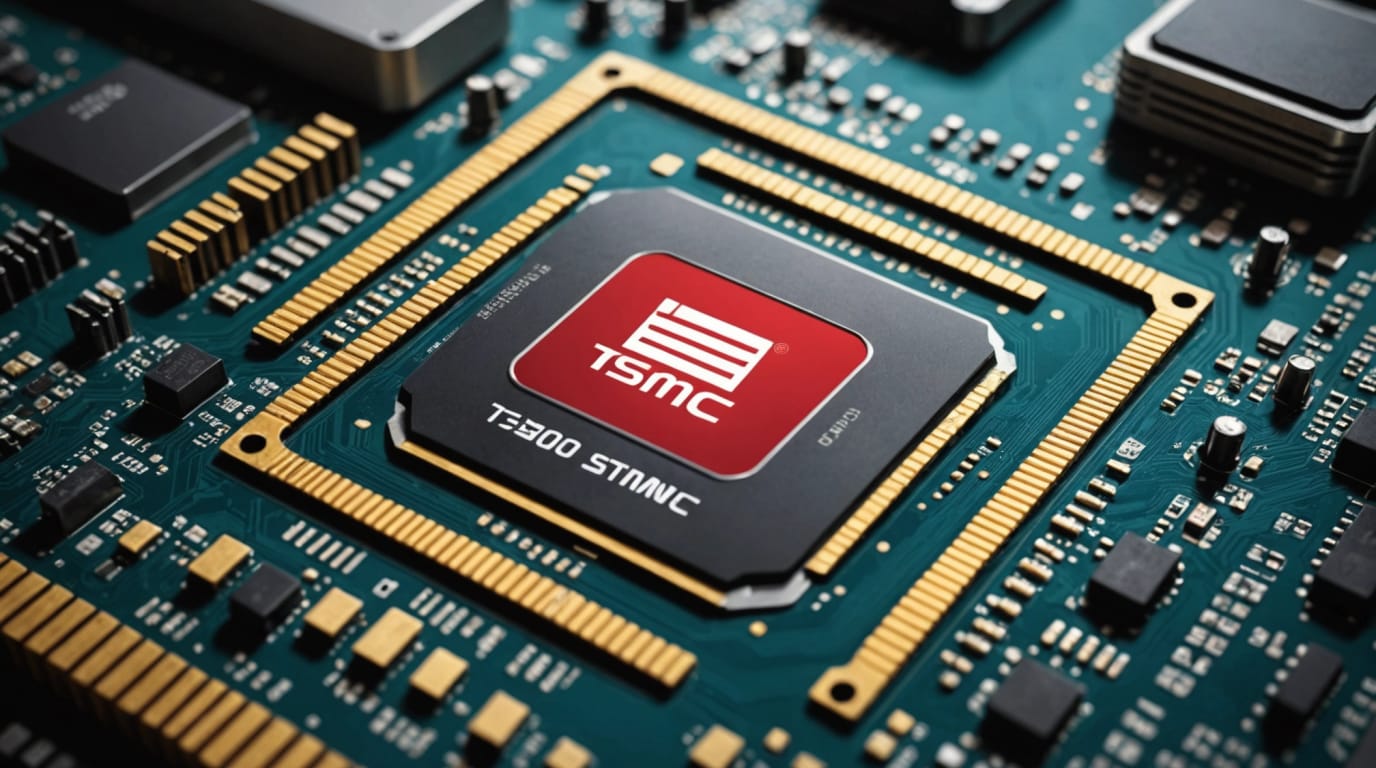
Taiwan Semiconductor Manufacturing Co. (TSMC), the world's leading chipmaker, is significantly expanding its manufacturing footprint in the United States, a move intended to bolster U.S. chip production and reduce reliance on overseas sources. However, this expansion is fueling security anxieties in Taiwan, raising questions about the island's strategic importance and its ability to deter potential aggression from China.
A Massive Investment in U.S. Manufacturing
TSMC recently announced a staggering $100 billion investment in the U.S., adding to its existing $65 billion commitment. This brings the total investment to $165 billion, which TSMC claims is the "largest single foreign direct investment in U.S. history." The new funds will be used to construct three new fabrication plants, two advanced packaging facilities, and a research and development center in the U.S. The facilities will focus on producing advanced chips, including those crucial for artificial intelligence (AI) applications. TSMC's expansion aims to diversify its operations beyond Taiwan, mitigate risks associated with potential disruptions from China, and address potential U.S. tariffs on overseas-made chips.
The "Silicon Shield" Dilemma
Taiwan's dominance in semiconductor manufacturing has long been considered a "silicon shield," protecting the island from potential military action by China. The concentration of chip production in Taiwan serves as a powerful incentive for the U.S. and other nations to defend the island, as any disruption to Taiwan's chip supply would have severe consequences for the global economy. However, as TSMC shifts more production capacity to the U.S., concerns are growing that Taiwan's "silicon shield" could weaken, diminishing its geopolitical importance and potentially reducing the incentive for the U.S. to intervene in the event of a conflict with China.
James Yifan Chen, an assistant professor in the Department of Diplomacy and International Relations at Tamkang University in Taiwan, stated that "Taking away Taiwan's technology sector will reduce the power of Taiwan's 'silicon shield'. Taiwan without semiconductor and tech industries will be like Ukraine without nuclear weapons."
Political Reactions and Assurances
The announcement of TSMC's U.S. expansion has triggered varied reactions in Taiwan. Some lawmakers, particularly from the Chinese Nationalist Party (KMT), have voiced concerns that the move could threaten Taiwan's national security. They worry that if the most advanced chip manufacturing processes are deployed in the U.S., Taiwan would be left vulnerable in the event of a cross-strait conflict.
In response to these concerns, Taiwan's government has sought to reassure the public that it will ensure TSMC keeps its most advanced processes in Taiwan. The Presidential Office has stated that the government would review TSMC's deal "in accordance with the law" and ensure that the "most advanced" chip-making processes stayed in Taiwan. TSMC is expected to begin mass production of 2-nanometer chips in Taiwan in the second half of this year, followed by 1.6-nanometer chips next year. Its first factory in Arizona is using the 4-nanometer process.
Taiwan's Minister of Economic Affairs, Kuo Jyh-Huei, has downplayed concerns that TSMC's U.S. investment will lead to the company becoming "Americanized." Kuo pointed out that TSMC already has plants in the U.S., Japan, and is building a new plant in Germany, emphasizing that these expansions are driven by customer demand and are crucial for TSMC's global development.
U.S. Motives and Tariff Threats
The U.S. government has been actively encouraging TSMC to expand its manufacturing presence in the country, driven by national security concerns and a desire to reduce reliance on foreign chip suppliers. Former President Trump has been a vocal proponent of bringing manufacturing jobs back to the U.S., threatening to impose steep tariffs on companies that do not comply. He has repeatedly accused Taiwan of "stealing" the U.S. semiconductor industry and has consistently affirmed his commitment to boosting domestic manufacturing.
Trump has also suggested that TSMC's investment in the U.S. would shield the company from potential tariffs. "By doing it here, he has no tariffs," Trump said, when asked about the role his tariff threats have played in influencing companies' decisions to invest in the U.S.
Broader Implications for the Semiconductor Industry
TSMC's U.S. expansion is part of a broader trend of diversification and localization in the semiconductor industry. Geopolitical tensions, supply chain vulnerabilities, and government incentives are driving companies to establish manufacturing facilities in multiple locations around the world.
Siemens has announced a $285 million investment in U.S. manufacturing, which includes establishing new facilities in California and Texas. The U.S., Siemens' largest market, will see enhanced manufacturing capabilities and additional AI advancements due to this investment. This has contributed to Siemens' investment of over $100 billion in the U.S. over the past 20 years. Siemens expects to create more than 900 skilled jobs with this initiative.
These investments are expected to create jobs, boost economic growth, and enhance technological capabilities in the U.S. and other countries. However, they also raise complex questions about the future of the global semiconductor supply chain and the geopolitical implications of chip manufacturing.
Conclusion
TSMC's decision to significantly expand its manufacturing operations in the United States is a complex issue with far-reaching implications. While the move is expected to benefit the U.S. by boosting domestic chip production and reducing reliance on foreign suppliers, it has also sparked security concerns in Taiwan, raising questions about the island's strategic importance and its ability to deter potential aggression from China. As the semiconductor industry continues to evolve, it is crucial to carefully consider the geopolitical implications of these developments and to ensure that the benefits of technological progress are shared equitably.