U.S. Climate Action Faces Reckoning as Trump Administration Dismantles Key Environmental Regulations Amid Surging Warming Risks
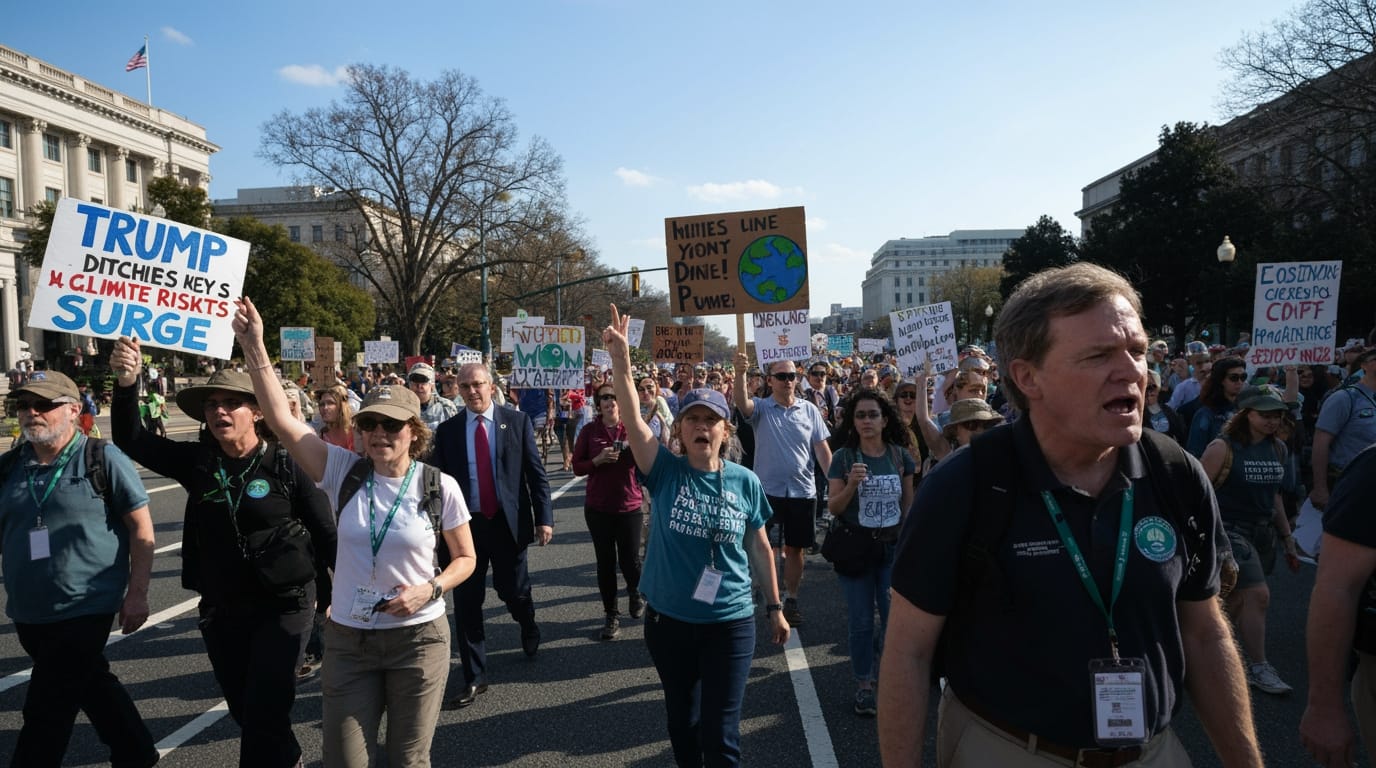
Washington, D.C. – In a profound shift for American environmental policy, the Trump administration has systematically dismantled critical climate regulations, most notably moving to repeal the foundational "endangerment finding" that underpins the government's authority to curb planet-warming emissions. These actions, touted by the administration as efforts to reduce economic burdens and promote energy independence, have drawn widespread condemnation from environmental advocates and scientific communities who warn of exacerbated warming risks and severe public health consequences. The sweeping deregulatory agenda marks a significant departure from previous efforts to address the climate crisis, setting the stage for protracted legal battles and reshaping the nation's environmental landscape.
Dismantling the Legal Cornerstone of Climate Action
At the heart of the Trump administration's environmental overhaul was its challenge to the 2009 "endangerment finding" by the Environmental Protection Agency (EPA). This pivotal scientific conclusion determined that carbon dioxide and other greenhouse gases pose a threat to public health and welfare, thereby establishing the legal basis for the EPA to regulate these emissions under the Clean Air Act. White House officials, including press secretary Karoline Leavitt, characterized the rollback of this finding as "the largest deregulatory action in American history". The administration contended that the Obama-era finding was "flawed and unorthodox" and that the EPA lacked the legal authority under the Clean Air Act to regulate greenhouse gases, a position that contradicts years of scientific consensus and multiple court rulings upholding the finding. Critics, however, asserted that the move ignored scientific evidence that has only grown stronger since the finding was codified, arguing it reflected a determination to undermine the EPA's public health and environmental mission.
Undermining Emissions Controls: Power Plants, Vehicles, and Methane
Beyond the foundational endangerment finding, the Trump administration pursued specific rollbacks impacting major sources of greenhouse gas emissions. A significant action included the replacement of the Obama-era Clean Power Plan (CPP) in June 2019 with the less stringent Affordable Clean Energy (ACE) Rule. While the CPP aimed to establish emission guidelines for states to limit carbon dioxide from existing power plants, the ACE rule offered states broad discretion and did not establish numeric emission guidelines or reduction targets. This change was projected to have a minimal impact on reducing emissions compared to its predecessor, with environmental groups arguing it would do "virtually nothing" to protect against climate change.
The administration also targeted vehicle emission standards, moving to eliminate or significantly weaken tailpipe pollution regulations known as Corporate Average Fuel Economy (CAFE) rules. These standards, which had become increasingly ambitious under the Biden administration, were designed to encourage the production of less-polluting vehicles, including electric vehicles. The rollback was defended by the EPA as allowing consumers to continue purchasing less fuel-efficient vehicles, but environmental and health experts warned of increased carbon dioxide emissions and detrimental health impacts.
Furthermore, methane emissions, a potent greenhouse gas approximately 80 times more powerful than carbon dioxide over a 20-year period and responsible for almost 30% of global warming experienced so far, saw a significant loosening of regulations. The administration repealed or delayed Obama-era rules requiring oil and gas producers to implement measures to stop natural gas leaks at drilling sites, despite the fact that some major oil and gas companies had supported retaining these regulations. These actions threatened to expose millions of Americans to dangerous pollution for extended periods, drawing strong opposition due to health risks and the waste of energy.
A Broad Deregulatory Agenda and its Human Cost
The climate rule rollbacks were part of a broader deregulatory push by the Trump administration that affected various environmental protections. This included the repeal of the Clean Water Rule and the rewriting of the EPA's pollution-control policies, which benefited industries like chemicals. The administration also revoked an executive order requiring federal agencies to assess climate-related risks to the U.S. economy and initiated steps to pause or reverse climate risk disclosure rules for corporations.
Analyses of these extensive rollbacks painted a grim picture of their potential human and economic toll. A 2018 analysis projected that the Trump administration's environmental reversals could "cost the lives of over 80,000 US residents per decade and lead to respiratory problems for many more than 1 million people". Experts also warned that the new rules, while potentially saving corporations money in the short term, could lead to trillions in climate damages and healthcare costs, with some analyses suggesting that existing climate rules could prevent tens of thousands of deaths and save the U.S. $275 billion annually. These figures underscore the significant human interest element at stake, as policy decisions directly impact public health and well-being.
Fierce Opposition and Looming Legal Battles
The Trump administration's aggressive environmental policy shifts were met with immediate and fierce opposition from environmental advocacy groups, states, and legal experts. Organizations like the National Resources Defense Council, Environmental Defense Fund, and Earthjustice pledged to challenge the rollbacks in court, viewing them as an "audacious anti-environment move" and the "biggest attack ever on federal authority to tackle the climate crisis". Legal experts predicted that the repeal of the endangerment finding would lead to years of litigation, potentially reaching the Supreme Court, and could even open a "new front" for lawsuits against polluters under public nuisance laws. Industry groups, while generally favoring deregulation, expressed concern about the potential for increased litigation resulting from the legal ambiguity created by rescinding the endangerment finding. Many argued that the administration was replacing sound science with political agendas, prioritizing corporate profits over environmental protection.
The Enduring Legacy and Future of Climate Policy
The Trump administration's decision to shed key climate regulations represents a watershed moment in U.S. environmental history. By repealing the fundamental legal basis for regulating greenhouse gases and weakening specific emissions controls, the administration created a legacy of deregulation that critics argue will accelerate climate change and endanger public health. These actions have not only stirred domestic controversy but have also had implications for the U.S.'s standing on the international stage, particularly given previous withdrawals from global climate agreements like the Paris Agreement. As warming risks continue to surge globally, the long-term consequences of these policy reversals remain a subject of intense debate and are likely to shape environmental policy discussions and legal battles for years to come. The future trajectory of climate action in the United States will undoubtedly be influenced by the enduring impact of these decisions and the ongoing efforts to address a rapidly changing climate.