U.S. Engages in Separate Talks With Ukraine and Russia Amid Ceasefire Efforts
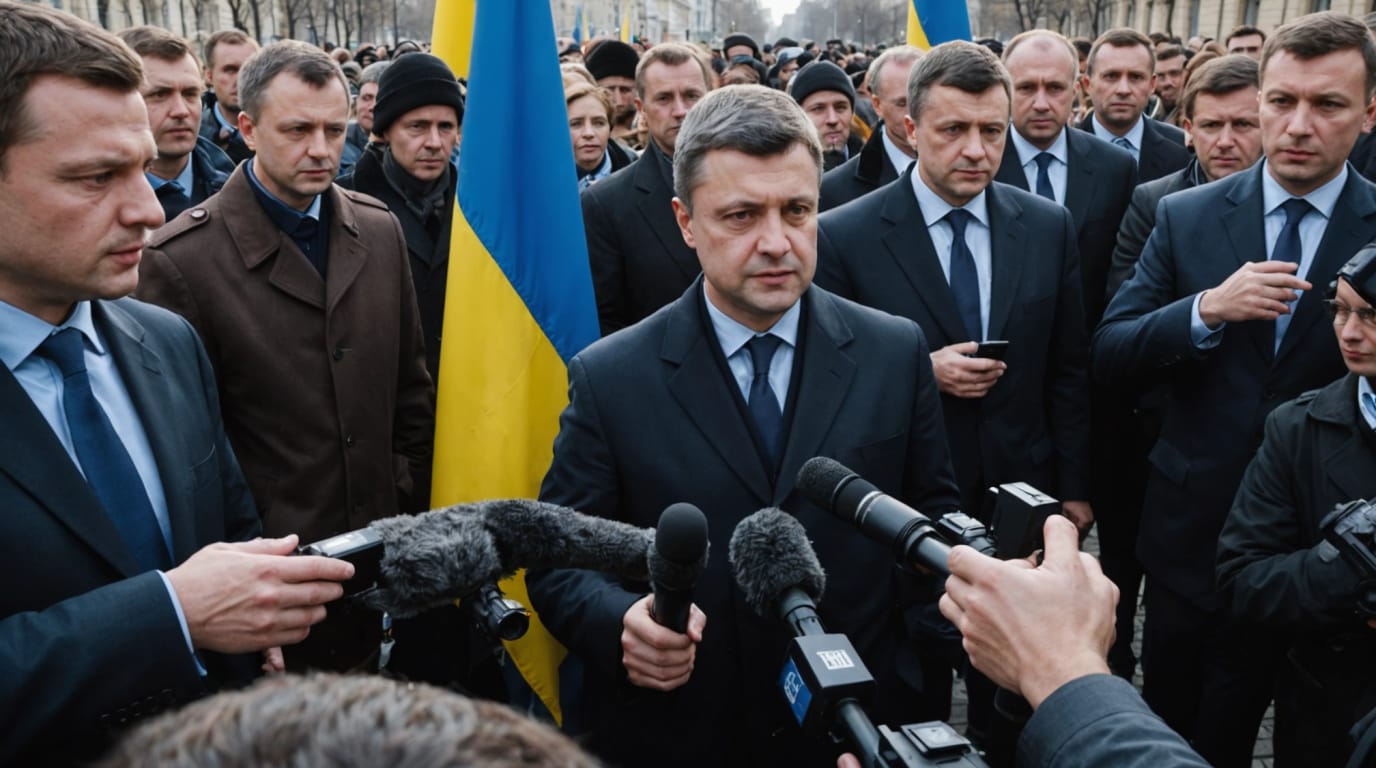
Negotiations aimed at de-escalating the three-year conflict in Ukraine intensified this week as U.S. officials held separate talks with delegations from Kyiv and Moscow in Riyadh, Saudi Arabia. The meetings, spurred by a push from U.S. President Donald Trump for a swift resolution, focused on securing a partial ceasefire and addressing key sticking points that have hindered previous attempts at a truce.
Marathon Talks in Riyadh
U.S. negotiators worked late into the night Monday, engaging in over 12 hours of consultations with their Russian counterparts, according to Russian state media. This followed a meeting on Sunday between the U.S. team and Ukrainian negotiators. While details of the discussions remained scarce, a joint statement on the outcomes was expected Tuesday. The location of the talks in Riyadh underscores the efforts to find neutral ground for these sensitive discussions.
Grigory Karasin, a senior Russian negotiator, characterized the talks as "useful" and indicated Russia's desire to involve the United Nations and other countries in future discussions. A source within the Ukrainian negotiating team told AFP that they were expecting a second meeting with the U.S. delegation on Monday, signaling potential progress.
Black Sea Initiative Revival
A central focus of the negotiations is the potential revival of the Black Sea Initiative, a 2022 agreement that facilitated the export of millions of tons of grain and other food products from Ukrainian ports. Russia withdrew from the initiative in 2023, citing unmet conditions regarding sanctions relief on its own agricultural exports.
Kremlin spokesman Dmitry Peskov confirmed that the Black Sea Initiative was on the agenda, with discussions encompassing all aspects related to its potential renewal. Ukraine is particularly interested in securing a cessation of attacks on its ports in Odesa, Kherson, and Mykolaiv, which are crucial for its export capabilities.
Sticking Points and Trump's Involvement
Despite the ongoing negotiations, significant disagreements persist between the warring parties. One major obstacle is defining which targets would be off-limits under a ceasefire agreement. While the White House has stated that "energy and infrastructure" should be protected, the Kremlin has interpreted this more narrowly, focusing solely on "energy infrastructure." Ukrainian President Volodymyr Zelensky seeks broader protections, including railways and ports.
President Trump has taken a personal interest in resolving the conflict, even floating the idea of the U.S. taking control of the Zaporizhzhia Nuclear Power Plant, a facility seized by Russia early in the war. He suggested that U.S. expertise could ensure the plant's safe operation. Last week, Trump proposed a 30-day ceasefire, which Kyiv accepted but Moscow rejected, demanding a halt to arms supplies to Ukraine and a suspension of military mobilization.
Attacks Continue Amidst Negotiations
While diplomats engage in talks, the conflict on the ground continues. A missile attack on Sumy in northeastern Ukraine wounded nearly 90 people, including 17 children, according to President Zelensky. The attack damaged apartments and an educational facility, highlighting the ongoing human cost of the war. Both Russia and Ukraine have continued to launch attacks across their borders, underscoring the fragility of the situation.
Potential Revenue Sharing
Adding another layer to the complex negotiations, President Trump said Monday that he expected to seal a U.S.-Ukraine revenue-sharing deal on critical Ukrainian minerals soon. His administration is also reportedly in talks with Kyiv about the prospect of U.S. firms owning Ukrainian power plants. These potential economic agreements could play a role in shaping the future relationship between the two countries, regardless of the outcome of the ceasefire negotiations.
Conclusion
The outcome of the ongoing negotiations remains uncertain. While the U.S. is actively engaged in seeking a resolution, significant obstacles and disagreements persist. The potential revival of the Black Sea Initiative offers a glimmer of hope for de-escalation, but the continued attacks and the complex web of political and economic interests underscore the challenges ahead. As the talks continue, the world watches, hoping for a breakthrough that can bring an end to the suffering and destruction in Ukraine.