U.S. Troop Drawdown in Europe Expected to Span Years, NATO Commander Confirms
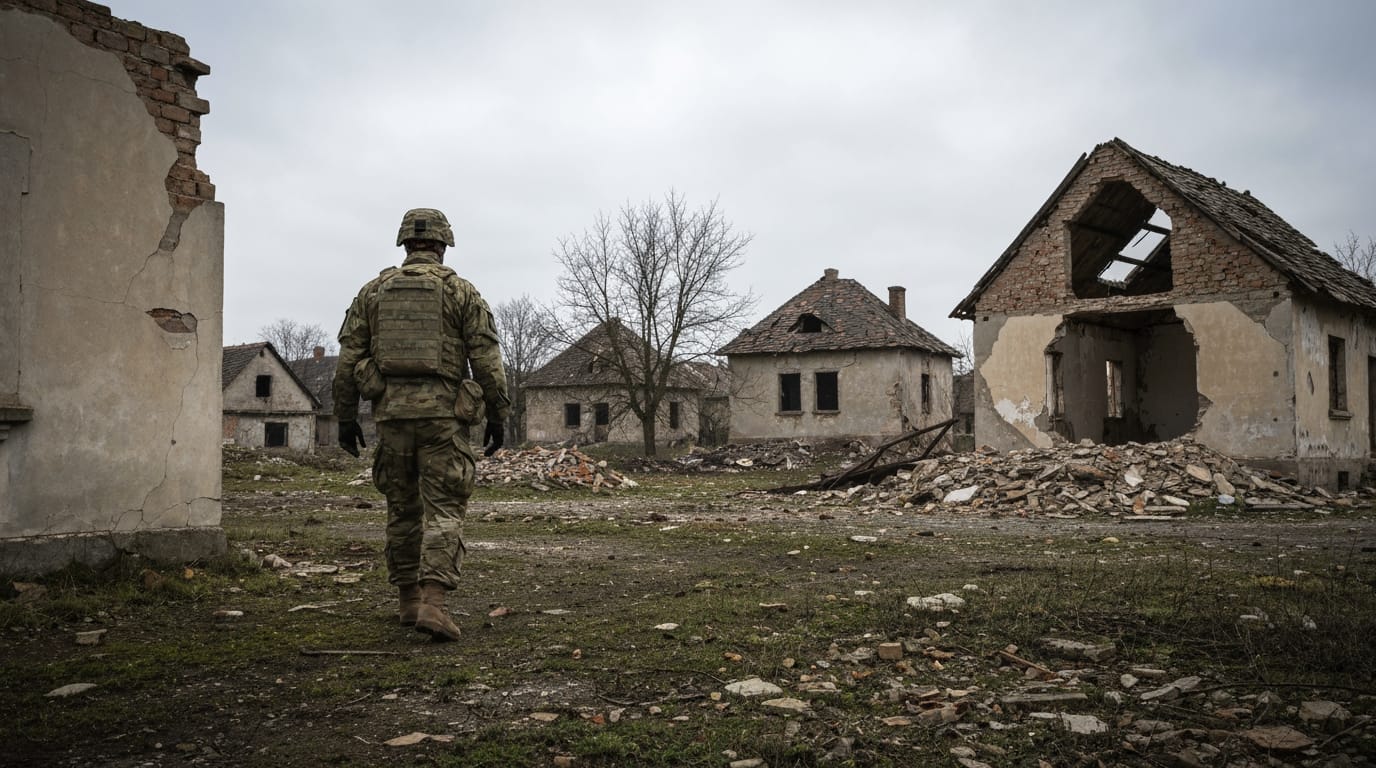
BRUSSELS — The United States has initiated a phased reduction of its military presence in Europe, a process expected to unfold over several years, according to U.S. Air Force General Alexus Grynkewich, the Supreme Allied Commander Europe (SACEUR). Speaking in Brussels following a meeting of NATO military chiefs on Tuesday, General Grynkewich confirmed that while an initial withdrawal of approximately 5,000 troops is underway, the broader realignment of forces is a long-term strategic evolution aimed at bolstering European allies' defense capabilities. This strategic recalibration underscores a shifting burden-sharing dynamic within the transatlantic alliance, prompting both reassurances and concerns among member states.
A Phased Repositioning Takes Shape
General Grynkewich articulated that the repositioning of U.S. forces is not an abrupt departure but a deliberate, ongoing process designed to allow European partners sufficient time to enhance their own military capacities. "As the European pillar of the alliance gets stronger, this allows the U.S. to reduce its presence in Europe and limit itself to providing only those critical capabilities that allies cannot yet provide," Grynkewich stated. He refrained from providing an exact timeline, emphasizing that the process would span "several years."
The current withdrawal includes approximately 5,000 troops from the roughly 80,000 U.S. personnel currently stationed across Europe. A significant portion of this initial reduction involves an armored brigade returning from Germany, alongside the cancellation of a previously planned deployment of a long-range fires battalion to Poland. Additionally, "additional minor elements" comprising several hundred troops are slated for redeployment. Despite these movements, Grynkewich assured allies that these decisions "do not affect the executability of NATO's regional plans" and that he remained "very comfortable with where we are" regarding the alliance's defense posture.
Shifting Sands of Alliance Strategy
The genesis of this strategic pivot lies partly within the broader U.S. National Defense Strategy, which increasingly calls for European allies to assume greater responsibility for their conventional defense. This push aligns with long-standing calls from U.S. President Donald Trump's administration for European NATO members to increase their defense spending and contribute more to collective security. President Trump has repeatedly voiced animosity toward some European allies, leading to concerns about the enduring U.S. commitment to the alliance in some capitals. The administration had, for some time, signaled its intent to reallocate forces globally to address other emerging threats, framing the European withdrawals as part of this wider strategic re-evaluation. The extent and pace of future withdrawals will largely hinge on how quickly NATO countries fulfill their defense obligations and develop their capabilities.
Geopolitical Currents and Allied Concerns
The latest troop withdrawal announcements have not been without geopolitical friction. European officials expressed surprise at the timing, particularly as the decision to withdraw 5,000 troops from Germany appeared linked to German Chancellor Friedrich Merz's criticism of Washington's handling of the conflict in Iran. This unexpected connection amplified concerns among allies regarding the U.S.'s decision-making process.
Furthermore, the cancellation of the armored brigade rotation to Poland prompted "concern and confusion" among Polish military and political leadership, underscoring the sensitivities surrounding force deployments on NATO's eastern flank. While European governments generally acknowledge the necessity of increased defense spending and responsibility, many fear that a hasty or poorly coordinated U.S. withdrawal could create vulnerabilities, particularly in the face of perceived threats from Russia. Moscow, for its part, consistently denies any aggressive intentions toward NATO members. The forthcoming meeting of NATO foreign ministers in Sweden, which will include U.S. Secretary of State Marco Rubio, and a subsequent summit with President Trump in Turkey in July, are expected to be critical venues for smoothing over these tensions and showcasing Europe's commitment to increased defense spending.
Implications and the Future of NATO's European Pillar
The multi-year timeline for troop redeployment signals a deliberate, rather than precipitous, shift in the transatlantic security architecture. The stated objective is to enable the "European pillar" of NATO to become more robust and self-reliant, allowing the U.S. to "pull capability back and use it for other global priorities." This ongoing adjustment aims to foster greater interoperability and capability development among European militaries, ensuring that the alliance can continue to effectively execute its defense plans without compromising security.
Ultimately, the process of U.S. troop withdrawal from Europe is more than a simple logistical exercise; it represents a fundamental rebalancing of responsibilities within NATO. While the commitment to collective defense remains, the operational burden is increasingly shifting, requiring European allies to accelerate their investment in military readiness and capacity. The success of this long-term strategy will be measured by the alliance's continued cohesion and its ability to deter and defend against future threats, even as its internal dynamics evolve.