UAE Denies Role Amid Mounting Allegations of Support for RSF and Colombian Mercenaries in Sudan War
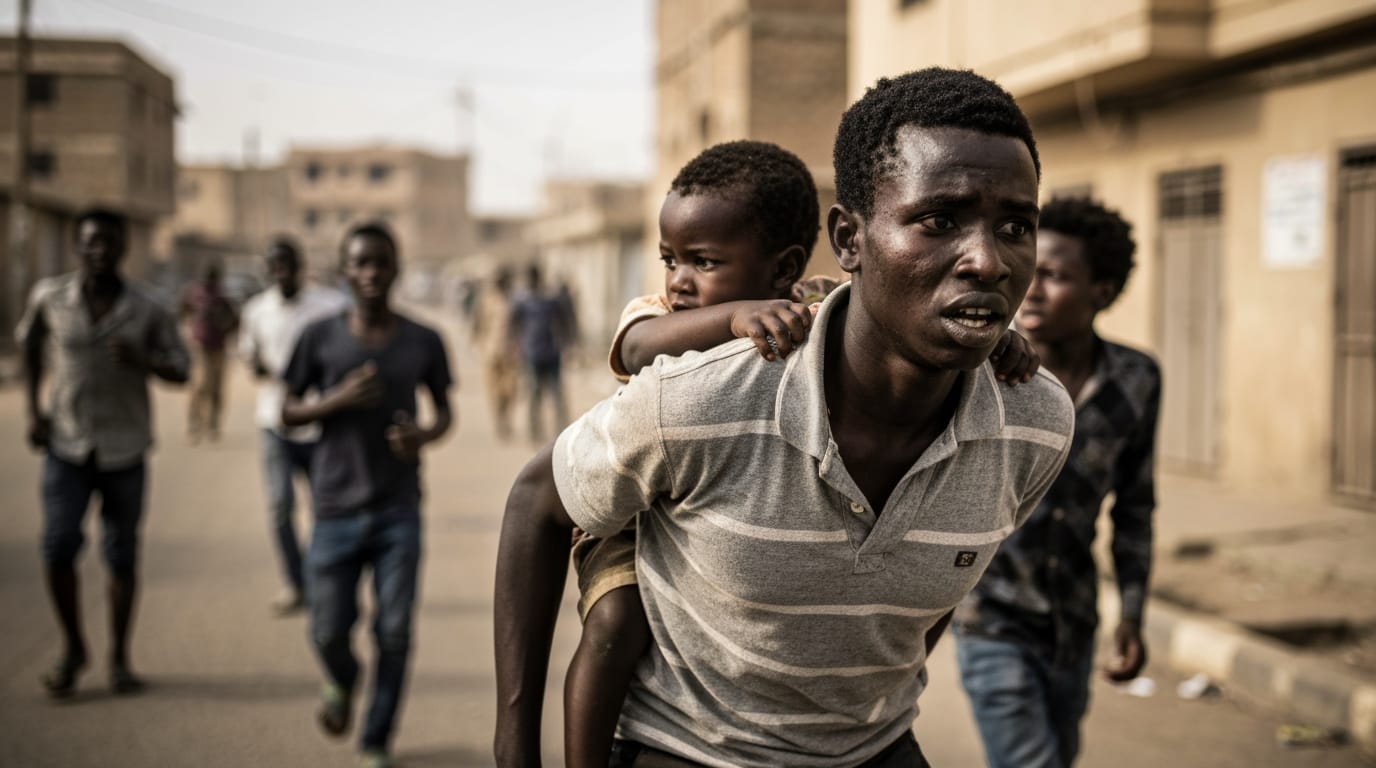
The United Arab Emirates (UAE) has steadfastly denied allegations of its involvement in the devastating conflict in Sudan, specifically refuting claims of providing military and financial support to the Rapid Support Forces (RSF) and facilitating the deployment of Colombian mercenaries. These denials come as human rights organizations and international bodies increasingly point to a growing body of evidence suggesting the Gulf nation's direct or indirect role in fueling the brutal civil war, now entering its fourth year. The conflict has plunged Sudan into a catastrophic humanitarian crisis, displacing millions and causing widespread death and destruction.
The ongoing war between the Sudanese Armed Forces (SAF) and the RSF, which erupted in April 2023, has its roots in a protracted power struggle following a 2021 coup. What began as internal political tensions has escalated into a full-blown civil war, characterized by widespread atrocities, war crimes, and allegations of genocide, particularly in the Darfur region. The humanitarian toll is staggering, with over 10 to 14 million people displaced and an estimated 26 million facing dire food insecurity, creating the world's largest displacement and hunger crisis. Against this backdrop, accusations of foreign interference have further complicated international efforts to broker peace and deliver aid.
Persistent Allegations and Firm Denials
The UAE has consistently rejected accusations of its involvement in the Sudanese conflict. Emirati officials have repeatedly stated that their nation "categorically rejects" claims of providing weapons, funding, trainers, or logistical support to the RSF. They maintain that their engagement in Sudan is strictly humanitarian, focusing on aid delivery, ceasefire efforts, civilian protection, and accountability. The UAE Ministry of Foreign Affairs has asserted that its territory is not used for the recruitment, training, financing, or transit of foreign fighters to any conflict, including Sudan.
Despite these firm denials, Sudan's military government has lodged formal complaints, including with the UN Security Council, accusing the UAE of backing the RSF and deploying foreign mercenaries. These complaints cite what Khartoum describes as "extensive evidence" of a "systematic campaign by the UAE to undermine the peace and security and the sovereignty of Sudan through the recruitment, financing and deployment of mercenaries." The alleged support includes Chinese-made weapons, drones, and other military equipment, purportedly supplied to the RSF. These allegations have contributed to a significant diplomatic escalation between Khartoum and Abu Dhabi, with Sudan previously boycotting the UAE and accusing it of blocking peace efforts.
The Colombian Mercenary Connection Unveiled
A focal point of the accusations against the UAE involves the alleged recruitment and deployment of Colombian private military contractors to fight alongside the RSF. Detailed reports from organizations such as Human Rights Watch (HRW) and the Conflict Insights Group (CIG) have brought these claims to the forefront. These investigations suggest that an Abu Dhabi-based security firm, Global Security Services Group, hired hundreds of Colombian former military personnel.
The reports detail a sophisticated operation where these Colombian recruits were allegedly trained by Emirati nationals at military facilities within the UAE, including sites in Al Dhafra, Ghiyathi, and Al Wathba, before being deployed to Sudan. The transit routes reportedly involved private flights from Abu Dhabi to Benghazi in Libya, and from there, an overland journey to Darfur. Other reports indicate transit through eastern Libya, a stronghold of UAE-backed warlord Khalifa Haftar, and through the Emirati military base in Puntland, Somalia.
Once in Sudan, these foreign fighters are alleged to have played crucial roles, including operating drones, tracking soldiers, and participating in direct combat operations. Their presence was noted during significant RSF offensives, such as the takeover of El Fasher, the capital of North Darfur, in October 2025. Disturbingly, testimonies from some contractors reveal that they were reportedly misled about the nature of their assignments, believing they would be providing security for oil drilling sites rather than engaging in direct combat in a brutal civil war. Furthermore, there are serious human rights concerns, with claims that some Colombian contractors were involved in supporting the RSF's training of child soldiers.
The Wider Devastation of Sudan's Conflict
The allegations of external support for the RSF underscore the complex and internationalized nature of Sudan's conflict. The war has created an unparalleled humanitarian catastrophe, with both the RSF and the SAF accused of committing severe human rights abuses. Reports of mass killings, widespread sexual violence, ethnic cleansing, and attacks on civilian infrastructure are pervasive. The RSF, a paramilitary group that evolved from the notorious Janjaweed militias, has been particularly implicated in atrocities in Darfur.
The strategic city of El Fasher, which fell to the RSF in October 2025 after an 18-month siege, represents a critical flashpoint where the alleged involvement of foreign mercenaries is said to have been instrumental. The fall of the city triggered further widespread violence and displacement, exacerbating an already dire situation. While the focus of recent allegations has been on UAE support for the RSF, the Sudanese Armed Forces have also reportedly received external assistance from other regional actors, including Iran, Turkey, and Russia, highlighting the deep regional entanglement in the conflict.
International Calls for Scrutiny and Accountability
The mounting evidence and persistent allegations have spurred calls from international human rights organizations and some governments for greater transparency and accountability regarding foreign involvement in Sudan. Human Rights Watch and the Conflict Insights Group have urged for thorough investigations into the alleged UAE support, emphasizing the need for international action to address the flow of arms and mercenaries into the conflict zone.
The United Nations, United States, and various NGOs have long raised concerns about external interference, with some advocating for strengthened embargos to prevent further fueling of the war. The Biden administration previously imposed sanctions on the leaders of both the RSF and SAF, citing their responsibility for war crimes committed during the conflict. In a notable development, the Colombian government has reportedly apologized to Sudanese authorities for the involvement of its citizens in the conflict, acknowledging the presence of Colombian nationals fighting alongside the RSF. This acknowledgment underscores the international dimension of the mercenary issue and the need for global cooperation to address it.
As the Sudanese civil war continues its devastating trajectory, the international community faces increasing pressure to scrutinize and respond to allegations of external support that may be prolonging the conflict and intensifying human suffering. The UAE's denials stand in stark contrast to the growing body of evidence presented by human rights groups, leading to persistent calls for an end to impunity and for genuine efforts towards peace and accountability in Sudan. The involvement of foreign fighters, allegedly facilitated by external actors, adds a complex and troubling layer to a conflict that has already claimed tens of thousands of lives and displaced millions, underscoring the urgent need for a comprehensive and impartial international response.