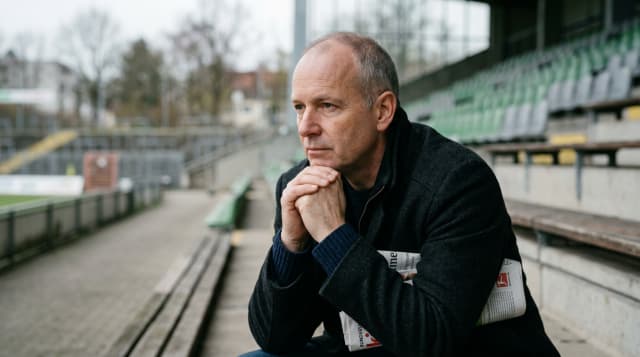
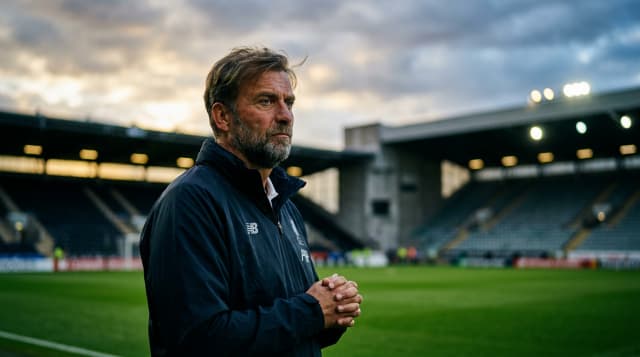
UEFA Calls Emergency Meeting as Football World Reels from FIFA's Commercial Rights Proposal
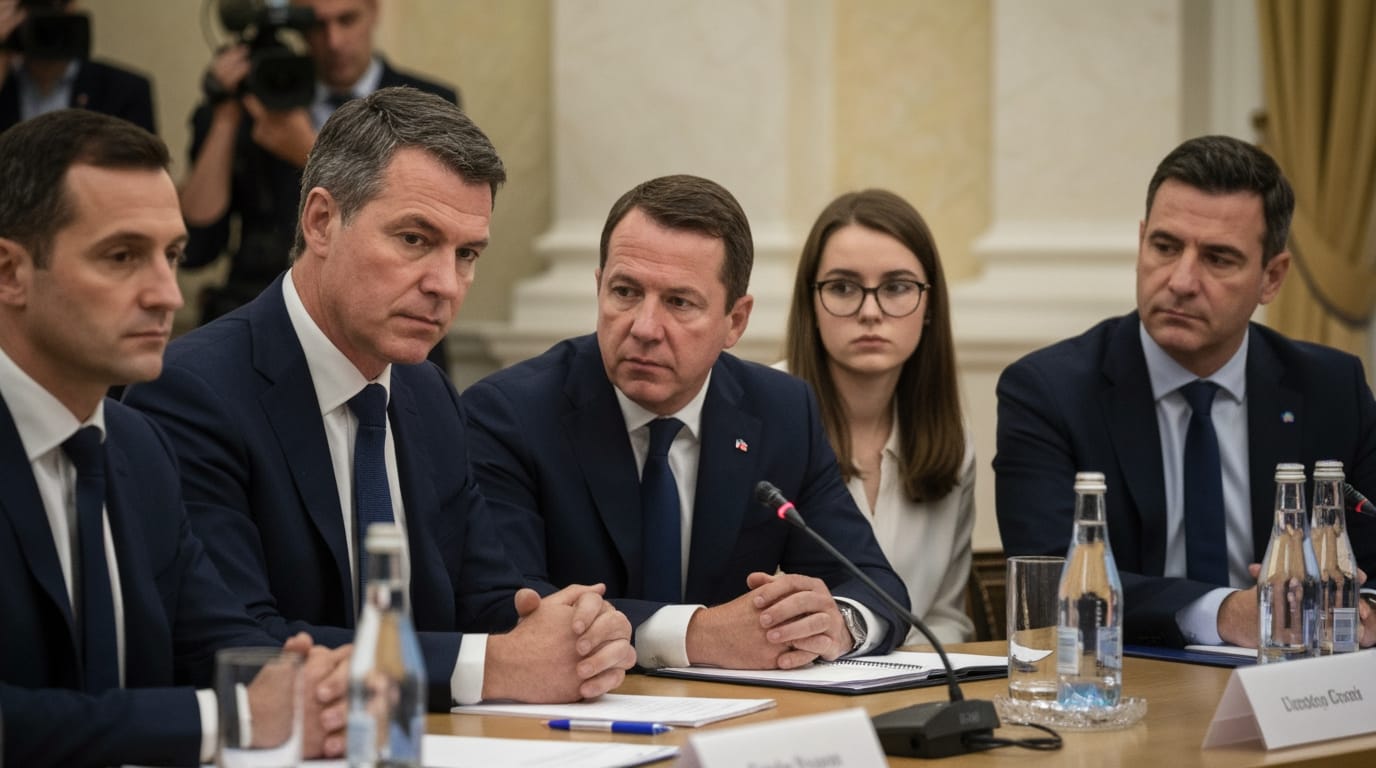
NYON, SWITZERLAND – European football's governing body, UEFA, is convening an emergency meeting today, Thursday, July 30, 2026, to address FIFA's highly controversial proposal to establish a new commercial entity and sell a stake in the World Cup's lucrative commercial rights to private investors. The move has ignited a fierce power struggle at the pinnacle of global football, with UEFA threatening a potential boycott of future FIFA tournaments, including the upcoming Women's World Cup, and accusing the world governing body of attempting to "sell the soul" of the sport for financial gain.
The urgent virtual gathering of UEFA's 55 member associations underscores the gravity of the rift between the two influential organizations. FIFA's latest initiative follows a history of contentious proposals that have consistently pitted its global ambitions against European football's established structures and financial might. The outcome of these high-stakes deliberations could profoundly reshape the governance, commercial landscape, and long-term trajectory of the world's most popular sport.
FIFA's Bold New Commercial Venture Ignites Outcry
The immediate catalyst for UEFA's emergency session is FIFA President Gianni Infantino's audacious plan to create a new commercial subsidiary, the FIFA Forward Enterprise (FFE). This newly proposed entity would centralize and manage all of FIFA's commercial rights, encompassing broadcast, sponsorship, ticketing, and licensing for its various competitions, including the flagship World Cup. The core of the controversy lies in FIFA's intention to sell a minority stake in the FFE to private investors, a deal reportedly valued at approximately $20 billion, with Thrive Capital, led by Joshua Kushner, a prominent figure in American business and politics, cited as a potential investor.
In an effort to garner support from its 211 member associations, FIFA presented a compelling financial incentive: a package potentially worth up to $40 million for each federation during the 2027-2030 cycle. Member associations were given a strict deadline of September 19 to either endorse the proposal and receive an initial $20 million payment or decline the offer and forgo the enhanced funding. FIFA has framed the proposal as a means to "democratize football worldwide" and channel significant investment into grassroots projects, particularly in underserved regions. However, critics, led by UEFA, argue that this approach smacks of an ultimatum, designed to push through a transformative change without adequate consultation or transparent debate.
UEFA's Unwavering Opposition and Boycott Threats
UEFA's response to FIFA's commercial proposal has been swift and unsparing, escalating an already tense relationship. The European governing body has issued strong statements, asserting that FIFA's actions "cross a line that football's governing institutions should never cross" and that "the World Cup is not FIFA's to sell." These condemnations reflect a deep-seated concern that the commercialization of football's most revered tournament by private equity firms could fundamentally alter the sport's ethos, prioritizing profit over its inherent values and integrity.
During preliminary discussions, the prospect of a European boycott of FIFA tournaments, including potentially the upcoming Women's World Cup, has been raised as a formidable option to counter the proposal. While acknowledging a reluctance to negatively impact the women's game, the consideration of such a drastic measure underscores the seriousness with which UEFA views this challenge. UEFA believes that FIFA's latest move demonstrates a pattern of self-enrichment, accusing the organization of "using our sport to enrich themselves and their friends." The European body advocates for a more sustainable and collaborative approach to developing the game, emphasizing the need to prioritize associations, clubs, leagues, players, and fans over private financial interests.
The proposed FFE is seen by UEFA as an existential threat, potentially empowering FIFA to directly compete with European competitions for calendar space and commercial influence. The underlying mistrust between the two bodies, frequently characterized by power struggles over control and revenue, has reached a critical juncture with this latest development.
Echoes of Past Conflicts: The Biennial World Cup Debate
This is not the first time FIFA's ambitions for the World Cup have met with staunch opposition from UEFA and other major stakeholders. Just a few years prior, in 2021, FIFA, spearheaded by its Chief of Global Football Development, Arsène Wenger, controversially championed a proposal to hold the World Cup every two years instead of the traditional quadrennial cycle. Wenger argued that a biennial World Cup would enhance player welfare by reducing "shorter breaks" in the calendar and replacing numerous qualifying games with more meaningful tournament matches. He also contended that the fans desired more frequent high-stakes knockout games.
However, this proposal was met with widespread condemnation from across the footballing world. UEFA and CONMEBOL (South America's governing body) vociferously opposed the idea, threatening a boycott if the plan proceeded. Their primary concerns revolved around the potential "dilution" of the World Cup's prestige and unique value, the increased strain on players leading to burnout and injuries, and the adverse impact on existing continental competitions like the European Championship and club football schedules. Organizations such as the European Club Association (ECA) and global players' union FIFPRO also voiced strong objections, highlighting the lack of consultation and the potential for a destructive impact on both domestic and international club football. Ultimately, facing overwhelming resistance, FIFA's biennial World Cup plan failed to materialize, serving as a significant precedent for the current standoff.
The Global Football Landscape Responds
While UEFA stands as the most prominent opponent, its position has found significant resonance across the global football community. CONCACAF (North, Central American, and Caribbean) and the Asian Football Confederation (AFC) have both expressed "deep concern over the lack of due process" and disapproval of FIFA's commercial plans, lending crucial support to UEFA's stance. This alignment of powerful confederations significantly strengthens the opposition, as together they represent a substantial voting bloc within FIFA's 211 member associations.
The European Leagues organization, representing numerous domestic competitions, has unequivocally stated that FIFA's proposals constitute "a reckless and divisive development for world football." Similarly, FIFPRO, the global players' union, has urged FIFA to reconsider its proposal, warning that such a move would "fundamentally and irreversibly reshape the incentives underpinning the competitions."
However, the landscape is not entirely unified. FIFA's offer of $40 million funding packages has created an internal division, particularly among smaller national federations that stand to gain substantially. The Czech Republic's football association, for instance, has openly acknowledged the "pragmatic benefits for Czech football" from Infantino's proposals, becoming the first European member to publicly back the plan. This dynamic underscores FIFA's strategy to leverage the votes of its smaller members, who comprise the majority, against the powerful financial and political influence of the larger confederations.
A Defining Moment for Football's Future
Today's emergency meeting at UEFA marks a critical juncture in the ongoing battle for control and direction within international football. The proposed FIFA Forward Enterprise and the sale of World Cup commercial rights to private investors represent a fundamental challenge to the sport's traditional governance and financial model. UEFA's firm stance, backed by other major confederations and stakeholders, pits the integrity and established structures of the game against FIFA's vision of enhanced global financial distribution and expansion.
The implications of this power struggle extend far beyond the immediate financial gains or losses. At stake are the future of the international football calendar, player welfare, the competitive balance between club and international football, and ultimately, the very identity of the World Cup as a global sporting spectacle. With the September 19 deadline looming for member associations to decide on FIFA's proposal, the decisions made in the coming weeks will undoubtedly shape the trajectory of football for generations, determining whether the sport embraces a more commercially driven future or maintains its current, albeit imperfect, balance of power.