UK and France Spearhead Meeting on Future Ukraine Force Amidst Ongoing Tensions
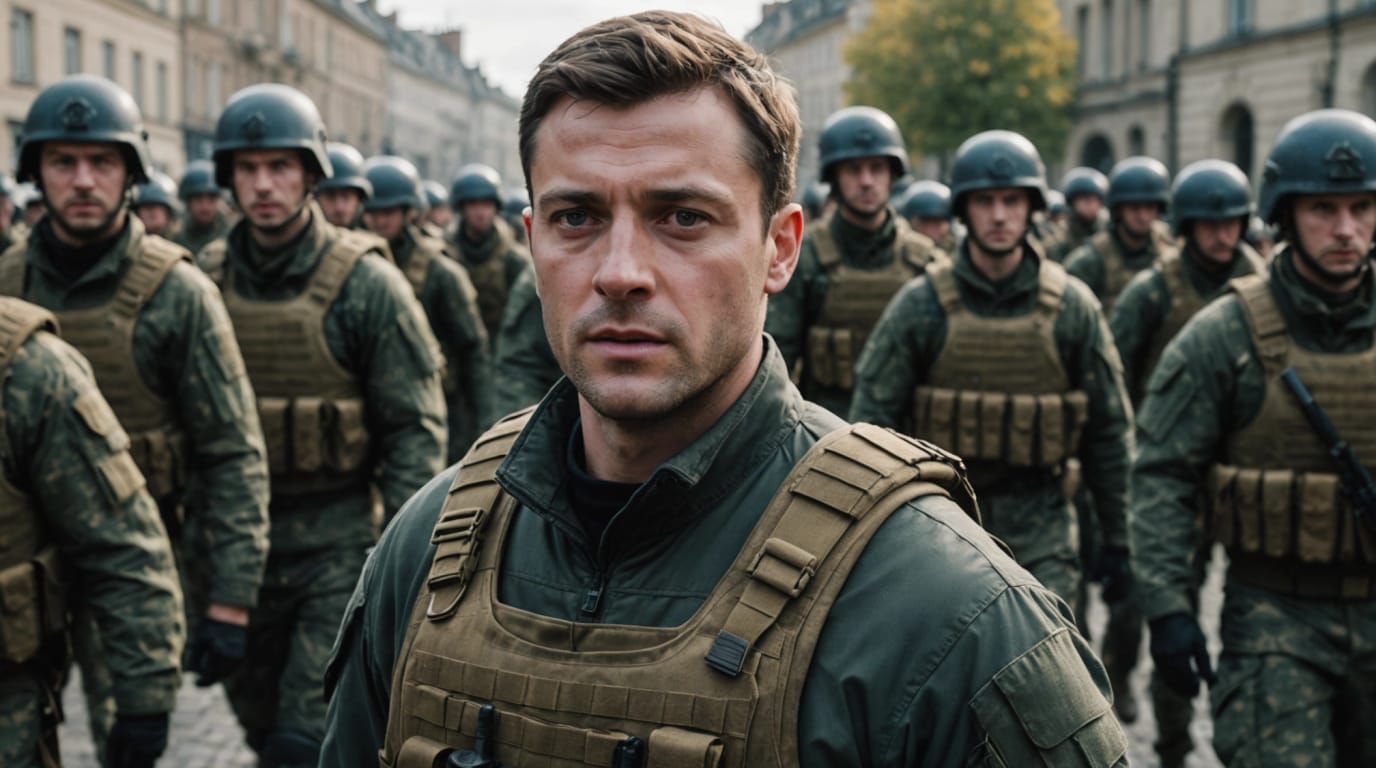
Brussels - Defense ministers from approximately 30 nations convened in Brussels today, led by the United Kingdom and France, to advance plans for a potential troop deployment in Ukraine aimed at maintaining peace in the event of a future agreement with Russia. The meeting, the first of its kind for the "coalition of the willing" at the NATO headquarters, follows a recent visit to Kyiv by high-ranking British and French military officials.
Coalition of the Willing
The UK Defence Ministry stated that the meeting of defense ministers of the coalition of the willing in Brussels on April 10, will focus on possible measures to support lasting peace in Ukraine and security guarantees for Ukraine. UK Defence Secretary John Healey and his French counterpart, Sébastien Lecornu, hosted the meeting. The UK Defence Ministry noted that the meeting would focus on how best to use the capabilities of each coalition country to support Ukraine's long-term defense and security.
The so-called coalition of the willing, spearheaded by France and the UK, has been developing a plan for several weeks to potentially send thousands of troops to Ukraine to guarantee the future "ceasefire".
Focus on Long-Term Security
Discussions centered on solidifying an agreement reached during a previous leaders' meeting, with an emphasis on leveraging each nation's capabilities to bolster Ukraine's long-term defense and security. The UK's commitment to supporting Ukraine remains steadfast, with a focus on establishing robust security guarantees to deter further Russian aggression and to put it in the strongest possible position to secure peace.
Admiral Sir Tony Radakin, the UK's Chief of the Defence Staff, met with his Ukrainian and French counterparts in Kyiv to discuss the formation of a multinational reassurance force as part of the UK-led “Coalition of the Willing”. The talks focused on the structure, size, and composition of a future force that could deter further Russian aggression.
US Absence and the Question of Support
Notably, the United States did not participate in the meeting. The coalition's success is seen as contingent upon U.S. support, particularly in the form of airpower or other military assistance. However, the current U.S. administration has not made any public commitment to provide such support. This absence underscores the uncertainty surrounding the operation and places greater emphasis on Europe's capacity to ensure its own security and that of Ukraine.
Amid uncertainty and warnings that Europe must take care of its own security and that of Ukraine in future, the force is seen as a first test of the continent's willingness to defend itself and its interests.
Ukrainian Perspective and Needs
Ukrainian President Volodymyr Zelenskyy has expressed the importance of a peacekeeping mission to prevent future Russian attacks, especially given the stalled progress regarding Ukraine's potential NATO membership. Ukraine seeks clarity on the presence of foreign troops on land, in the sky, and at sea, as well as air defense and other strategic considerations.
Zelenskyy said that they discussed not only the quantity of troops, but also the issue of mandate of those troops and also infrastructure. Dates, understanding at what point of talks we can actually count on a contingent, are important to me.
Logistical and Strategic Challenges
Building a force capable of acting as a credible deterrent presents a significant challenge for nations that have reduced their military sizes since the Cold War but are now in the process of rearming. The composition of the force will depend on the specifics of any peace agreement, but it is unlikely to be stationed directly on Ukraine's border with Russia. Instead, it would be positioned further from the ceasefire line, potentially even outside of Ukraine, ready to deploy in response to any Russian attack.
The meeting also addressed logistical and strategic issues, including air defense systems, electronic warfare capabilities, coordinated interaction with aviation, protection for naval forces, and reliable logistics.
Looking Ahead
On Friday, representatives from around 50 nations will gather at NATO to garner military support for Ukraine. That meeting will be chaired by Britain and Germany. U.S. Defense Secretary Pete Hegseth is not expected to take part. Also on Friday, 4 April, the chiefs of defence of the French and the UK armies visited Kyiv to meet with Ukraine's top leadership to discuss the needs and challenges of the Ukrainian army with a view to providing long-term support for the reconstruction and development of its model. The Ukrainian side then announced regular meetings of military representatives of the coalition of the willing over the next month.
The collaborative effort led by the UK and France signifies a commitment to securing a lasting peace in Ukraine. The path forward requires careful planning, international cooperation, and a clear understanding of the challenges and complexities involved.