Ukraine Sanctions 'Masha and the Bear' Creators Amid Propaganda Concerns
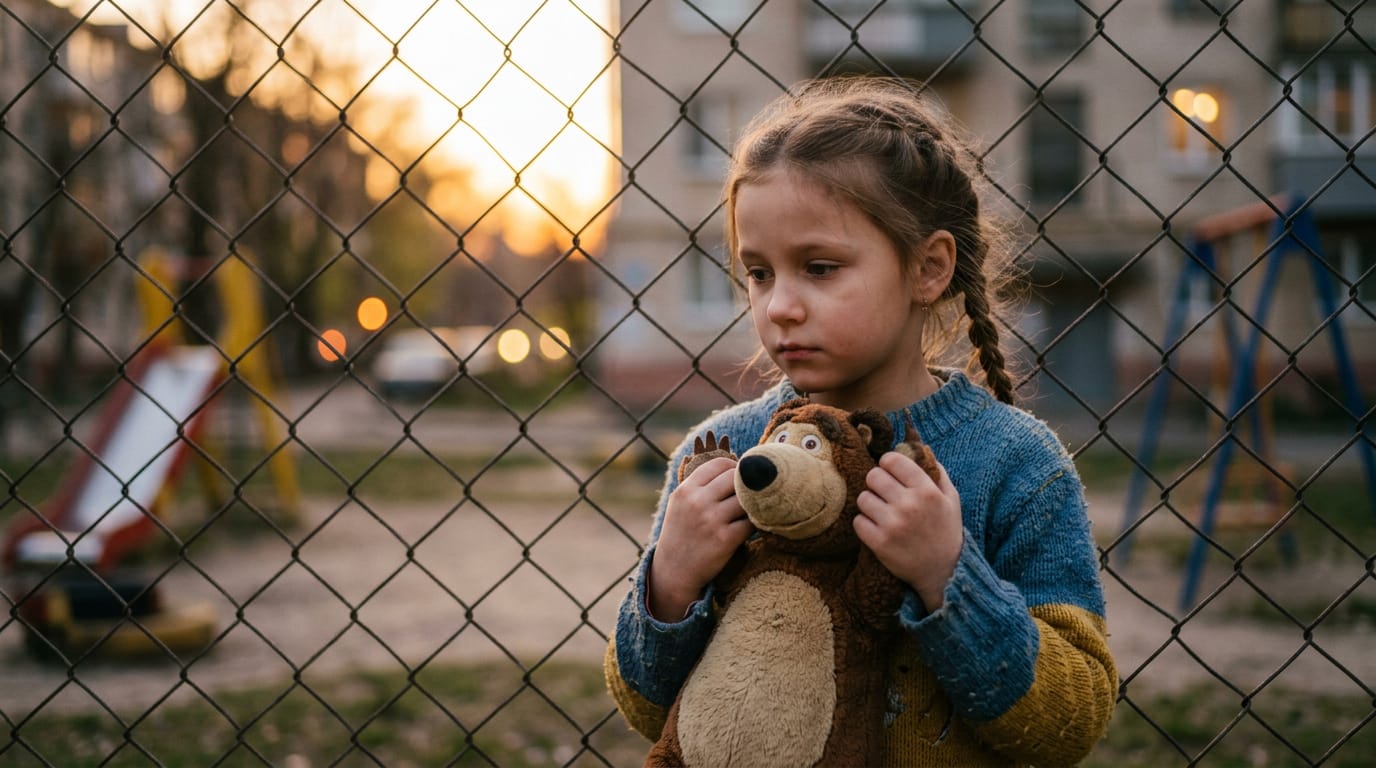
KYIV, Ukraine – In a significant move targeting perceived cultural influence, Ukraine has imposed sanctions on the creators and distributors of the globally popular Russian animated series "Masha and the Bear." President Volodymyr Zelenskyy signed a decree on August 20, 2026, authorizing restrictive measures against Animaccord Animation Studio, its founder, chief executive, director, screenwriter, producer, and other associated individuals and organizations, citing concerns over the spread of "pro-Russian narratives" and threats to national security. The decision underscores Ukraine's escalating efforts to combat what it views as Russian hybrid warfare, extending even into children's entertainment.
The sanctions target five Russian individuals and four organizations directly involved in the production and distribution of "Masha and the Bear." Ukrainian officials assert that the beloved cartoon, despite its seemingly innocent facade, serves as a tool for Kremlin propaganda, generating revenue for the Russian state and disseminating narratives that could undermine Ukrainian sovereignty. Deputy Prime Minister for Humanitarian Policy and Minister of Culture Tetiana Berezhna emphasized that Russian cultural products are viewed as instruments of influence and propaganda, especially when aimed at vulnerable audiences like children.
Ukrainian officials have been vocal in their accusations, characterizing "Masha and the Bear" as a vehicle for "soft power" and hybrid influence. Vladyslav Vlasyuk, sanctions policy adviser to President Zelenskyy, highlighted the necessity of responding to Russian propaganda, particularly when it targets children and is distributed via large international platforms. The Center for Countering Disinformation, a Ukrainian government-backed body, has previously analyzed the series for propagandistic elements, asserting that it promotes "covert pro-Russian narratives" and the normalization of Soviet symbols and militaristic themes. Specific concerns have been raised regarding episodes depicting Masha in imagery reminiscent of Soviet military or security forces, such as a tank-crew hat or a cap associated with the NKVD, the Soviet-era secret police. Critics argue such depictions mock other nations' traditions through Masha's behavior and promote a pro-Kremlin ideology.
The animated series, first released in 2009, has achieved immense global success, translated into dozens of languages and broadcast in approximately 100 countries. It consistently ranks among the most popular children's shows worldwide, with its YouTube channels alone garnering tens of billions of views. One episode, "Recipe for Disaster," boasts over 4.6 billion views, earning a Guinness World Record. In Ukraine, the series' Ukrainian-language YouTube channel topped the ranking of the most popular children's channels in 2025, accumulating over 800 million views, underscoring its significant reach within the country. This widespread popularity, however, is precisely what Ukrainian authorities contend makes it a potent tool for influence.
In response to the sanctions, Animaccord Animation Studio has vehemently denied the allegations. A representative for the studio, Melanie Bonvicino, called the claims "false and defamatory," asserting that the production company operates independently and receives no funding from the Russian government. The Kremlin also swiftly condemned Ukraine's actions, with spokesman Dmitry Peskov stating that targeting a children's cartoon "shows once again the ugliness of the Kyiv regime." Peskov further contended that the cartoon promotes "the finest human qualities," dismissing the accusations of propaganda.
The sanctions are expected to have significant implications. Ukrainian officials state that the decree creates a legal framework for blocking "Masha and the Bear" content within Ukraine and provides grounds for appealing to international platforms, including Netflix and YouTube, to cease cooperation with the sanctioned entities and restrict the monetization and distribution of the series. This move follows earlier protests from Ukraine in June against Netflix's decision to acquire streaming rights for new seasons of the show. Concerns about the cartoon as a tool of Russian soft power have also been raised internationally, with British lawmakers and Estonia's foreign minister previously urging streaming platforms to scrutinize or pull the show.
This recent development highlights the expanding front in the ongoing conflict between Ukraine and Russia, where cultural products, even those seemingly innocuous, are now viewed through a geopolitical lens. Ukraine's government sees the action as a necessary measure to protect its national security and cultural space from what it perceives as subtle yet pervasive propaganda, especially aimed at its youngest citizens. The global reach and innocent appearance of "Masha and the Bear" present a unique challenge, blurring the lines between harmless entertainment and perceived state-sponsored influence in an already complex informational war.