Ukraine's Battle-Tested Anti-Drone Tech: A New Global Demand from Gulf and NATO Allies
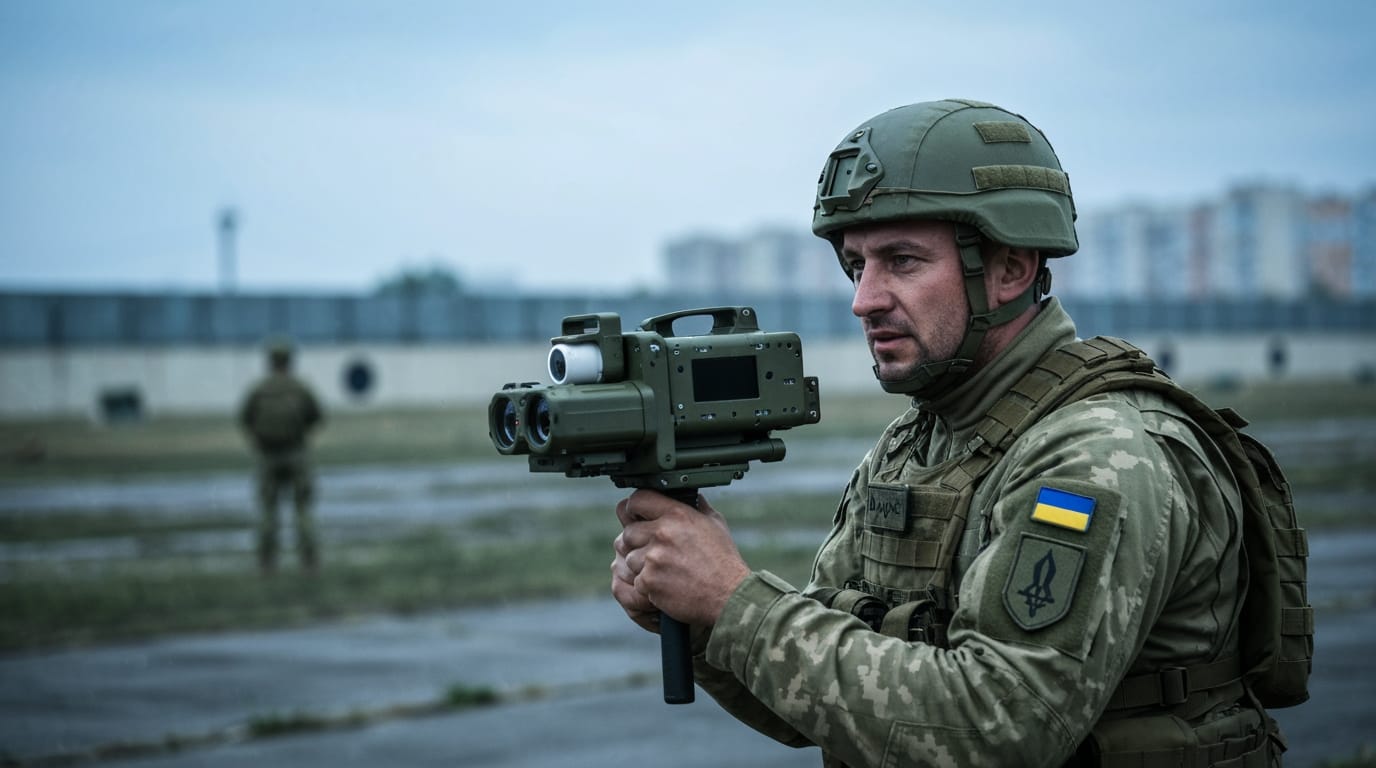
KYIV – Years of relentless aerial assaults have transformed Ukraine into an unexpected global leader in drone warfare countermeasures, forging a sophisticated array of anti-drone technologies now in high demand from nations across the Gulf and within NATO. Faced with a deluge of inexpensive, mass-produced enemy drones overwhelming traditional, costly air defense systems, Kyiv's innovative and battle-hardened solutions are reshaping modern military strategy and attracting urgent inquiries from international partners seeking to bolster their own aerial defenses.
The Crucible of Innovation: Ukraine's Pragmatic Defense
Since Russia's full-scale invasion, Ukraine has endured tens of thousands of drone attacks, primarily from Iranian-designed Shahed drones. This sustained bombardment exposed a critical vulnerability in conventional air defense: firing multi-million-dollar missiles at drones costing a few thousand dollars is economically unsustainable. Out of this necessity, Ukraine's defense industry rapidly pivoted, developing a diverse and cost-effective counter-drone ecosystem.
Central to this innovation are interceptor drones, small, fast, and often semi-autonomous unmanned aerial vehicles designed to detect, pursue, and neutralize incoming threats. Systems like the "Sting," "Octopus," "Bullet," and "P1-Sun" are capable of physically colliding with or deploying small warheads against enemy drones. These interceptors typically cost between $1,000 and $3,000, a fraction of the price of traditional anti-aircraft missiles. Ukraine now boasts over 20 companies producing these interceptor drones, with ambitions to manufacture up to 1,000 units daily. Some advanced models are even launched from unmanned surface vessels, extending their operational reach over water.
Beyond kinetic solutions, Ukraine has pioneered sophisticated electronic warfare (EW) systems such as the "Piranha AVD 360" and "DF-M." These systems create defensive domes up to 600 meters, jamming drone control and navigation signals, forcing them to land, crash, or veer off course. The "Sky Fortress" acoustic detection network, utilizing microphones and smartphones, helps identify low-flying drones that evade traditional radar. Other innovations include close-range "Chipa" net guns for FPV drone interception and the "Sunray" prototype laser system designed to burn drones out of the sky. The effectiveness of Ukraine's layered defense strategy, combining these technologies with mobile fire groups and traditional surface-to-air missile systems, has allowed for significant success, with homegrown interceptor drones accounting for over 70% of Shahed drones downed in the Kyiv region in February.
Gulf States Seek Kyiv's Expertise Amid Escalating Threats
The effectiveness of Ukraine's anti-drone innovations has not gone unnoticed, particularly in the Middle East. Recent conflicts in the region have seen Gulf states increasingly targeted by Iranian-designed drones, mirroring the challenges faced by Ukraine. This has spurred an urgent demand for cost-effective counter-drone solutions that do not rapidly deplete expensive missile stockpiles.
Ukrainian President Volodymyr Zelenskyy has confirmed that numerous Gulf nations, including Bahrain, the United Arab Emirates, Jordan, Kuwait, Qatar, and Saudi Arabia, have approached Kyiv for assistance and expertise. In response to a U.S. request, Ukraine has already dispatched teams of specialists and interceptor drones to Jordan to assist in defending American military bases against Iranian attacks. This deployment underscores the immediate and practical value placed on Ukraine's combat experience. Ukrainian manufacturers, such as SkyFall and General Cherry, report having significant production capacity beyond domestic needs and are poised for large-scale exports, pending government approval. The U.S. Pentagon and at least one Gulf state are actively discussing the procurement of Ukrainian-made interceptor drones.
NATO Allies Adapt to a New Era of Aerial Warfare
The implications of Ukraine's drone warfare experience extend deeply into NATO's strategic thinking. European allies are increasingly recognizing the necessity of adapting their air defense doctrines to counter the persistent threat of inexpensive, mass drone attacks. NATO's Supreme Allied Commander Transformation views "hit-to-kill" interceptor drones as a particularly promising solution for European defense against Russian drones.
The United Kingdom, for instance, is already collaborating with Ukraine on the production of interceptor drones, integrating this technology into broader missile defense systems. While the U.S. is also deploying its own Merops anti-drone system, developed with lessons learned from Ukraine, to the Middle East, the broader shift within NATO involves not just acquiring hardware but also adopting Ukraine's combat-proven doctrines. Experts emphasize that the most valuable export from Kyiv is not merely equipment but the institutional knowledge and operational strategies for suppressing attacking drones while simultaneously managing one's own, adapting in real-time to evolving threats.
Export Ambitions and Diplomatic Leverage
While Ukrainian manufacturers are eager to meet international demand, a wartime export ban enacted in 2022 currently restricts direct sales of military equipment. However, Kyiv is actively seeking pathways to leverage its unique capabilities. President Zelenskyy has openly suggested a strategic exchange: Ukrainian interceptor drones and expertise for much-needed Patriot missile systems and other long-range air defenses from its Western allies. This proposal highlights Ukraine's urgent need for advanced systems to counter ballistic missiles, which its low-cost interceptors are not designed to address.
Beyond direct exchanges, Ukraine is actively facilitating the transfer of knowledge and training. Ukrainian specialists are already providing technical knowledge on detecting and destroying drones based on their extensive combat experience. The training of interceptor drone pilots, a process taking approximately four to six weeks, is also a critical component of Ukraine's offering. President Zelenskyy also views this burgeoning demand as diplomatic leverage, suggesting that Gulf leaders could use their strong economic ties with Moscow to press for a ceasefire in Ukraine. Furthermore, Ukraine awaits White House approval for a major drone production agreement, signaling a desire for deeper, long-term collaboration.
In the rapidly evolving landscape of modern warfare, Ukraine's experience has dramatically redefined air defense paradigms. Its innovative, cost-effective anti-drone technologies, born from the harsh realities of prolonged conflict, are now sought after globally. As nations grapple with the proliferation of drone threats, Kyiv's unique blend of technological advancement and combat-proven expertise positions it as a pivotal player in shaping the future of global security. The strategic implications are profound, marking a clear shift towards adaptable, layered defenses that prioritize economic sustainability without compromising efficacy against the pervasive threat of unmanned aerial systems.


