United States Deports Iranian Activist to Central African Republic Amid Human Rights Concerns
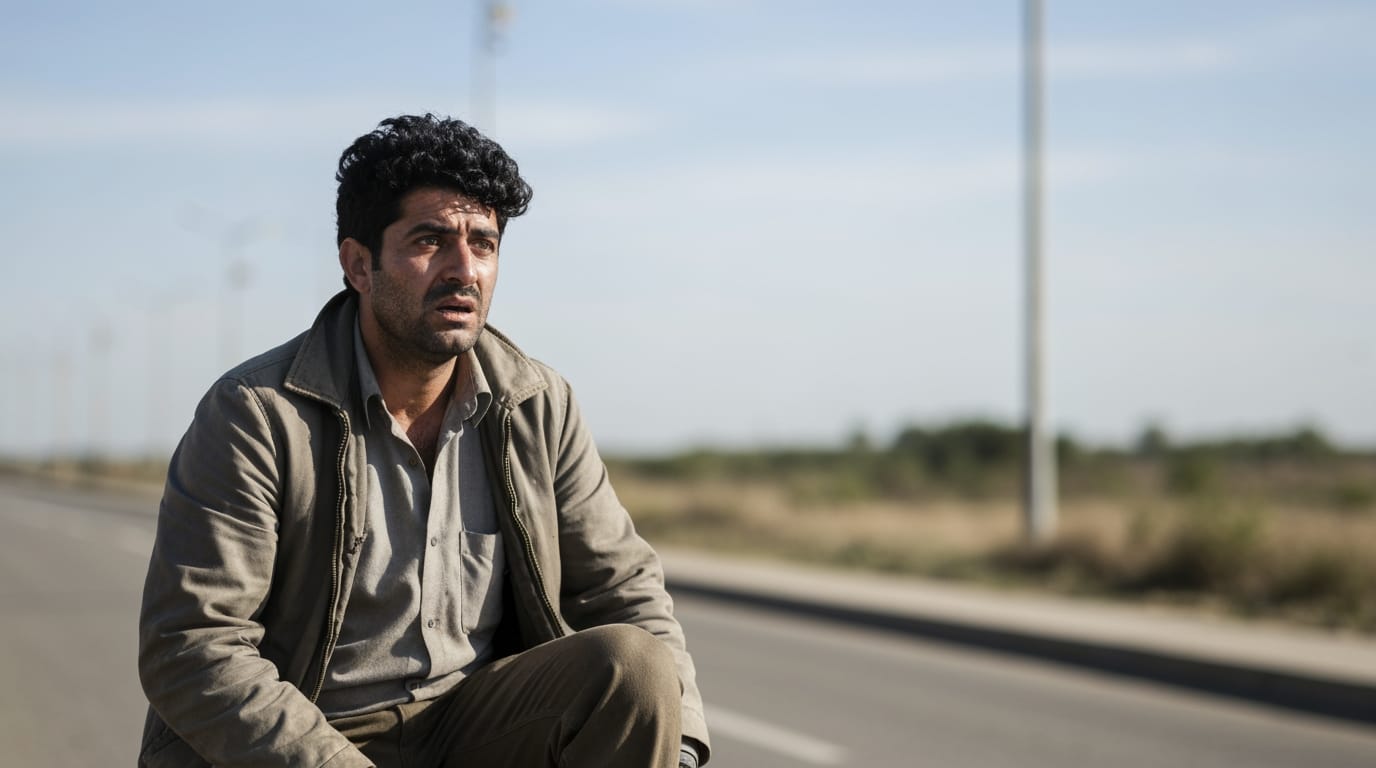
The United States has deported an Iranian pro-democracy activist to the Central African Republic (CAR), a nation grappling with severe instability and conflict, sparking widespread alarm among human rights advocates and legal experts. The activist, whose identity has not been publicly released, was among a group of migrants from various countries flown from Louisiana to the CAR capital, Bangui, on Friday, June 12, 2026, via Accra, Ghana. This controversial transfer, described by legal counsel as extremely perilous, highlights the complex and often opaque nature of U.S. immigration policies involving third-country agreements, particularly for individuals granted legal protections against repatriation to their home countries.
The deportation unfolded swiftly, with the flight departing Louisiana on Thursday night, June 11, and arriving in Bangui the following evening. While initial reports suggested that several Iranian women, including one who had converted to Christianity, were at risk of deportation, the activist was the sole Iranian on this particular flight. However, the aircraft carried approximately 20 migrants, reportedly including individuals from Syria, Afghanistan, and potentially Turkey, signaling a broader application of these novel deportation strategies. Human rights groups contend that hundreds more migrants could face similar transfers under existing agreements.
The decision to send the activist to CAR has drawn sharp criticism, primarily due to the activist's complete lack of ties to the African nation. Emily Trostle, the activist's lawyer, emphasized the profound risks associated with the transfer, noting her client, a pro-democracy advocate, had been granted a "withholding of removal" order by an American immigration judge. This legal protection explicitly bars the U.S. government from deporting her to Iran, given the high likelihood of persecution. Despite this, the U.S. government maintains that while such orders prevent deportation to the country of origin, they do not preclude transfer to other nations.
The Central African Republic is a nation in a perpetual state of humanitarian crisis and political fragility. The U.S. State Department maintains a "Level 4: Do Not Travel" advisory for CAR, citing extreme risks from unrest, crime, kidnapping, terrorism, and widespread human rights abuses. The country has endured decades of armed conflict and instability, making it an exceptionally challenging and dangerous environment for anyone, let alone a foreign national with no local connections or support networks. Advocates express grave concerns that deportees, abandoned in such a volatile environment, face a significant risk of ultimately being forced back to the countries they initially fled, thereby circumventing the very protections granted by U.S. courts. Adding to these fears are reports of Russia's intelligence ties with Tehran and the potential for increased vulnerability for an Iranian dissident in CAR.
This deportation occurs within the larger framework of the Trump administration's immigration enforcement strategy, which has increasingly relied on "third-country deportation deals." These agreements, often described as opaque by rights organizations, allow the U.S. to transfer individuals who cannot be legally repatriated to their home countries to other nations willing to accept them. Such deals have been inked with various countries, including Ghana and, previously, the Democratic Republic of Congo. A rule implemented by the administration, which mandated asylum seekers apply in transit countries before reaching the U.S., reportedly contributed to the denial of asylum claims for the Iranian women initially targeted for deportation. However, a federal court in California vacated this rule in May, adding another layer of complexity to the legal landscape surrounding these deportations. The U.S. Department of Homeland Security has stated that all deportees receive "full due process," though specific details regarding the arrangements in CAR and the long-term fate of the individuals remain unclear. The U.S. State Department and the CAR presidency have not yet provided official comments on the matter.
The timing of this deportation is particularly striking, set against a backdrop of heightened tensions between the United States and Iran. The past three months have witnessed ongoing conflict, including U.S. and Israeli strikes on Iran. Concurrently, President Trump has publicly urged the Iranian populace to rise against their government. The deportation of a pro-democracy activist, someone who might otherwise be seen as aligned with stated U.S. goals for political change in Iran, presents a perceived contradiction that has sparked surprise among observers. Legal and human rights organizations are advocating for the reversal of such decisions, emphasizing the potential for severe humanitarian consequences and the erosion of international protection norms.
The deportation of an Iranian pro-democracy activist to the Central African Republic underscores the profound moral and legal dilemmas inherent in contemporary immigration policies. While the U.S. government asserts its right to enforce immigration laws, the practice of transferring vulnerable individuals to unstable third countries, particularly those with no connection to the deportees and where their safety is demonstrably at risk, raises serious questions about humanitarian responsibilities and international law. The activist's fate, and that of others subjected to these arrangements, remains uncertain, leaving human rights advocates to fear for their safety and the potential for a dangerous precedent in global refugee protection.


