Urgent Warnings Issued as Sudan Teeters on Brink of Unprecedented Atrocities
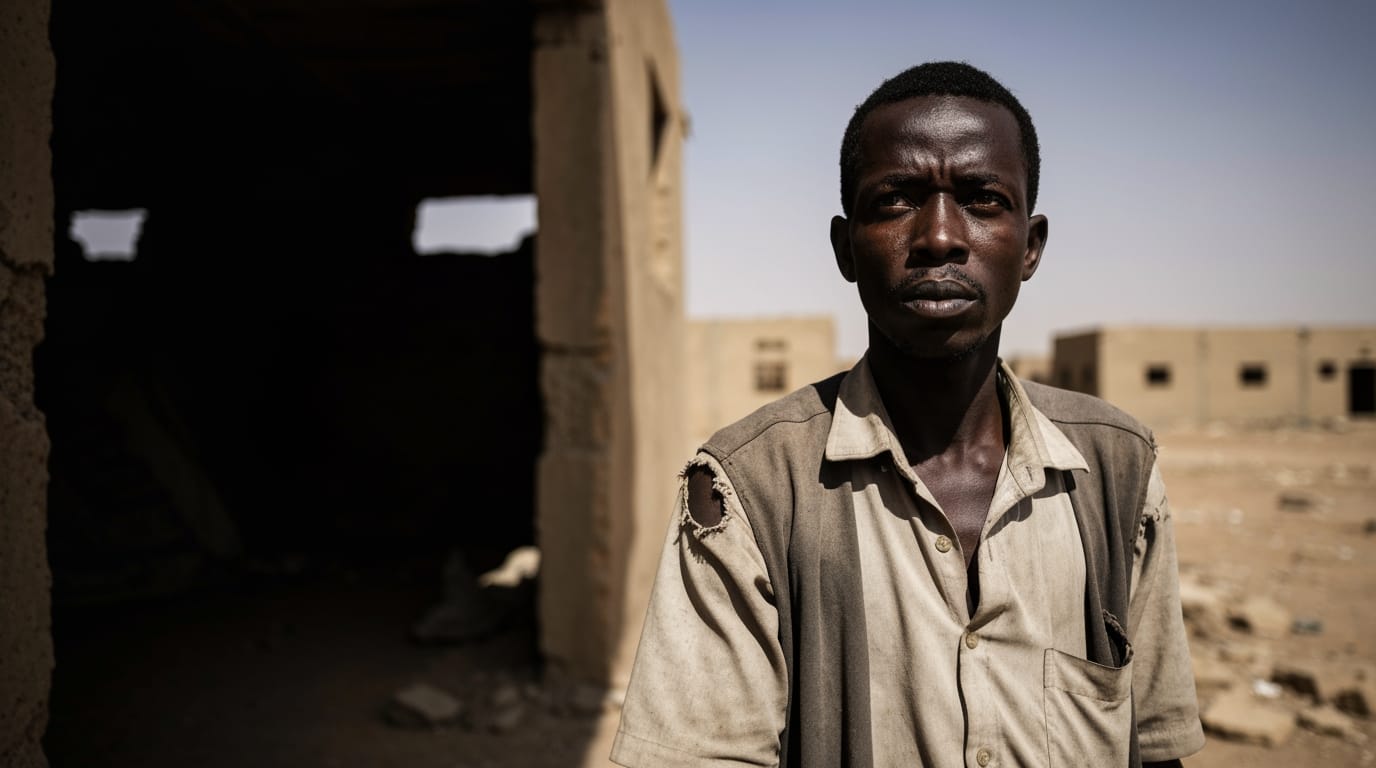
KHARTOUM, Sudan – International bodies and human rights organizations are issuing urgent and escalating warnings that Sudan stands on the precipice of a new wave of mass atrocities, with the conflict's toll on civilians reaching catastrophic levels. The United Nations Security Council, along with the United States and several European nations, have voiced profound alarm over reports of significant military buildups, particularly by the Rapid Support Forces (RSF) around the strategic city of El Obeid in North Kordofan, raising fears of an imminent offensive that could replicate, or even surpass, the horrors witnessed in other parts of the war-torn nation. This grave concern arises as Sudan endures its fourth year of civil war, marked by widespread violence, ethnic targeting, and a deepening humanitarian catastrophe that has displaced millions and pushed vast populations to the brink of famine.
The dire pronouncements underscore a rapidly deteriorating situation across Sudan, where the protracted conflict between the Sudanese Armed Forces (SAF) and the RSF, which erupted in April 2023, continues to inflict immense suffering on its civilian population. The international community fears a repeat of the October 2025 offensive on El Fasher, North Darfur, where UN officials documented events bearing the "hallmarks of genocide" and an estimated 6,000 people were killed in just three days following the RSF's seizure of the city. As the world watches, the prospect of similar mass violence looms large over El Obeid, a crucial transport hub whose fate now hangs precariously in the balance.
Echoes of Genocide: Darfur's Renewed Nightmare
The warnings of impending atrocities are not isolated incidents but resonate with a deeply troubling pattern of violence that has plagued Sudan, most notably in the Darfur region. Human Rights Watch and the US government have documented a campaign of ethnic cleansing and potential genocide carried out primarily by the RSF and its allied militias against non-Arab populations, particularly the Massalit people, in West Darfur. Between April and November 2023, thousands were killed in El Geneina, the capital of West Darfur, with hundreds of thousands more forced to flee their homes as entire villages were destroyed. The scale and brutality of these attacks, including killings, torture, and widespread sexual violence, have led to international condemnation and investigations into potential war crimes and crimes against humanity.
The current crisis in Darfur bears haunting similarities to the early 2000s, when a genocide against non-Arab communities resulted in hundreds of thousands of deaths. Many of the militias responsible for the earlier atrocities were later institutionalized into the very Rapid Support Forces now accused of similar acts, perpetuating a cycle of violence and impunity. Reports indicate that RSF and allied militias have systematically targeted doctors, lawyers, and human rights activists, alongside Massalit neighborhoods and internally displaced persons' camps. The ongoing violence has created what the UN refugee agency, UNHCR, calls the world's fastest-growing displacement crisis, with millions uprooted from their homes across Sudan.
A Nation on the Brink: Humanitarian Crisis Deepens
Beyond the direct violence, Sudan is grappling with what UN agencies describe as the world's largest humanitarian crisis and displacement crisis. Over 12 million people have been forcibly displaced since the conflict began, with millions more facing acute hunger. Famine conditions have been confirmed in several regions, including parts of Darfur, and other areas risk famine without immediate and substantial humanitarian intervention. The conflict has decimated essential systems, leading to acute shortages of food, water, medicine, and fuel, with medical facilities frequently attacked or rendered inoperable.
Both the SAF and RSF have been accused of obstructing humanitarian aid, exacerbating the suffering of a population already in desperate need. This deliberate impedance of aid, coupled with widespread looting and the destruction of infrastructure, has crippled the ability of relief organizations to reach vulnerable communities. The UN has also highlighted systematic human rights abuses by all parties, including executions, torture, and rampant sexual violence, primarily targeting women and girls, often used as a weapon to humiliate and displace communities. These acts, including rape, gang-rape, and sexual slavery, amount to war crimes and possible crimes against humanity.
The Perilous Path to El Obeid and International Inertia
The immediate focus of international concern has shifted to El Obeid, the capital of North Kordofan, where the RSF has deployed substantial military reinforcements, signaling an imminent ground offensive. UN officials and Western governments are collectively urging the RSF to halt its assault, fearing a repeat of the devastation wrought in El Fasher. Drone strikes, attributed to the RSF, have already hit civilian infrastructure in El Obeid, worsening conditions for an estimated 500,000 people at risk.
Despite the mounting evidence of atrocities and the escalating humanitarian crisis, the international response has been criticized for its perceived inadequacy. While the UN Security Council has issued statements and sanctions have been imposed on certain individuals, there are growing calls for more robust action. Human Rights Watch and others have pointed to the alleged material support provided to the RSF by countries like the United Arab Emirates, urging global leaders to exert pressure on external actors fueling the conflict. The absence of a decisive, unified international stance risks emboldening perpetrators and allowing the cycle of violence to continue unchecked.
As Sudan's civil war grinds on, the urgent warnings from global bodies paint a grim picture of a nation caught in a maelstrom of violence and human suffering. The international community faces a critical moment to translate warnings into tangible action, to protect civilians, facilitate unhindered humanitarian access, and push for a lasting political resolution. Without such decisive intervention, the risk of further, widespread atrocities will continue to cast a long shadow over the future of Sudan.


