US and Australia Suspend Consular Services in Brazil
Diplomatic shutdowns across Brazil highlight mounting security alerts and international tensions just two days before a pivotal presidential vote.
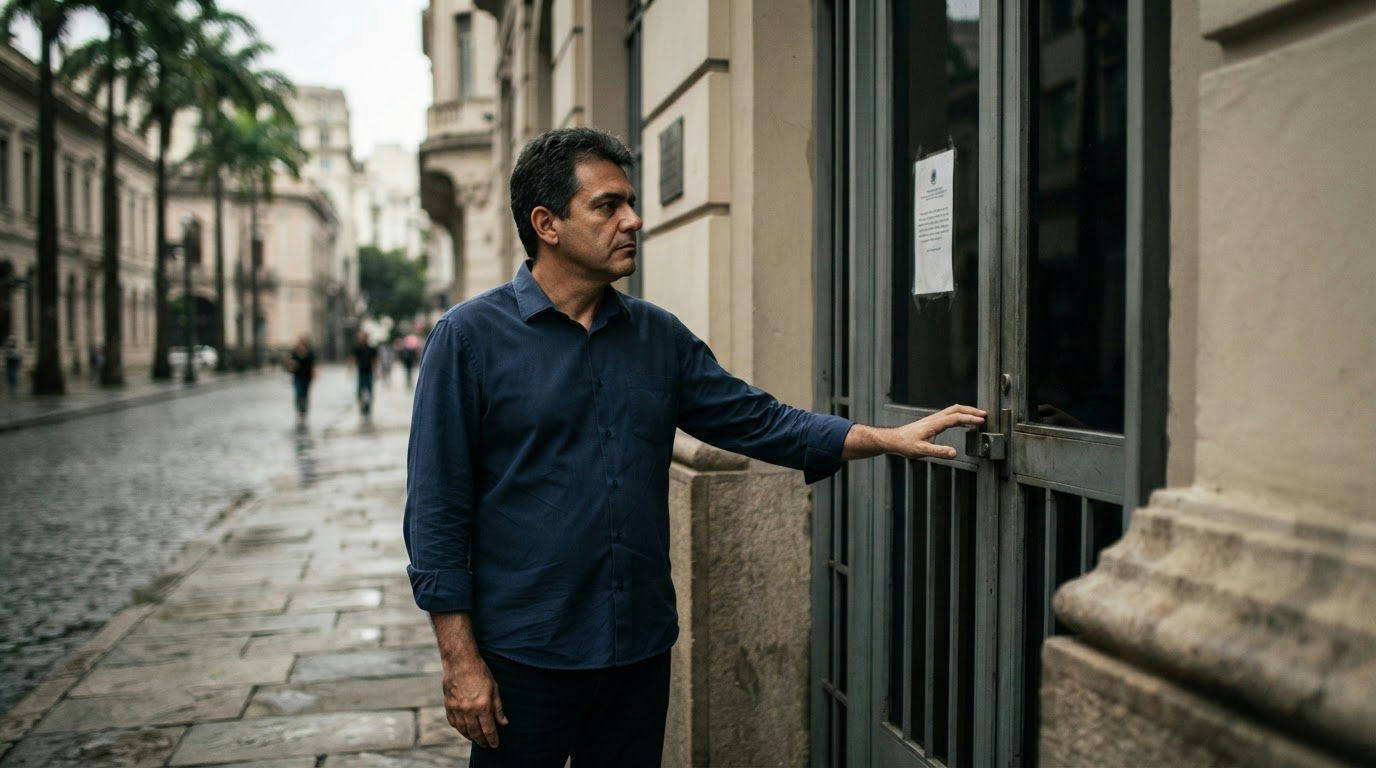
The United States and Australia suspended consular services across Brazil on Friday, citing unspecified security concerns just two days before the country votes in a presidential election.
The U.S. Embassy issued an alert announcing the suspension of services at the embassy in Brasilia and at consulates nationwide. The mission advised American citizens seeking emergency help not to visit U.S. diplomatic facilities. Instead, it directed them to contact duty officers. Washington did not disclose the nature of the threat or say when consular operations would resume.
Shortly after the American notice, Australia closed its embassy in the capital. Australian Ambassador Sophie Davies stated that the facility would shut on Friday for security reasons. Davies urged Australian citizens to avoid the American embassy, U.S. consulates, and surrounding areas.
In Washington, the State Department said it is working closely with Brazilian authorities to address the concerns. The department noted that diplomatic posts routinely publish alerts to warn citizens about local developments and hazards. Brazil's Foreign Ministry declined to comment on the diplomatic measures.
Later Friday, Brazil's Federal Police announced they carried out preventive search and seizure warrants in Sao Paulo and the Federal District. Officials stated the operation targeted suspected threats against U.S. diplomatic installations. Investigators said they worked with foreign intelligence services but found no proof of an immediate hazard. Police added that they identified no suspects tied to criminal groups, though they seized communication gear for further review.
The diplomatic disruptions follow a period of friction between Washington and the government of Brazilian President Luiz Inacio Lula da Silva. The disputes have involved tariffs, election integrity discussions, and revoked visas for visiting officials.
Voters in Latin America's largest nation cast their ballots on Sunday in the first round of the presidential contest. Lula faces conservative challenger Sen. Flavio Bolsonaro, with a potential runoff scheduled later if no candidate secures an absolute majority.