US and Russia Engage in Ceasefire Talks Amid Ongoing Ukraine Conflict
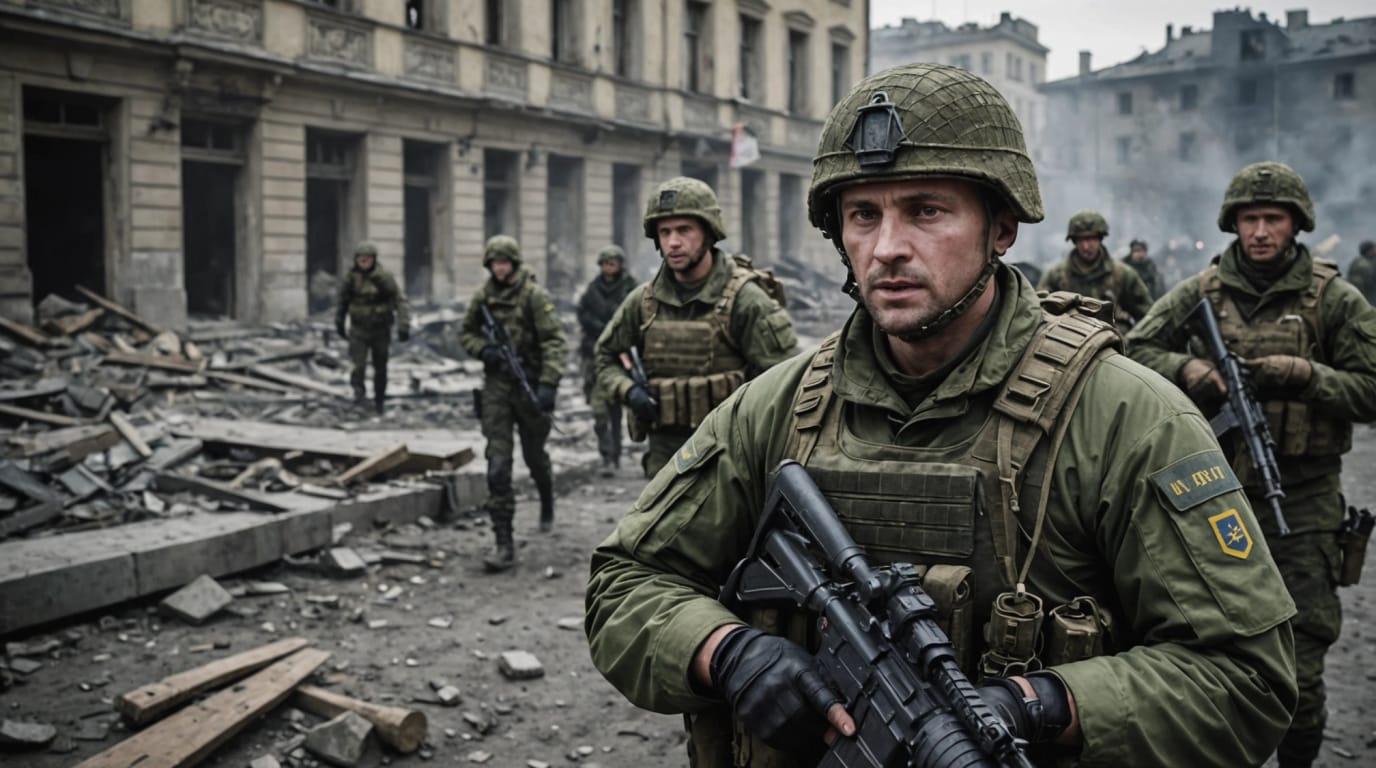
Diplomatic efforts to de-escalate the conflict in Ukraine intensified as representatives from the United States and Russia convened in Saudi Arabia on Monday for talks aimed at establishing a ceasefire. The meetings, held separately with Ukrainian officials on Sunday and Russian officials on Monday, represent the most significant diplomatic engagement between the warring parties since the early stages of the Russian invasion. The U.S. delegation is reportedly pushing for a 30-day cessation of attacks on energy infrastructure as a first step toward a broader truce.
Focus on Energy Infrastructure
The initial focus of the ceasefire discussions centers on protecting Ukraine's energy infrastructure. Recent weeks have seen a surge in attacks targeting power plants and other critical facilities, leaving millions without electricity and heating. A temporary pause in strikes against these targets could provide much-needed relief to Ukrainian civilians and allow for repairs to be carried out. According to Ukraine's Defense Minister Rustem Umerov, discussions with the U.S. delegation on Sunday were "constructive and meaningful," with a particular emphasis on the energy sector.
Broader Ceasefire Goals
While the immediate goal is a limited ceasefire on energy infrastructure, the U.S. is also seeking a broader cessation of violence, including a maritime ceasefire in the Black Sea. Achieving a comprehensive truce would require addressing a range of complex issues, including troop deployments, territorial control, and security guarantees. The ultimate aim is to create a pathway toward a lasting peace agreement that respects Ukraine's sovereignty and territorial integrity.
Trump's Push for a Deal
President Donald Trump has made ending the war in Ukraine a key foreign policy priority. He has repeatedly expressed his belief that a deal can be reached quickly, and his administration has been actively engaged in shuttle diplomacy between Kyiv and Moscow. Trump recently spoke with Russian President Vladimir Putin and secured an agreement for an immediate pause in strikes against energy infrastructure. He has also suggested that Washington and Moscow have begun discussing "dividing up certain assets" between Ukraine and Russia as part of a deal to end the conflict, though neither the White House nor the Kremlin has confirmed these details. Trump has said he believes a full ceasefire could be agreed upon by Easter, though sources within the White House acknowledge that this timeline may be optimistic.
Obstacles to Peace
Despite the renewed diplomatic efforts, significant obstacles remain to achieving a lasting peace in Ukraine. Russia continues to demand an end to foreign military assistance to Ukraine and the withdrawal of Ukrainian troops from the four regions that Moscow has annexed but never fully captured. Russia also wants Ukraine to renounce any prospect of joining NATO and sharply cut its army. Ukraine, on the other hand, insists on the full restoration of its territorial integrity and the withdrawal of all Russian forces from its soil. Ukrainian officials have expressed skepticism about the prospects for a breakthrough in the Saudi Arabia talks, emphasizing that they view the meetings as primarily technical in nature.
Skepticism and Continued Attacks
Even as ceasefire talks proceed, the conflict on the ground continues unabated. Recent days have seen a surge in Russian drone and missile attacks on Ukrainian cities, including Kyiv. These attacks have resulted in civilian casualties and further damage to critical infrastructure. On March 23, a Russian strike on Kyiv killed at least three people, including a five-year-old girl and her father. Ukraine's Air Force reported destroying 97 of 147 Russian drones in an overnight attack on multiple Ukrainian regions. Russia, in turn, claims to have captured the village of Sribne in the eastern Donetsk region. These ongoing attacks underscore the fragility of the ceasefire efforts and the deep-seated mistrust between the warring parties.
Conclusion
The ceasefire talks in Saudi Arabia represent a significant step toward de-escalating the conflict in Ukraine. However, the path to peace remains fraught with challenges. Overcoming these obstacles will require sustained diplomatic engagement, a willingness to compromise, and a commitment from all parties to respect the principles of international law and the sovereignty of Ukraine. The coming days and weeks will be critical in determining whether the current diplomatic efforts can translate into a meaningful and lasting cessation of hostilities.