US and Ukraine Reach Ceasefire Agreement, Putting Pressure on Russia
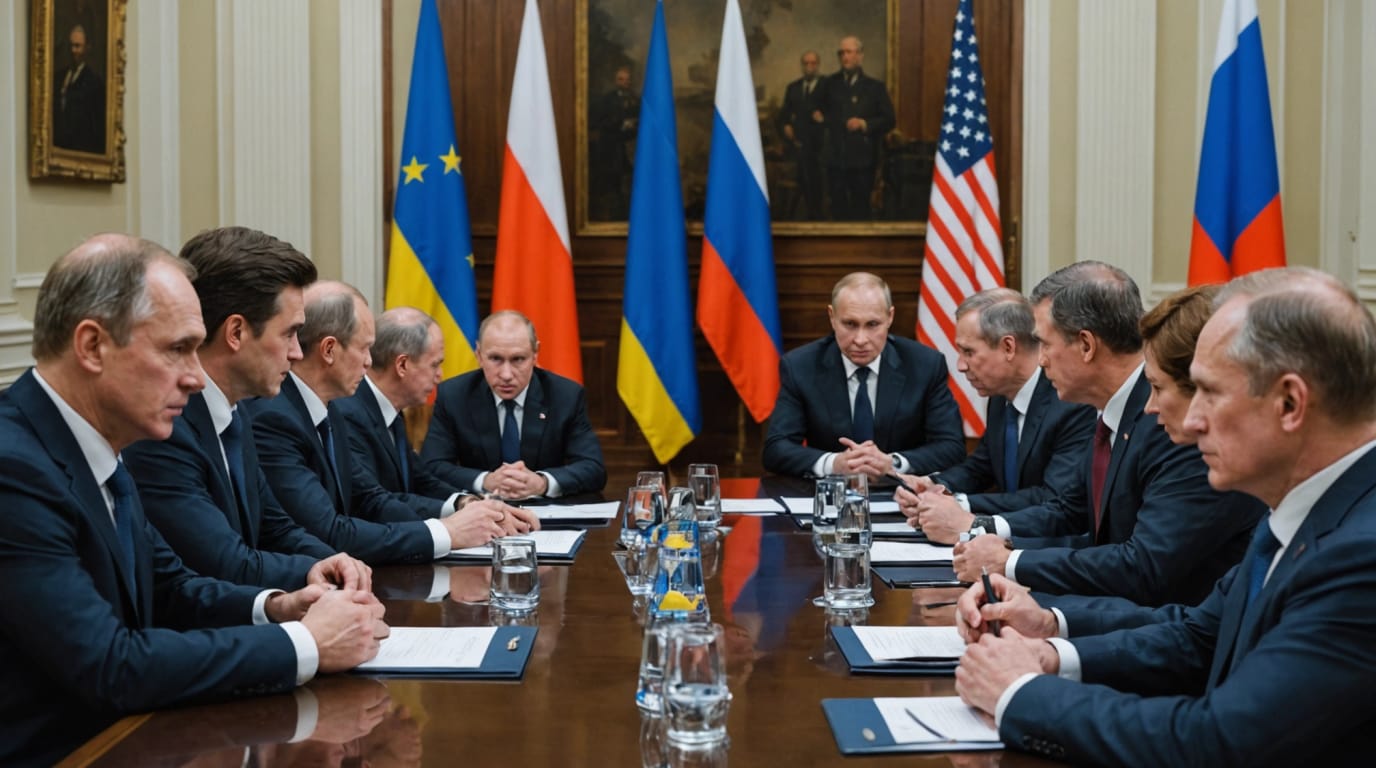
JEDDAH, Saudi Arabia – In a significant diplomatic breakthrough, the United States and Ukraine announced Tuesday that Kyiv has agreed to a U.S.-proposed 30-day ceasefire with Russia, contingent on Moscow's acceptance and implementation. The agreement, reached after high-stakes talks in Jeddah, Saudi Arabia, marks a potential turning point in the ongoing conflict and places renewed pressure on Russia to de-escalate the situation. The U.S. has pledged to resume military aid and intelligence sharing with Ukraine following the agreement.
A Shift in Strategy
The meeting in Jeddah signaled a notable shift in strategy from both Washington and Kyiv. The talks, which extended for eight hours, concluded with a joint statement outlining the ceasefire proposal and a commitment to "conclude as soon as possible a comprehensive agreement for developing Ukraine's critical mineral resources." This agreement aims to bolster Ukraine's economy and ensure its long-term prosperity and security, according to officials.
The agreement comes after a period of strained relations between U.S. President Donald Trump and Ukrainian President Volodymyr Zelenskyy, marked by a public disagreement at the White House. Trump had previously halted military aid to Ukraine, a move widely interpreted as an attempt to pressure Kyiv into negotiating with Moscow. However, the Jeddah talks appear to have paved the way for a restoration of U.S. support, contingent on Ukraine's willingness to pursue a peaceful resolution.
Details of the Agreement
Under the terms of the agreement, Ukraine has expressed readiness to accept an "immediate, interim 30-day ceasefire," which could be extended by mutual agreement. In return, the U.S. will immediately lift the pause on intelligence sharing and resume security assistance to Ukraine.
Secretary of State Marco Rubio, who led the U.S. delegation in Jeddah, emphasized that the "ball is now in [Russia's] court." He stated, "We'll take this offer now to the Russians, and we hope that they'll say yes, that they'll say yes to peace." Rubio credited Trump's desire to end the war as the driving force behind the agreement, adding, "The president's objective here is, number one, above everything else, he wants the war to end, and I think today Ukraine has taken a concrete step in that regard. We hope the Russians will reciprocate."
The U.S. and Ukraine also agreed to appoint negotiating teams to begin talks aimed at achieving a lasting peace that provides for Ukraine's long-term security. The U.S. has committed to communicating with Russia, emphasizing that Russian reciprocity is key to achieving peace. Ukraine, however, stressed the importance of involving European partners in the negotiation process.
Russia's Response and the Path Forward
As of Wednesday, there has been no official response from the Kremlin regarding the proposed ceasefire. Maria Zakharova, Russian Foreign Ministry spokeswoman, told Russian state news service TASS that Russia does not rule out contact with U.S. representatives in the coming days.
The success of the ceasefire agreement hinges on Russia's willingness to engage in meaningful negotiations and halt its military operations in Ukraine. If Russia agrees to the ceasefire, it could pave the way for broader peace talks and a potential resolution to the conflict. However, significant obstacles remain, including disagreements over territorial concessions and security guarantees.
Ukraine has long maintained that it will not cede any territory to Russia, including the Crimean Peninsula, which Russia annexed in 2014. Kyiv has called for a "just peace" that includes reparations from the Kremlin for the ongoing war. Secretary of State Rubio previously stated that Ukraine would need to make territorial concessions to end the war, but a Ukrainian official said that territorial concessions were not discussed during the meeting.
The Role of NATO and European Security
The conflict in Ukraine has broader implications for European security and the role of NATO. Russia has long viewed NATO expansion as a threat to its security interests, and the prospect of Ukraine joining the alliance has been a major point of contention.
While Ukraine's aspirations for NATO membership remain a contentious issue, several alternative security architectures have been proposed. These include a formalized security pact with the West, similar to Israel's defense relationship with the United States, or a security arrangement modeled after Finland and Sweden's relationship with NATO before they joined the alliance.
Some experts have suggested that a successful resolution to the conflict could involve a strategic dialogue between NATO allies and Russia on arms control and European security. This dialogue could address Russia's concerns about NATO expansion while providing security guarantees for Ukraine and other countries in the region.
Implications for US-Russia Relations
The ongoing conflict in Ukraine has significantly strained relations between the United States and Russia, leading to sanctions and a breakdown in diplomatic cooperation. The Trump administration has expressed a desire to improve relations with Russia, but any progress will depend on Russia's willingness to de-escalate the situation in Ukraine and abide by international law.
The U.S. has made it clear that it will continue to support Ukraine's sovereignty and territorial integrity, and that it will hold Russia accountable for its actions. However, the U.S. also recognizes the need for dialogue and diplomacy to resolve the conflict and prevent further escalation.
Conclusion
The ceasefire agreement between the U.S. and Ukraine represents a significant step toward de-escalating the conflict and creating an opportunity for peace negotiations. However, the success of this agreement hinges on Russia's willingness to reciprocate and engage in meaningful dialogue. The road to a lasting peace will be long and challenging, but the potential rewards – stability in Europe and improved relations between the U.S. and Russia – are well worth the effort. The world now waits to see if Moscow will seize this opportunity to end the bloodshed and work toward a peaceful resolution.