US Science Funding Freeze Sparks Academic Freedom Concerns
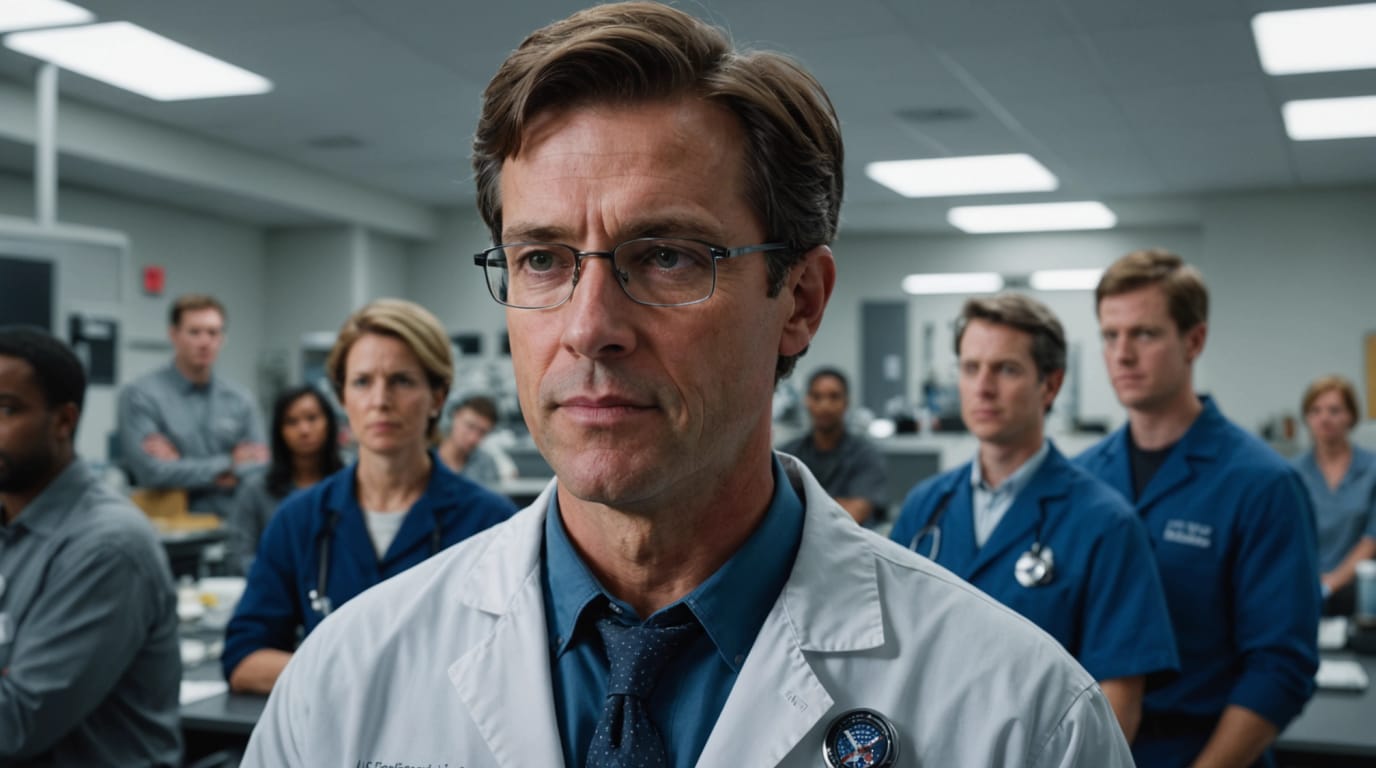
A recent freeze on federal science funding in the United States has ignited a firestorm of controversy, raising alarms within the academic community and prompting international organizations to voice concerns over potential threats to academic freedom. The executive orders, initiated by the Trump Administration, have led to halted payments, delayed grant reviews, and widespread uncertainty, jeopardizing research projects and the careers of scientists across various disciplines.
Funding Freeze Details
The Trump Administration's actions, framed as a measure to align federal spending with its priorities, involve a temporary halt to federal funding for grants in higher education, research, and programs related to diversity, equity, and inclusion (DEI). The Office of Management and Budget (OMB) issued an executive order that led to agencies like the National Science Foundation (NSF) and National Institutes of Health (NIH) pausing grant review processes. This freeze has affected not only universities and research institutions but also non-governmental organizations and various education programs that rely on federal financial assistance.
The NSF experienced a five-day outage of its payment system, disrupting funding for universities, businesses, and nonprofits. Thousands of existing grants were flagged for potential cancellation, delaying new funding decisions and raising fears of political targeting.
Legal Challenges and Uncertainty
The funding freeze faced immediate legal challenges. A U.S. District Court in Washington, D.C., issued a temporary injunction blocking the freeze, citing concerns over its legality and potential infringement on academic freedom. While the administration rescinded the OMB memorandum that outlined the funding halt, officials clarified that the broader executive orders affecting federal funding remained in place.
Despite the rescission, uncertainty persists. Federal agencies are reevaluating their grant policies, leading to continued disruptions in research and academic funding. Institutions are experiencing delays in NSF and NIH grant reviews, with some grant-making bodies canceling or postponing meetings to ensure compliance with the administration's policies. University administrators remain unsure whether their funding applications will be processed under pre-existing guidelines or face additional scrutiny.
Concerns Over Academic Freedom
The funding freeze has sparked widespread concerns about political interference in science and potential threats to academic freedom. Critics argue that when funding decisions are swayed by political agendas rather than merit or peer-reviewed evaluation, critical areas like climate science, public health, and gender studies often bear the brunt of the consequences.
The European Federation of Academies of Sciences and Humanities (ALLEA) issued a statement expressing "grave concern" over the actions taken by the U.S. administration. The statement, endorsed by over 50 European and international academic groups, highlights the potential for "far-reaching and devastating consequences for essential (global) research programmes." It also warns of lasting harm to fundamental research and the careers of younger scholars, engineers, and health professionals.
International Response
The concerns over academic freedom have resonated internationally. Science Europe, an association of major research funding and performing organizations, and the European Council of Doctoral Candidates and Junior Researchers (Eurodoc) have also endorsed ALLEA's statement.
The University of Helsinki emphasized that independently selected topics and research proposals drafted by researchers constitute the cornerstones of research and its freedom. Anne Portaankorva, Vice-Rector for research, doctoral education and sustainability at the University of Helsinki, stated that funding should not be sought at any cost, such as by removing certain words from research proposals under direct or indirect threat by the funder or a government.
Impact on Researchers
The funding freeze has created an unstable environment for scientists, particularly those early in their careers, who rely on consistent funding to sustain their work. Some researchers are creating secure communication channels to coordinate responses, while others worry about the chilling effect on academic freedom and international scholars.
Diana Macias, a biologist at the University of California, Berkeley, expressed the sentiment of many researchers, stating, "My peers and I feel extreme stress and fear." The uncertainty surrounding grants risks delaying essential innovations and creating an unstable environment for scientists.
Broader Implications
The implications of the funding freeze extend beyond the scientific community. The disruption of research projects can have far-reaching consequences for society, affecting advancements in medicine, technology, and other fields. The loss of international scholars and the chilling effect on academic freedom can also damage the reputation of the U.S. as a global leader in research and innovation.
The situation also raises questions about the role of government in funding and regulating scientific research. While governments have a legitimate interest in ensuring that taxpayer dollars are used effectively, they must also respect the principles of academic freedom and avoid political interference in scientific inquiry.
Conclusion
The U.S. science funding freeze has triggered a wave of concern and uncertainty within the academic community, both domestically and internationally. While the legal challenges and rescission of the OMB memorandum have provided some temporary relief, the broader executive orders affecting federal funding remain in place, leaving many researchers and institutions in a state of limbo. The long-term consequences of these actions for scientific progress, academic freedom, and the U.S.'s role in the global research landscape remain to be seen. Moving forward, it will be crucial for policymakers to engage in open dialogue with the scientific community and to ensure that funding decisions are based on merit and peer review, rather than political considerations.