US Vice President Accuses Denmark of Underinvesting in Greenland Amid Renewed Takeover Interest
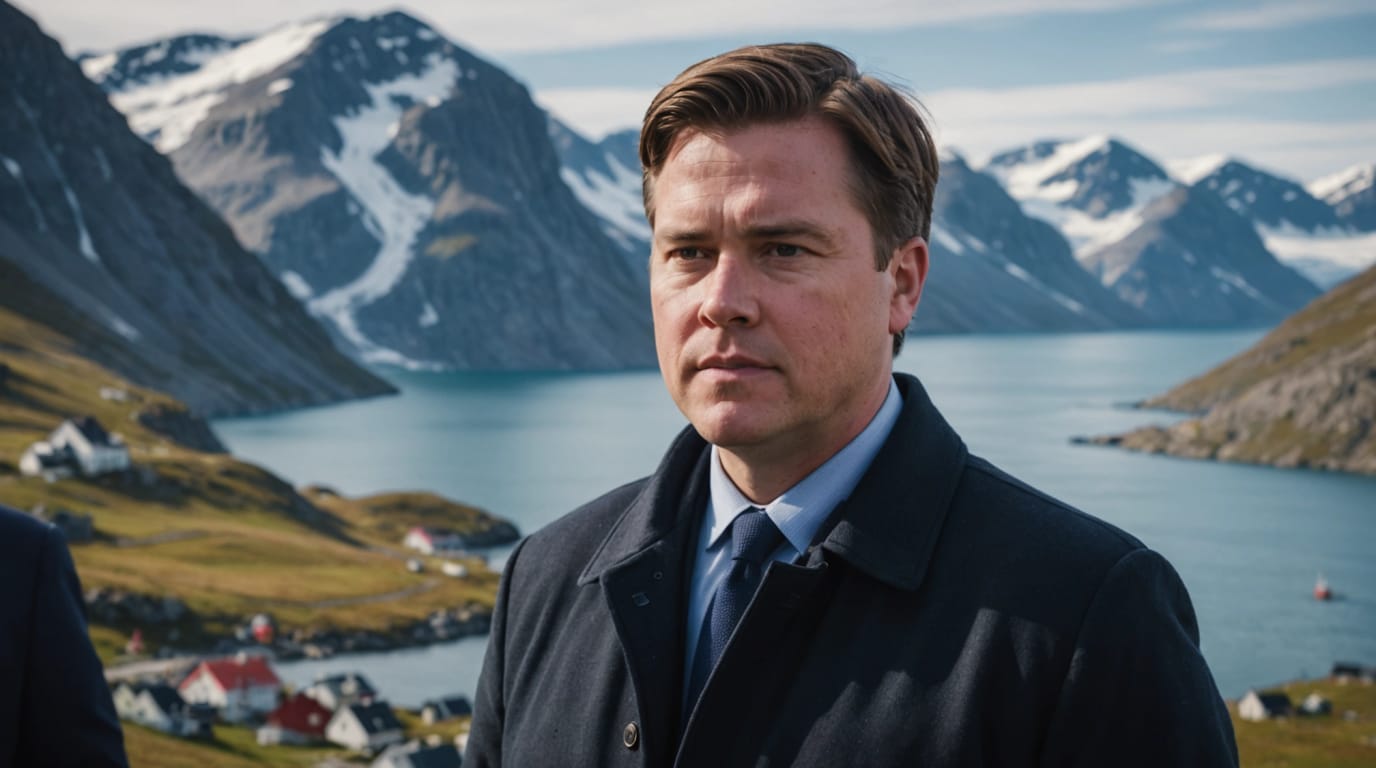
U.S. Vice President JD Vance has ignited a diplomatic row during a recent visit to Greenland, accusing Denmark of "underinvesting" in the territory's security and its people. The remarks come as former President Donald Trump has again raised the idea of the U.S. acquiring the Arctic island, a move that has been met with resistance from both Greenlanders and the Danish government. The situation highlights the growing geopolitical importance of Greenland, driven by its strategic location and vast untapped natural resources.
Vance's Visit and Accusations
Vance's visit to Greenland, which included a stop at the Pituffik Space Base, a U.S. military installation, was initially planned as a longer trip but was scaled back after sparking controversy. Greenlanders and Danes expressed irritation that the initial itinerary was announced without prior consultation. During his visit, Vance stated that Denmark has "not done a good job by the people of Greenland," alleging underinvestment in both the population and the island's security infrastructure. He emphasized the need for the U.S. to take a leading role in the Arctic, echoing concerns about increasing Russian and Chinese interest in the region.
Trump's Renewed Interest and Greenland's Strategic Value
Former President Trump's renewed calls for the U.S. to "take over" Greenland have added fuel to the fire. Trump has stated that Greenland is "very important" for international security and that the U.S. "has to have Greenland." These statements, coupled with Vance's criticisms of Denmark, have raised questions about the U.S.'s intentions in the region.
Greenland's strategic value is multifaceted. Its location offers the shortest route between North America and Europe, providing a strategic advantage for military operations and ballistic missile early warning systems. The U.S. has long maintained a military presence in Greenland, dating back to World War II, and the Pituffik Space Base remains a vital asset for Western and NATO defenses.
Furthermore, Greenland's geographical position is becoming increasingly important as climate change opens up new Arctic sea routes. The island is situated along the Transpolar Sea Route and the North West Passage, offering potential access to faster and more efficient shipping lanes between Europe, Asia, and North America.
Greenland's Natural Resources and Economic Potential
Beyond its strategic location, Greenland is also rich in natural resources, including rare earth minerals, precious metals, and potential reserves of oil and gas. These resources are becoming more accessible as the Arctic ice melts, attracting interest from global powers seeking to diversify their supply chains and secure access to critical materials.
A 2023 report indicated that Greenland possesses 25 of the 34 minerals considered "critical raw materials" by the European Commission. These include minerals essential for battery technology, such as cobalt, copper, nickel, and lithium, as well as precious metals like gold and silver. The island also holds significant reserves of rare earth elements, which are crucial for manufacturing electronics, electric vehicles, and wind turbines.
However, Greenland's relationship with resource extraction is complex. In 2021, the country banned uranium mining, effectively halting a major rare earths project that had uranium as a byproduct. This decision reflects concerns about the environmental consequences of mining and the need to balance economic development with environmental protection.
Greenland, Denmark, and the Path to Independence
Greenland is a self-governing territory within the Kingdom of Denmark, with Denmark retaining control over foreign affairs, security policies, and monetary policy. However, Greenland has been gradually assuming responsibility for governmental services and areas of competence.
The island has a long history of seeking greater autonomy and eventual independence from Denmark. Prime Minister Múte Egede has expressed his desire for Greenland to represent itself on the world stage and has hinted at holding a referendum on independence. Under a 2009 agreement with Denmark, Greenland can declare independence following a successful referendum.
Denmark has traditionally provided substantial financial support to Greenland, accounting for a significant portion of the territory's public revenue. However, Greenland seeks to diversify its economy and reduce its reliance on Danish aid through the development of its natural resources and tourism industry.
Climate Change and its Impact on Greenland
Climate change is having a profound impact on Greenland, with the island experiencing accelerated ice melt and rising temperatures. The Greenland ice sheet is losing billions of tons of ice each year, contributing significantly to global sea-level rise.
The melting ice is not only opening up access to natural resources but also disrupting traditional Inuit hunting and fishing practices. The loss of stable sea ice is affecting the livelihoods of indigenous communities and raising concerns about the long-term sustainability of their way of life.
Scientists estimate that even if greenhouse gas emissions were drastically reduced, Greenland's melting ice would still contribute significantly to sea-level rise in the coming century. This underscores the urgency of addressing climate change and mitigating its impacts on vulnerable regions like Greenland.
A Complex Geopolitical Landscape
The situation in Greenland highlights the complex geopolitical landscape of the Arctic region. The U.S., Russia, and China are all vying for influence in the Arctic, driven by strategic, economic, and environmental considerations.
The U.S. seeks to maintain its military presence in Greenland and counter Russian and Chinese influence in the region. Russia is expanding its military capabilities in the Arctic and seeking access to new shipping routes. China is investing in infrastructure projects and seeking access to Greenland's natural resources.
As Greenland navigates its path towards potential independence, it must balance its relationships with these global powers while safeguarding its own interests and protecting its environment.
Conclusion
The accusations leveled by U.S. Vice President JD Vance against Denmark regarding its investment in Greenland underscore the growing strategic importance of the Arctic island. As climate change accelerates ice melt and opens up new opportunities for resource extraction and shipping routes, Greenland is becoming a focal point of geopolitical competition. The island's future, whether as an independent nation or as a territory within the Kingdom of Denmark, will be shaped by its ability to navigate these complex relationships and balance its economic aspirations with environmental concerns and the needs of its people.


