Vatican Rejects Trump's 'Board of Peace,' Upholding UN Authority in Global Crises
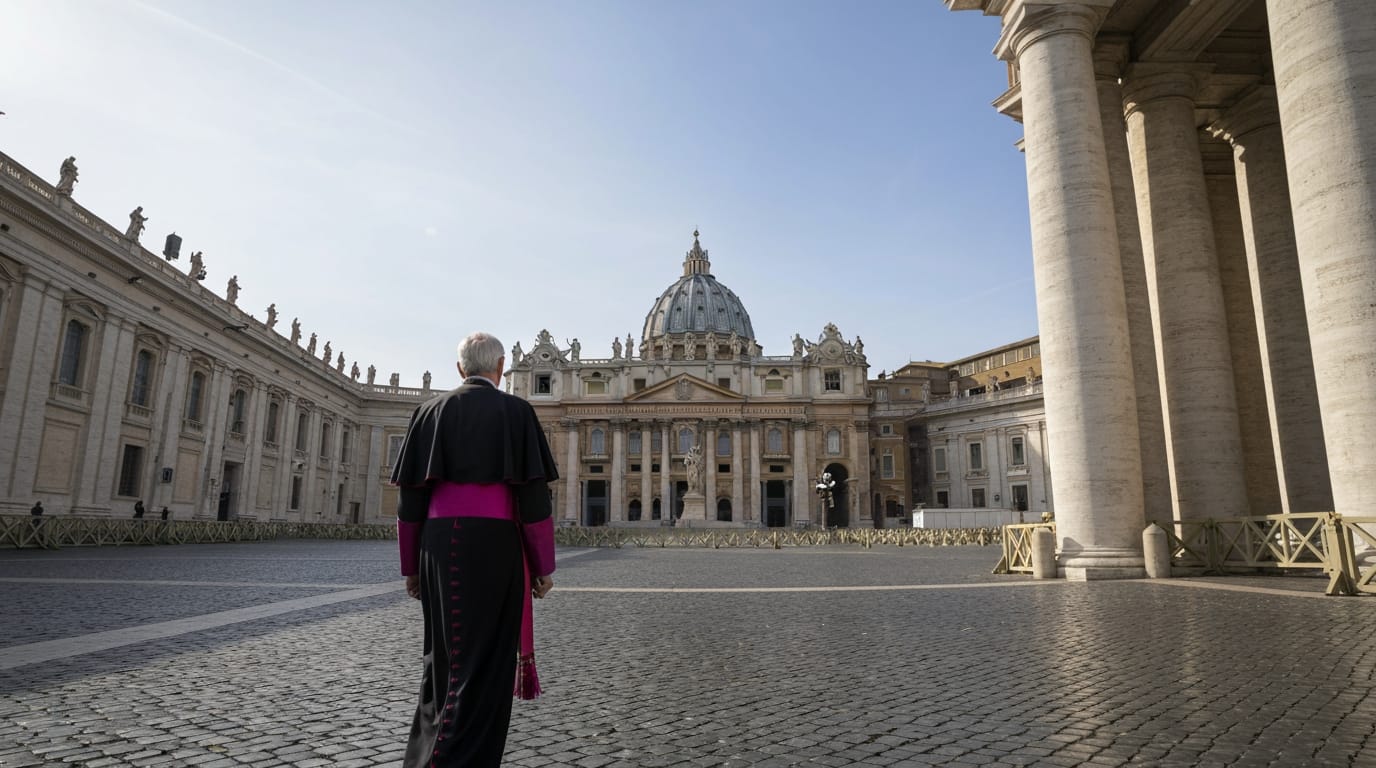
VATICAN CITY – The Holy See has officially declined to participate in U.S. President Donald Trump's newly formed "Board of Peace," signaling a clear preference for established multilateral institutions like the United Nations in addressing international conflicts. The decision, confirmed by Cardinal Pietro Parolin, the Vatican's top diplomat, on February 18, 2026, underscores the Holy See's unique diplomatic nature and its long-standing commitment to globally recognized frameworks for peace and stability.
Cardinal Parolin articulated the Vatican's position, stating that its non-participation stems from its "particular nature, which is evidently not that of other States." He emphasized that the Vatican harbors "points that leave us somewhat perplexed" and "critical points that would need to find explanations" regarding the board's structure and legitimacy. Primarily, the Vatican insists that "at the international level it should above all be the UN that manages these crisis situations," reinforcing its advocacy for multilateral mechanisms in conflict resolution. This stance reflects a diplomatic tradition that prioritizes neutrality and avoids direct involvement in political governing bodies, even while engaging deeply in moral and humanitarian efforts worldwide.
The Genesis of the 'Board of Peace'
President Trump's "Board of Peace" emerged from the tumultuous backdrop of the Israel-Hamas War. Initially conceived in September 2025 as a critical component of a ceasefire framework for Gaza, its primary mandate was to supervise the territory's temporary governance and spearhead reconstruction efforts. However, the initiative soon expanded beyond its initial scope, with President Trump declaring his intention for the board to address global conflicts under his chairmanship. The board was formally established in January 2026 during the World Economic Forum in Davos, with its first meeting scheduled for February 19, 2026, in Washington to discuss Gaza's future.
The stated aim of the Board of Peace is to "promote stability, restore dependable and lawful governance, and secure enduring peace in areas affected or threatened by conflict." President Trump serves as the inaugural chairman, and the Executive Board includes notable figures such as U.S. Secretary of State Marco Rubio, his son-in-law Jared Kushner, former British Prime Minister Tony Blair, World Bank President Ajay Banga, and several other political and business leaders. While more than 25 countries, including Israel, Qatar, Saudi Arabia, Turkey, Egypt, and Argentina, have committed to joining the board, several key U.S. allies in Europe have notably declined. Italy and the European Union have opted to attend the inaugural meeting as observers, signaling a cautious approach rather than full membership. Critics have raised concerns that the Board's unilateral nature, especially with its proposed oversight of a foreign territory, could resemble a "colonial administrative structure," a sentiment exacerbated by the absence of Palestinian representation. Furthermore, reports indicate that President Trump sought a substantial one billion dollar membership fee from nations wishing to join.
A Legacy of Neutrality and Multilateralism
The Vatican's decision aligns with a long and distinguished history of diplomatic engagement rooted in neutrality and a steadfast commitment to peace through established international legal frameworks. The Holy See, while lacking military power, has functioned as a strategic mediator in numerous global crises for over a century, leveraging its moral authority and extensive diplomatic network. As a permanent observer at the United Nations, the Vatican consistently advocates for the UN's central role in managing international crises, emphasizing dialogue, reconciliation, and humanitarian considerations.
Throughout history, papal diplomacy has played a crucial role in de-escalating tensions, from Pope John XXIII's intervention during the Cuban Missile Crisis in 1962 to Pope John Paul II's mediation in the Beagle Channel conflict between Chile and Argentina, which led to a peaceful resolution in 1984. More recently, Pope Francis has actively engaged in peace efforts concerning conflicts in Ukraine and Gaza, demonstrating the Holy See's ongoing dedication to global peace and justice. This consistent approach underscores the Vatican's belief that genuine, lasting peace is best achieved through inclusive, legitimate, and universally recognized international bodies, rather than through ad-hoc or politically-driven initiatives.
Broader Implications for Global Governance
The Vatican's refusal to join President Trump's "Board of Peace" highlights a broader international apprehension concerning the rise of unilateral or ad-hoc governance structures in conflict zones. By firmly advocating for UN leadership, the Holy See reinforces multilateral norms and expresses skepticism toward initiatives perceived as circumventing established global institutions. The cautious response from other Western allies, many of whom have also declined full membership or opted for observer status, suggests shared concerns about the legitimacy, representation, and potential precedents set by such a body.
This episode illustrates a fundamental tension in contemporary international relations: the competition between centralized, power-led arrangements and multilateral frameworks grounded in international law. The Vatican's stance unequivocally positions it within the latter camp, emphasizing the critical importance of legitimacy, inclusivity, and humanitarian principles in the delicate process of post-conflict governance. While the Board of Peace seeks to mobilize resources and provide rapid assistance, the Holy See's decision, informed by centuries of diplomatic experience, serves as a powerful reminder of the enduring value and necessity of comprehensive, internationally sanctioned approaches to achieving and maintaining global peace.


