White House Downplays Reports of Musk's Impending Departure
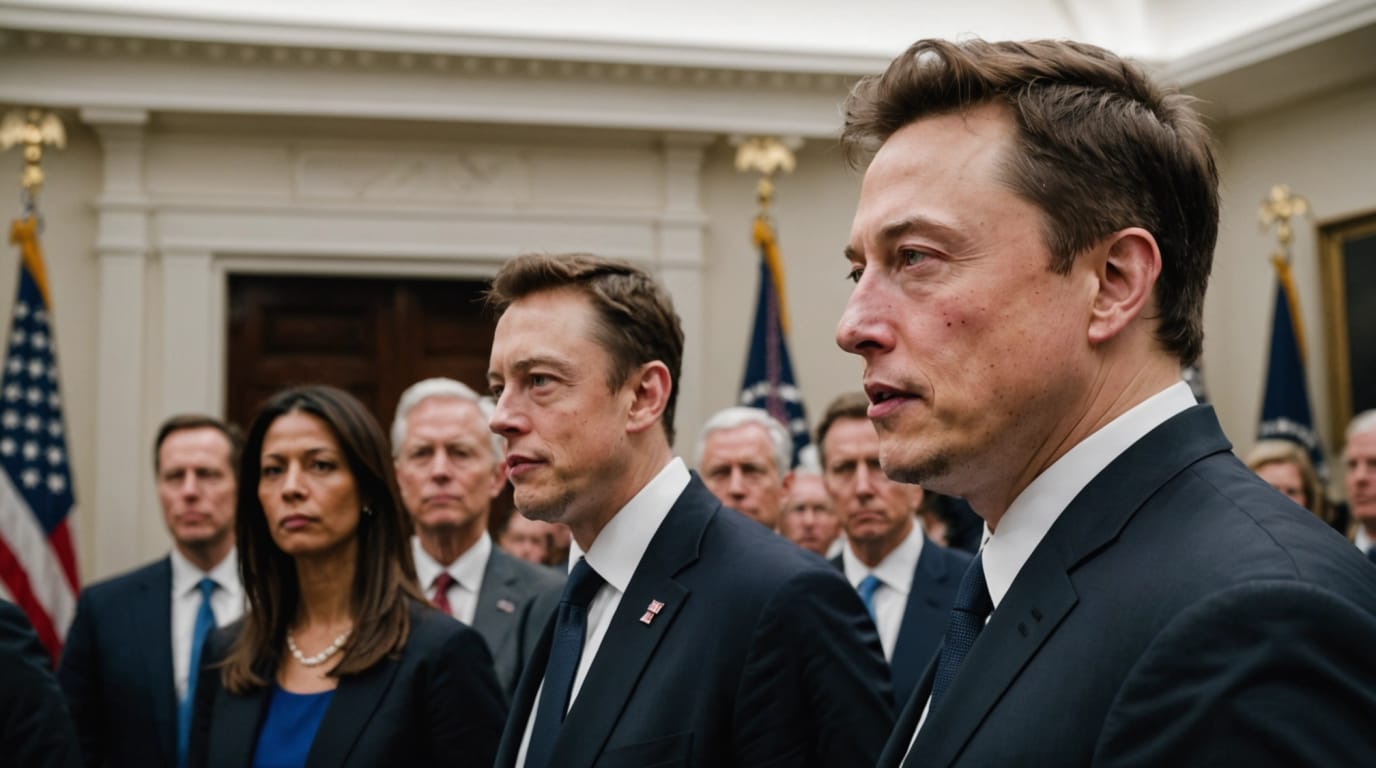
Reports have surfaced suggesting Elon Musk's tenure within the Trump administration is nearing its end, but the White House is offering a contrasting perspective, signaling a more flexible timeline for his continued service. Musk, who is currently spearheading the Department of Government Efficiency (DOGE), is operating under a "special government employee" status, which permits a maximum of 130 days of service per year.
Musk's Timeline vs. White House Flexibility
Musk recently indicated that he anticipates DOGE will have "accomplished most of the work required to reduce the deficit by" his target of $1 trillion by the end of May, coinciding with the expiration of his special government employee status. However, the White House appears to be taking a less definitive stance. Sources within the administration suggest that the expiration of Musk's status isn't necessarily a firm deadline, with many officials not focused on that specific date.
President Trump addressed the situation, acknowledging Musk's demanding responsibilities at Tesla, X, and SpaceX. "Musk is 'amazing, but I also think he's got a big company to run and so at some point he's going to be going back,'" Trump said, adding, "He wants to. I'd keep him as long as I could keep him.'" The president remained ambiguous about the future of DOGE after Musk's departure, suggesting that cabinet secretaries would eventually be equipped to continue the work.
DOGE's Mandate and Potential Dissolution
DOGE was initially conceived as a temporary entity, tasked with identifying and implementing cost-cutting measures across various government agencies. While the original plan envisioned DOGE operating until July 4, 2026, recent developments suggest a potential acceleration of its closure. There have been reports of DOGE employees being reassigned to other federal agencies, signaling a shift in responsibility for cost-cutting initiatives.
Trump stated that he anticipates being "pretty much satisfied" with the personnel dedicated to the administration's goals within the next few months, hinting at broader government-wide layoffs to achieve the objectives set forth by Musk and DOGE.
Internal Conflicts and External Challenges
Musk's tenure hasn't been without its challenges. In early March, a heated argument reportedly occurred between Musk and Secretary of State Marco Rubio during a White House meeting. Sources indicate the conflict stemmed from long-standing disagreements related to the termination of USAID, with Rubio taking a firm stance during his time as Secretary of State, leading to strained relations with Musk.
Furthermore, Musk faced a setback in Wisconsin, where his preferred candidate for a state Supreme Court seat was defeated despite significant financial contributions and campaign appearances. Tesla, one of Musk's primary companies, also experienced a 13% drop in sales during the first quarter of the year.
Legal Scrutiny and Initial Opposition
DOGE faced immediate legal challenges upon its inception. Shortly after President Trump's inauguration, a public interest law group filed a lawsuit alleging that DOGE was in violation of the Federal Advisory Committee Act. The lawsuit argued that DOGE should be subject to requirements such as balanced membership, public meetings, and detailed record-keeping, none of which the panel appeared to be adhering to. The plaintiffs also contended that Trump and others had "inappropriately influenced" the committee.
Uncertainty Surrounds Future
As Musk's potential departure looms, the future of DOGE and its initiatives remains uncertain. While President Trump has suggested that cabinet secretaries will be able to carry on the work, it is unclear whether the same level of focus and resources will be dedicated to government efficiency efforts. The administration's mixed signals regarding the timeline further contribute to the ambiguity surrounding the situation.
The coming weeks will likely provide greater clarity on Musk's role, the fate of DOGE, and the long-term implications for government efficiency initiatives under the Trump administration. Whether Musk returns to his private sector ventures or continues to play a role in shaping government policy remains to be seen.