Women's Basketball World Cup: Can Germany Harness a Boom?
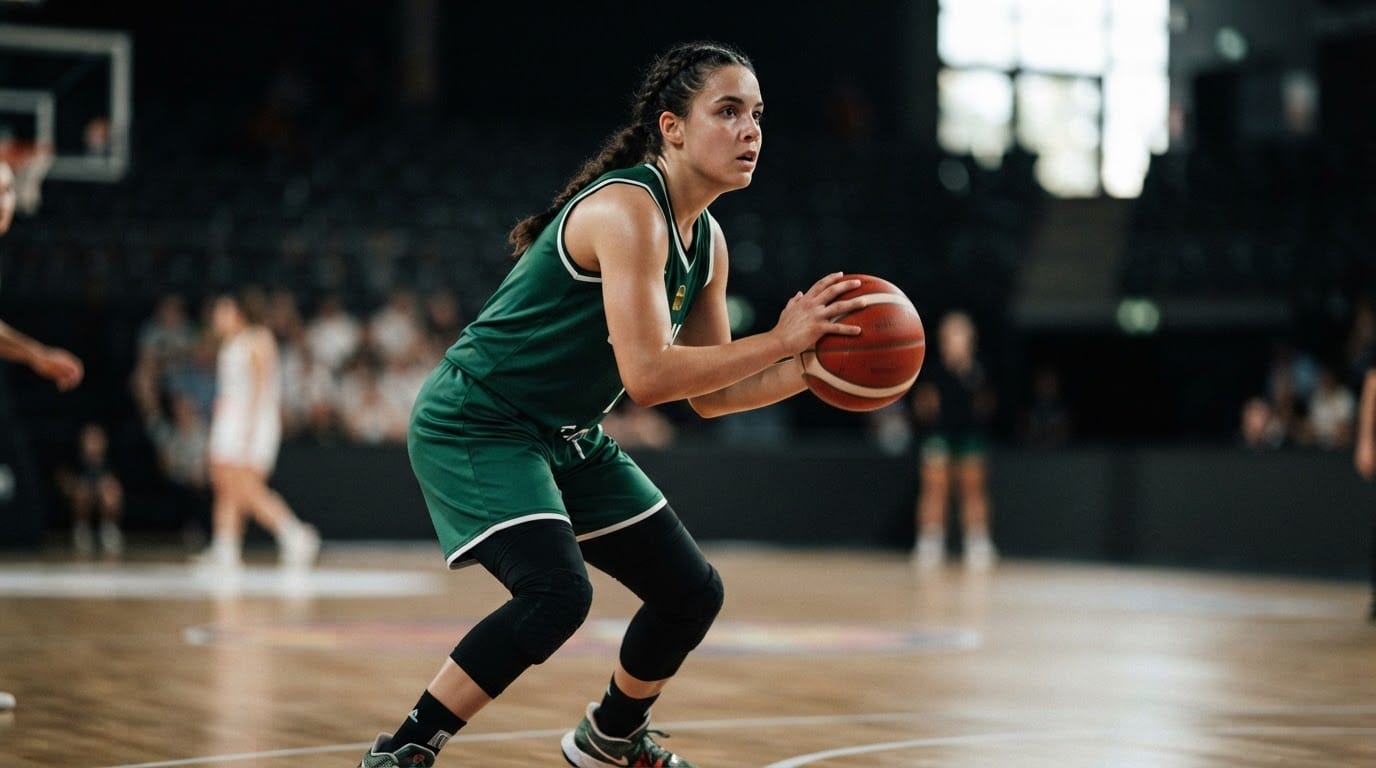
BERLIN — Inside the packed Berlin Arena, the roar of more than 10,000 spectators signaled a historic breakthrough for German basketball. Throughout the FIBA Women's Basketball World Cup, sellout crowds watched the host nation execute an improbable run to the medal rounds, securing a best-ever fourth-place finish. The tournament delivered record-shattering television ratings, unprecedented ticket sales, and intense public enthusiasm.
Now that the final buzzer has sounded and the international spotlight has moved on, German sports officials confront a far tougher challenge. The nation must prove it can convert a brief wave of public euphoria into long-term infrastructure, sustained domestic attendance, and institutional investment for women's athletics.
Record Numbers and Historic Milestones
The 2026 tournament set new benchmarks across global women's sports. More than 234,000 spectators attended games split between the Berlin Arena and the Max-Schmeling-Halle, comfortably beating the prior tournament record set in Sydney four years earlier. For host Germany, the event produced an average per-game attendance above 6,500, setting a new modern standard for the competition.
Domestic viewership mirrored the packed arenas. Germany's semifinal and third-place games each drew more than 1 million live television viewers on commercial free-to-air broadcaster ProSieben, while streaming partner Magenta recorded hundreds of thousands of additional viewers across tournament weekends.
On the court, the national team delivered results that exceeded expectations. Ranked 11th in the world entering the tournament, Germany advanced through pool play and eliminated top-tier opponents before falling to traditional powerhouses France and Spain in the final rounds. The run capped an extraordinary stretch for German basketball, coming shortly after the men's senior team won the 2023 World Cup and the women's 3x3 squad captured Olympic gold in Paris.
The Structural Reality of Domestic Leagues
Despite the national team's success, German women's basketball faces a stark divide between international showcase tournaments and week-to-week domestic play. The German Women's Basketball League, known as the DBBL, operates in a vastly different economic ecosystem. Regular-season club games frequently take place in small municipal gymnasiums, drawing average crowds in the hundreds rather than the thousands.
Budgetary constraints remain severe across the domestic circuit. While top clubs in France, Spain, and Turkey offer fully professional salaries and continental competition in the EuroLeague Women, many DBBL clubs operate on semiprofessional structures. Several top German players choose to play abroad or compete in North America's WNBA to secure competitive compensation and superior training facilities.
Federation data shows an upward trend in grassroots participation, with the German Basketball Federation (DBB) registering over 288,000 members, reflecting a year-on-year increase of more than five percent. Yet grassroots clubs frequently struggle with a lack of gym capacity, limited coaching staff, and restricted hall time, which is heavily contested among competing sports such as handball, volleyball, and local youth football.
Competition in a Crowded Sports Landscape
Germany has long maintained a crowded, highly competitive domestic sports market. Football dominates media coverage, commercial sponsorships, and spectator habits. Behind soccer, established indoor sports such as men's handball and ice hockey maintain deep regional fan bases, secure lucrative domestic broadcast agreements, and fill multi-thousand-seat arenas on a weekly basis.
For women's basketball to claim a permanent share of public attention, league organizers must persuade both commercial sponsors and municipal authorities to allocate resources beyond one-off international tournaments.
Previous major tournaments hosted on German soil illustrate the difficulty of sustaining a boom. Following the 2011 FIFA Women's World Cup, Germany experienced a brief spike in youth registration, but domestic league attendance lagged behind expectations for nearly a decade before regaining upward momentum. Analysts note that major events provide vital visibility, but without permanent marketing campaigns and regular television coverage, casual spectator interest can quickly fade.
Developing the Next Generation
The foundation for German basketball's recent rise rests heavily on a productive youth pipeline. Over the past decade, German youth national teams across the under-16, under-18, and under-20 divisions have maintained consistent spots in Europe's top competitive tiers.
Retaining domestic talent within Germany's borders remains a critical strategic priority. When domestic clubs cannot provide full-time athletic careers, promising prospects often migrate early to the NCAA college basketball system in the United States or to wealthier European leagues.
Club directors emphasize that translating tournament excitement into institutional stability requires broader school partnerships and localized youth outreach. Several regional federations have begun expanding primary school programs to introduce the sport to girls before they commit to soccer or handball. The objective is not simply to produce future national team standouts, but to cultivate a knowledgeable, engaged fan base that buys tickets, purchases club merchandise, and follows regional teams.
The Path Forward
The Women's Basketball World Cup proved that an audience for the sport exists in Germany when the competition is visible, accessible, and high-stakes. Broadcast ratings demonstrated that major television networks can attract general sports fans to women's basketball outside of traditional Olympic broadcasts.
Securing a permanent transformation, however, requires systemic changes across the domestic landscape. League administrators are currently in discussions regarding upgraded minimum standards for arena facilities, enhanced digital broadcast packages, and professionalization requirements for clubs competing in the top division.
Whether the 2026 World Cup represents a fleeting high-water mark or the opening chapter of a sustainable sporting era will depend on actions taken in the coming years. The interest, talent, and public goodwill have arrived; building the foundation to support them remains the defining task ahead.